Why Winter Mulching Is The Only Thing Standing Between You And A Dead Garden
I’m tired of seeing people throw money away every spring. You spend hundreds on perennials. You plant them. You water them. Then winter hits, and you just walk away? That’s crazy. Inflation is making groceries like strawberries and lettuce cost more than a small car. If you can’t protect your own plants, you’re basically burning cash in your backyard.
Whether you’re in a tiny NYC apartment with containers or a massive Texas ranch, your plants are shivering right now. They need a blanket. I’m not talking about a literal blanket, I’m talking about Winter Mulching. If you don’t do it right, the frost will heave your plants right out of the dirt like a bad tooth. I’ve seen it happen. It’s ugly. And it’s expensive to fix. At FitForYard, we help you do the math so you don’t overspend on materials you don’t need.
When should you start winter mulching? You should apply winter mulch only after the first hard frost has occurred and the ground is cold. In most US states, this is usually between late November and mid-December. Applying it too early can trap heat and prevent plants from entering dormancy, which leads to rot or new growth that dies in the freeze.
Stop Treating Mulch Like A Decoration
Mulch isn’t just for curb appeal. I know the “pro” landscapers love that dyed red stuff because it looks “clean.” It’s garbage. Real winter mulching is about insulation. Think of it like the pink stuff in your attic. It keeps the ground at a steady temperature. It’s not about keeping the ground warm—it’s about keeping it cold.
When the ground freezes and thaws over and over, it moves. That’s called frost heave. It snaps roots. It kills crowns. A thick layer of mulch stops that. It keeps the soil temperature stable so the roots can sleep in peace. If you’re tired of seeing your garden die every February, this is the step you can’t skip.
The Material War: Straw vs. Wood vs. Leaves
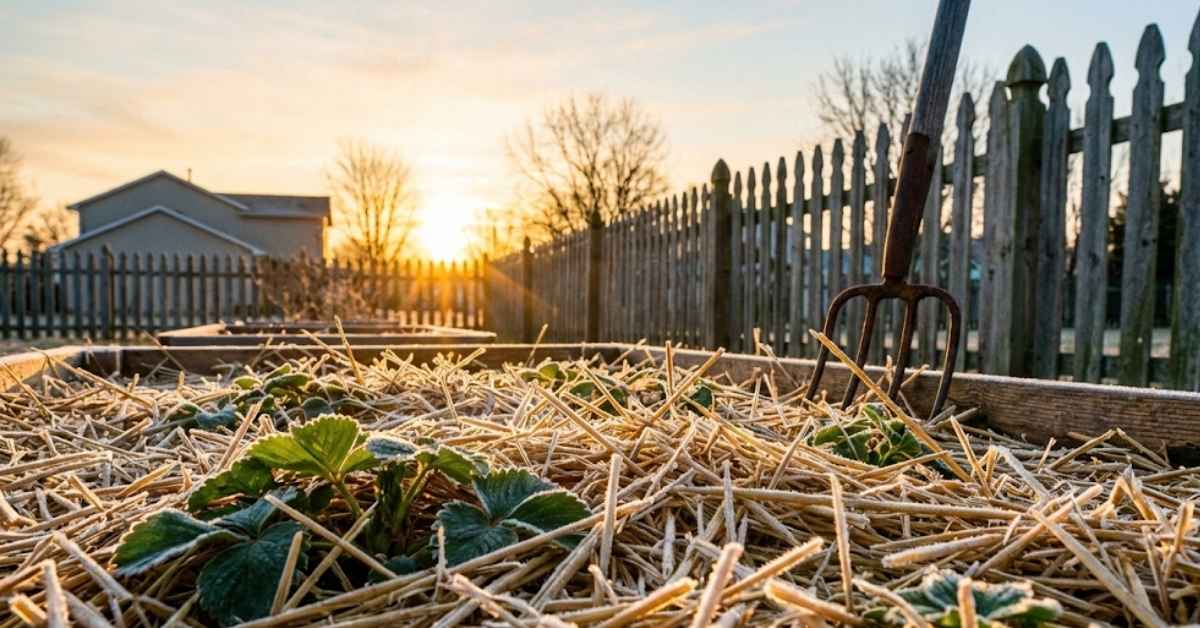
Not all mulch is built the same. If you use the wrong stuff, you’re just inviting rodents to live under your roses. Straw is great for vegetable beds. I love straw mulch for winter protection because it’s cheap and easy to move in the spring. Just make sure it’s weed-free straw, not hay. If you buy hay, you’re just planting a million weeds for April.
Wood chips are fine for paths, but they can be heavy for delicate perennials. I prefer shredded leaves. They’re free. You have them in your yard right now. Stop bagging them for the city to take away! Shred them with your mower and dump them on your beds. It’s the best frost protection mulch you can get, and it doesn’t cost a dime.
Don’t Guess The Yardage (Use The Tools)
This is where people lose their minds. They go to the store and buy forty bags. Then they realize they covered half the yard. Or they order a truckload and it blocks their driveway for a month. Stop guessing. I hate guessing.
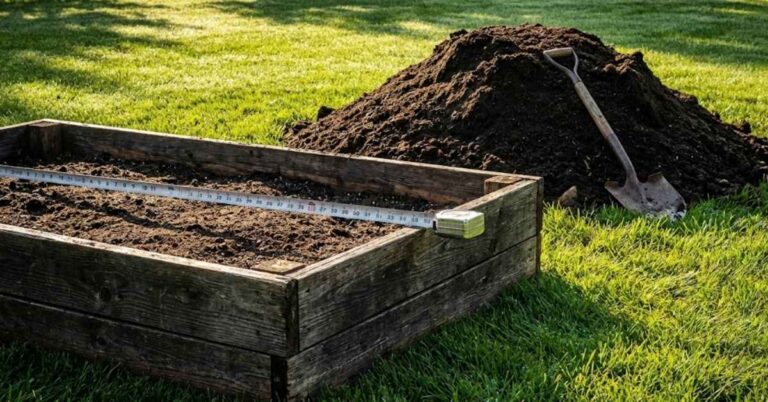
Before you leave the house, use a yard mulch tool. Measure your beds. Know your depth. For winter, you want it thick—at least three to four inches. If you go thinner, the frost will get through. If you go thicker, you might suffocate the roots when things start to melt.
The NYC To Texas Climate Reality Check
If you’re in New York, you’re worried about heavy snow and deep freezes. You need heavy protection. If you’re in Texas or Florida, you might only get a few hard freezes. You still need mulch! The swings in temperature in the South are actually harder on plants than the steady cold in the North.
A plant in Austin might think it’s spring in January because it hits 70 degrees. Then it drops to 20 the next night. That plant is going to be confused and likely dead. Mulch acts as a buffer. It tells the plant to stay asleep even when the sun feels warm for a day. Mulching is one of the best ways to conserve soil moisture during these dry winter months.
Protecting Your Food Supply
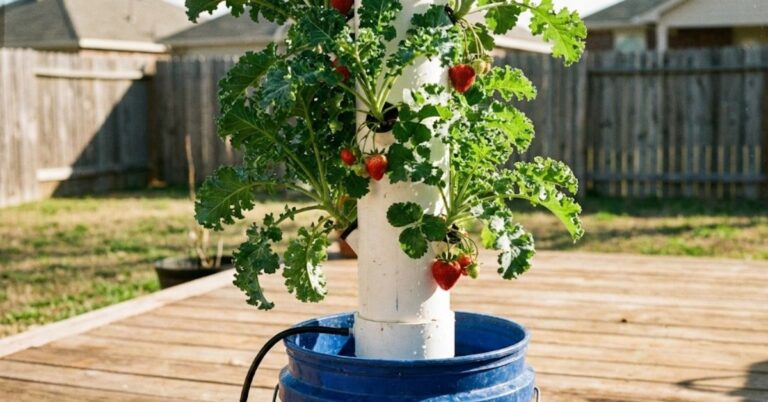
I’ve talked a lot about flowers, but what about your food? Growing your own food is the only way to beat the grocery store prices. If you have strawberries, you better be mulching them. Our hydroponic tower for strawberries guide talks about vertical growing, but if they’re in the ground, they need straw.
Garlic is another one. You plant it in the fall, and it needs to sit under a blanket of mulch all winter. If you don’t, the cloves might freeze and turn to mush. I’ve lost a whole crop of garlic because I got lazy and didn’t mulch. I won’t make that mistake again.
Dealing With Winter Pests
Here is the downside. Mulch is a warm hotel for mice and voles. If you pile it right up against the trunk of a tree, they will chew the bark and kill the tree. We call this the “mulch volcano.” It’s the hallmark of a lazy gardener.
Leave a small gap around the trunks of your trees and shrubs. You want the protection on the roots, not the wood. If you see tunnels in your mulch, you might need to set some traps or use some repellent. But don’t let the fear of mice stop you from mulching. The frost is a much bigger killer than a tiny mouse.
When Is It Too Late To Mulch?
People ask me this in January. “Caleb, I forgot to mulch, is it too late?” Look, late is better than never. If the ground is already frozen, you can still add a layer. It will help prevent the ground from thawing during a mid-winter warm spell.
But don’t wait. Check the latest garden news for weather alerts. If a “Polar Vortex” is coming, get out there and dump some straw. Your future self will thank you when you’re not digging up dead plants in April.
The Science Of Soil Temperature
NLP experts and scientists agree that soil moisture is key. Dry soil freezes faster and deeper than moist soil. Mulch traps the moisture in. It sounds backward, but wet dirt stays “warmer” than bone-dry dirt.
This is why I always tell people to water their gardens deeply before the first big freeze. Water them, then mulch them. It’s like giving your plants a warm cup of cocoa before they go to bed. This moisture is vital for evergreens that still lose water through their needles in the winter.
Tools Of The Trade
You don’t need much. A good pitchfork for straw or a flat shovel for wood chips. And for the love of everything, wear good gloves. Winter wind makes your skin crack, and handling mulch will just make it worse.
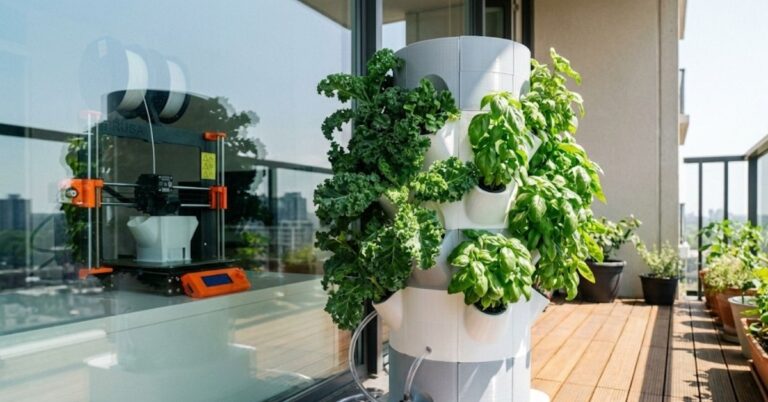
I also use a simple wheelbarrow. Don’t try to carry bags. Your back isn’t as young as it used to be. Do it the smart way. If you’re into tech, you can even look into our 3D printed hydroponic tower guide to see how we’re changing the game without using any dirt at all. But for the traditionalists, a shovel and a wheelbarrow are your best friends.
Why I’m So Opinionated About This
I’ve seen too many people quit gardening. They try one year, everything dies in the winter, and they give up. They go back to buying tasteless tomatoes at the store. That breaks my heart.
Gardening is a skill. It’s a fight against nature. And in the winter, nature is trying to win. Mulching is your shield. It’s the easiest way to ensure that your hard work from last year doesn’t go to waste.
Quick Answers (Because I Know You’ll Ask)
1. Do you mulch before or after first frost? Always after. You want the plants to know winter is coming so they stop growing.
2. How thick should winter mulch be? Three to four inches is the sweet spot for insulation.
3. Can you mulch in January? Yes, it’s better than leaving the ground bare during a thaw.
4. What is the best material for winter mulch? Shredded leaves or clean straw are my top picks.
5. Does mulch attract termites? Some wood mulches can, but keep it a few inches away from your home’s foundation.
6. Can I use pine needles? Yes, they are great for acid-loving plants like blueberries.
7. Should I mulch my lawn? No, mulch is for beds. For lawns, just leave the chopped-up leaves.
8. Do I remove mulch in the spring? Yes, pull it back a bit when the ground warms up so new shoots can get through.
9. Can I use grass clippings? Only if they are dry and haven’t been treated with chemicals.
10. Is dyed mulch safe? It’s usually safe, but it doesn’t break down as well as natural stuff.
11. Does mulch prevent all weeds? No, but it makes them much easier to pull.
12. Can I mulch over snow? You can, but it’s better to do it on the bare ground.
13. Does mulch smell? Fresh wood mulch has a nice smell, but rotting hay can be stinky.
14. Should I mulch potted plants? Yes, or move them to a garage or shed.
15. Can I use cardboard under mulch? Yes, it’s a great way to kill weeds for next year.
16. What is “frost heave”? It’s when the soil moves and pushes plants out of the ground.
17. Do evergreens need mulch? Yes, they lose moisture all winter and need the root protection.
18. Can I use rocks as mulch? Rocks don’t insulate well. They stay cold and can actually hurt roots.
19. Is mulch expensive? Bulk is cheap; bagged is pricey. Check our Mulch Calculator to save.
20. Does mulch grow mold? Sometimes, but it’s usually harmless “artillery fungus.”
21. Can I mulch my vegetable garden? Absolutely, straw is perfect for this.
22. How do I mulch strawberries? Cover the whole plant with 4 inches of straw after the ground freezes.
23. Should I mulch roses? Yes, pile it high around the base to protect the graft union.
24. Can I use sawdust? No, it packs too tight and blocks air and water.
25. Is cocoa mulch safe for dogs? No, it contains the same chemicals as chocolate and is toxic.
26. How often should I replace mulch? Top it off every year as the old stuff breaks down.
27. Does mulch change soil pH? Some wood mulches can make soil slightly more acidic over many years.
28. Can I use cedar mulch? Yes, it lasts longer and smells great.
29. Should I mulch a new tree? Yes, it’s the most important thing for its survival.
30. Can I mulch over bulbs? Yes, it helps keep them from sprouting too early.
31. Does mulch help with erosion? Yes, it stops the rain from washing away your topsoil.
32. Can I use newspaper? Yes, under the mulch as a weed barrier.
33. What is “mulch burn”? It happens when fresh mulch heats up and damages plant stems.
34. Is it too late to mulch in December? No, it’s actually the perfect time for most of the US.
35. Can I use wood shavings? Yes, if they are from untreated wood.
36. Should I mulch hydrangeas? Yes, especially the ones that bloom on “old wood.”
37. Does mulch help in a drought? Yes, it’s the best way to keep water in the soil.
38. Can I use pine bark? Yes, nuggets are good for long-lasting coverage.
39. Should I mulch my herb garden? Yes, especially lavender and rosemary.
40. Can I use compost as mulch? Yes, it’s like a snack and a blanket for your plants.
41. What is “sheet mulching”? It’s layering cardboard and mulch to build new soil.
42. Does mulch stop slugs? Some mulches, like cedar, might discourage them a little.
43. Can I use rubber mulch? Please don’t. It’s bad for the soil and can get too hot.
44. Should I mulch fruit trees? Yes, but keep it away from the trunk.
45. Can I mulch my strawberry tower? Check our hydroponic tower for strawberries guide for tower tips.
46. Is fall mulch the same as winter mulch? Fall mulch is for weeds; winter mulch is for insulation.
47. Can I use corn stalks? Yes, if they are chopped up.
48. Should I mulch butterfly bushes? Yes, they need the root protection in cold zones.
49. Can I use nut shells? Yes, they make a very long-lasting mulch.
50. Does mulch help carrots? Yes, check out can you grow carrots hydroponic tower for more info.
The Bottom Line
Winter isn’t the end of gardening. It’s just a different phase. If you take the time to put your garden to bed properly, you’ll be ahead of everyone else when the first warm day hits in March.
Don’t let the price of mulch or the weight of the bags stop you. Use the tools. Plan your yard. And for heaven’s sake, stop guessing. If you want to see how we’re using 3D printed hydroponic tower guide to grow all year without the winter mess, come check us out.
Stay warm, keep your plants covered, and I’ll see you in the spring.