Winter Mulching 101: Why Your Garden Beds Need Protection Now
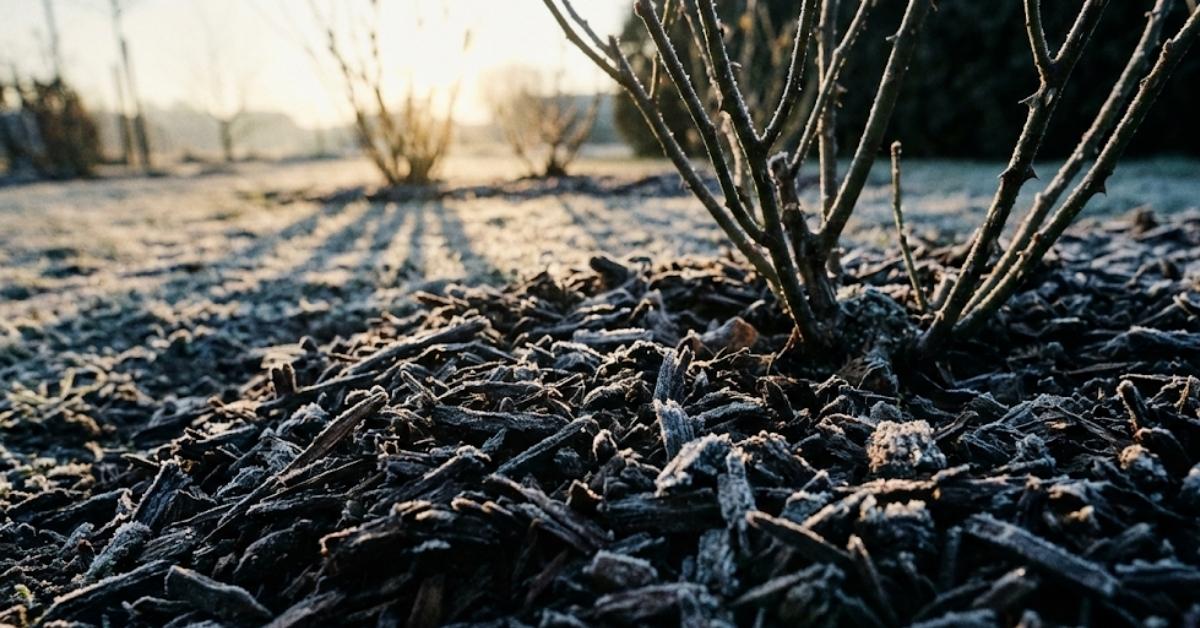
I was talking to a guy down at the hardware store the other day who was bragging about “tucking his garden in for a long winter’s nap” back in October. I nearly dropped my coffee. Look, I get why this is confusing. Most people were taught that you mulch in the fall to keep the ground warm. That is a flat-out myth. If you mulch while the ground is still toasty, all you’re doing is inviting a family of field mice to build a luxury condo in your flower beds.
The ground needs to get cold first. I’ve seen more plants killed by “early bird” gardeners than by the actual frost. At fitforyard.com, we aren’t about pretty-boy gardening; we’re about keeping your plants alive without wasting your weekend or your paycheck. If you’re sitting on your porch in late December or January wondering if you missed the boat on winter mulching, stay put. You’re actually right on time.
When should I apply winter mulch?
Apply winter mulch only after the ground has frozen solid, typically in late December or January across most of the US. Applying it too early traps heat and prevents dormancy. The goal is to keep the soil at a consistent, frozen temperature to prevent damaging freeze-thaw cycles.
The real enemy: Frost heave
Most people think winter kills plants because of the cold. That’s rarely the case if you bought the right plants for your zone. The real killer is “frost heave.” When the sun comes out in mid-January and thaws the top inch of dirt, and then it freezes again at night, the soil expands and contracts. This motion literally rachets your perennials out of the ground, exposing those tender roots to the biting wind.
I’ve walked out to my garden after a weirdly warm week and seen my expensive perennials sitting on top of the dirt like they were trying to make a break for it. It’s heart-breaking and entirely preventable. You use mulch as an insulator because it keeps the ground at a steady temperature. It’s not a blanket to keep the plants warm; it’s more like a thermos to keep the soil frozen.
Picking your armor: The best mulch for cold weather
Don’t let the “landscaping experts” talk you into buying dyed, bagged mulch that smells like a chemical factory. You want something that breathes. If you use a heavy, wet mulch that mats down, you’re just going to grow a thick layer of mold by March.
I’m a fan of using what you have. Pine needles (pine straw), chopped leaves, or clean straw are your best bets. They’re light, they insulate well, and they don’t cost a fortune. If you’re dealing with a particularly windy yard in somewhere like Iowa or Kansas, you might need something heavier like wood chips so your mulch doesn’t end up in the next county.
Mulch Type Comparison for Winter Protection
| Mulch Material | Best For | Pros | Cons |
| Pine Straw | Acid-loving plants | Doesn’t mat down; stays put. | Can be hard to find in the North. |
| Shredded Bark | Woody shrubs | Looks clean; heavy enough for wind. | Can form a crust if too thick. |
| Clean Straw | Vegetable beds | Cheap; excellent insulation. | Watch out for weed seeds. |
| Chopped Leaves | General perennials | Free; adds nutrients as it breaks down. | Must be shredded or they blow away. |
| Pine Boughs | Over-wintering roses | Great air flow; easy to remove. | Only available after the holidays. |
How thick should winter mulch be?
I see people piling mulch up like they’re building a volcano around their trees. Stop doing that. “Mulch volcanoes” trap moisture against the bark and rot the tree from the outside in. For most perennials and shrubs, you want a solid 2 to 4 inches of coverage.
Because we want to protect the roots, you need to spread the mulch out to the “drip line”—the area directly under the outer edge of the plant’s branches. This ensures the entire root zone stays at that consistent temperature we talked about.
Recommended Mulch Depths by Plant Category
| Plant Type | Recommended Depth | Best Time to Apply |
| Perennials (Hostas, Peonies) | 2 – 3 inches | After 2-3 nights of hard frost. |
| Young Shrubs | 3 – 4 inches | Late December. |
| Established Trees | 2 inches | Any time ground is frozen. |
| New Bulbs (Tulips/Lilies) | 3 inches | Right after planting or first frost. |
Should I remove old mulch before adding winter mulch?
You don’t need to do a full “deep clean” of your garden in the middle of winter. That’s just making work for the sake of working. If your existing mulch is just thin, go ahead and layer the new stuff right on top. However, if your old mulch has turned into a hard, crusty mat, break it up with a rake first. Because if water can’t get through the mulch to the roots, your plants are going to die of thirst before the spring thaw even arrives.
If you’re worried about the health of your soil or dealing with issues like lawn moss under your trees, check out our recent guides on soil prep. Keeping your ground healthy is a year-round job, but it shouldn’t be a difficult one.
Quick Answers (Because I Know You’ll Ask)
When should I apply winter mulch? Wait until the ground is frozen. Usually, this means after a couple of weeks of consistent freezing temperatures. If you do it too early, you’re just giving rodents a warm place to sleep.
Is it too late to mulch in winter? Nope. As long as the ground is frozen and the plants are dormant, you can mulch. It’s better to do it in January than to leave the plants exposed to the brutal February winds.
Do I need to mulch over perennials in winter? Yes, especially if they were planted this year. New plants haven’t established the deep root systems needed to fight off frost heave.
What is the best mulch for winter protection? Pine straw or shredded bark are the winners here. They provide a good balance of insulation and air flow.
Should I remove old mulch before adding winter mulch? Only if it’s matted or moldy. Otherwise, just top it off to reach that 3-inch sweet spot.
How thick should winter mulch be? Stick to 2-4 inches. Anything more is a waste of money; anything less doesn’t provide enough insulation.
A final word on winter yard work
I know it’s cold out. I’d rather be inside too. But spending twenty minutes today putting down a few bags of mulch is going to save you hours of digging up dead plants and spending hundreds of dollars at the nursery in May.
Take a look at our other backyard updates to see how you can use simple household items—like that 60ml dish soap trick for moss—to keep your yard in shape. Gardening shouldn’t be about buying the most expensive gear; it’s about knowing how nature works and staying one step ahead of the weather.
Get out there, get it done, and then get back inside for that coffee. You’ve earned it.
Also Read:
- The 60ml Washing Up Liquid Secret: Kill Lawn Moss in 24 Hours
- Tired of Your Yard Dying? Why 2026 is the Year of ‘Climate-Resilient’ Backyards (and How to Fix Yours)
- Gardeners Urged to Pour Dish Soap on Lawns This January: Here’s Why
- The Ultimate Backyard Guide: 137+ Ideas, Designs & Solutions for Your Perfect Outdoor Space (2026)
- Stop Wasting Cash on Your Ugly Yard: 50+ Backyard Ideas That Actually Work
- The Ultimate Global Guide to Moss Removal: How to Get Rid of Moss on Lawns Permanently
- Why Winter Mulching Is The Only Thing Standing Between You And A Dead Garden
- The “No-Guess” Guide To Soil Calculation: Stop Wasting Cash At The Garden Center
- 89 Facts About Squirrels: Stop Letting These Furry Bandits Rob Your Yard
- Stop Getting Robbed at the Grocery Store: The Best Plants for Hydroponic Tower Success