Why Your Neighbors Are Wrong About Epsom Salt (And Why You Need It This January)
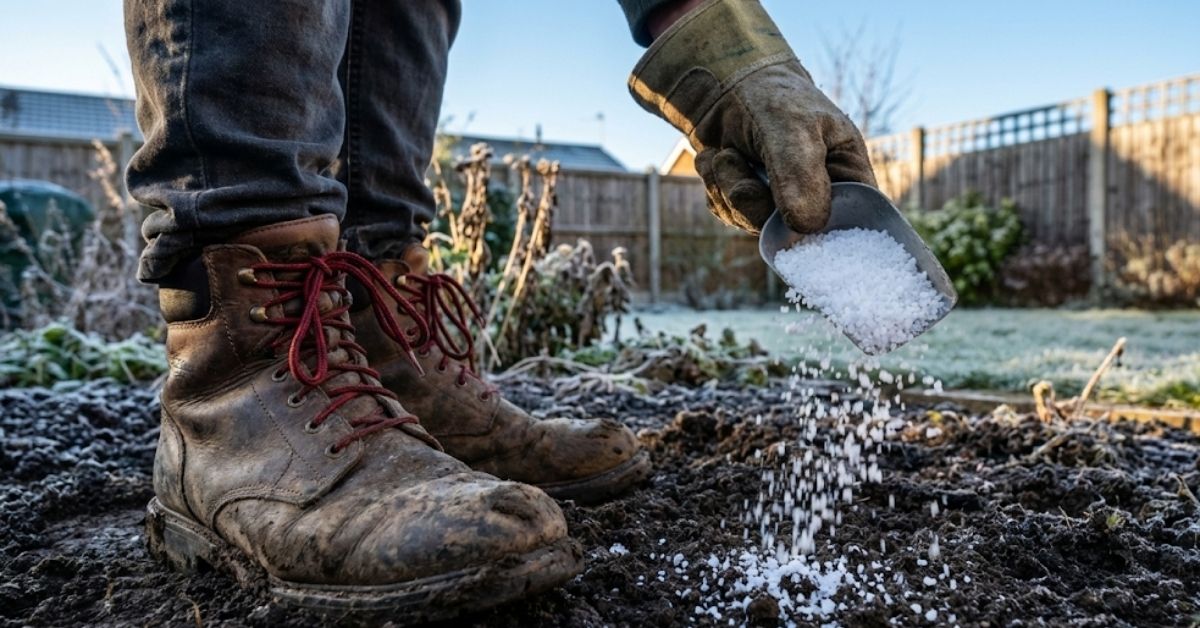
It is January, 2026. My boots are currently caked in that cold, greasy mud that only comes from a thawing backyard, and I’ve already seen three “sponsored posts” telling me to buy $80 bags of “pre-spring miracle dirt.” Give me a break.
Most of the stuff people buy in the fancy garden centers is just overpriced filler in a shiny bag. If you want to actually help your yard without going broke, you need to head to the local pharmacy, not the boutique garden shop. We are talking about magnesium sulfate—plain old Epsom salt.
Using epsom salt for garden health isn’t some “woo-woo” magic trick. It is basic chemistry. If you add it now, while the ground is dormant and the rain is steady, you are setting the stage for a massive harvest later. I’m tired of seeing people wait until their tomatoes are yellow and dying to fix a problem they could have prevented during the winter.
The Short Answer: Why Epsom Salt in January?
Adding Epsom salt to your soil in January provides a vital soil minerals boost of magnesium and sulfur. These minerals improve seed germination and chlorophyll production. Applying it now allows the salt to dissolve and incorporate into the soil structure before the spring growing season begins.
The Magnesium Math Most People Skip
I get why this is confusing. Most people were taught that plants only need N-P-K (Nitrogen, Phosphorus, and Potassium). But plants are like people; if you only eat bread, you’re going to get sick.
Magnesium is the “heart” of the chlorophyll molecule. Without enough of it, a plant cannot turn sunlight into food. It’s that simple. Sulfur is the other half of the coin. It helps the plant build enzymes and proteins. If your soil is depleted after a heavy 2025 growing season, your 2026 garden is already starting at a disadvantage.
Why January is the Smartest Time to Act
You might think applying something to frozen or dormant soil is a waste of time. You’re wrong. Most garden amendments take weeks or months to actually “become” part of the soil.
If you wait until you’re planting in April or May, the roots are already trying to grow. By putting the salt down now, you let the winter rains carry those minerals down into the root zone. Because the soil is resting, you aren’t shocking any young, tender plants. You are essentially prepping the pantry before the guests arrive.
Is Your Soil Actually Hungry?
Don’t just go dumping bags of salt everywhere because I said so. I’m grumpy about bad advice, and “guessing” is the worst advice of all. If your soil is already high in magnesium (which is common in some clay-heavy parts of the US), adding more can actually block calcium uptake.
Get a soil test. It costs less than a pizza and tells you exactly what’s missing. According to Clemson University’s Cooperative Extension, Epsom salt is most effective in soils that are specifically magnesium-deficient. If your test shows a gap, then it’s time to act.
How to Apply it Without Making a Mess
You don’t need a degree in agriculture for this. You just need a bucket and a bit of common sense.
- The Scatter Method: For every 100 square feet of garden bed, sprinkle about one cup of Epsom salt. Don’t worry about digging it in. The winter moisture will do the work for you.
- The Targeted Soak: If you have permanent shrubs or fruit trees, dissolve a tablespoon per gallon of water and pour it around the drip line.
| Application Method | Rate | Best For |
| Broadcasting | 1 cup per 100 sq. ft. | Large vegetable beds or future lawn areas |
| Targeted Drench | 1 tbsp per 1 gallon | Established roses, fruit trees, or shrubs |
| Potting Mix Prep | 1 tsp per 5 gallons of soil | Getting containers ready for spring |
Which Plants Are the Big Winners?
Not every plant needs this soil minerals boost. Some are gluttons for magnesium, while others couldn’t care less.
- Tomatoes and Peppers: These are the biggest magnesium hogs in the garden. They need it to prevent “blossom end rot” (though that’s mostly a calcium issue, magnesium helps the overall uptake).
- Roses: If you want larger flowers and greener leaves, roses love a winter hit of Epsom salt.
- Lawn: If you’re tired of the lawn moss and want deep green grass, a light application now helps the roots.
Before you start treating your whole yard, check your dimensions. It’s easy to over-apply if you don’t know how much ground you’re covering. Use our soil calculator to get your square footage right before you start mixing.
The “Too Much of a Good Thing” Rule
I’ve seen folks think that if one cup is good, ten cups must be better. That’s how you kill a garden. Overloading your soil with magnesium can lead to “salt crusting” on the surface, which prevents water from soaking in. It’s about balance, not saturation.
You should also keep it away from your concrete. If you just finished a patio project, keep the salt on the soil. While Epsom salt is gentler than road salt, you don’t want to risk any unnecessary pitting or staining on fresh concrete.
Understanding the Cost Difference
I did the math so you don’t have to. Buying “specialty” garden minerals can cost you $4 to $5 per pound. A bulk bag of Epsom salt at a big-box pharmacy or grocery store usually runs about $0.80 to $1.20 per pound.
| Product Type | Cost per Lb (Avg) | Effective Ingredient |
| Boutique Soil Booster | $4.50 | Magnesium + Fillers |
| Generic Epsom Salt | $0.95 | Pure Magnesium Sulfate |
Stop paying for the label. The plants don’t care if the bag has a picture of a sun-drenched farm on it. They only care about the $MgSO_4$ molecule.
Quick Answers (Because I Know You’ll Ask)
Does Epsom salt really help soil?
Yes, but only if your soil is lacking magnesium or sulfur. It helps with chlorophyll production and allows plants to take up other nutrients like nitrogen and phosphorus more efficiently. It is a supplement, not a complete fertilizer.
Can you put Epsom salt on soil in the winter?
Absolutely. January is a great time because it gives the minerals time to dissolve and reach the root zone before spring growth begins. It won’t wash away as easily as nitrogen fertilizers do.
Which plants benefit most from Epsom salt?
Tomatoes, peppers, and roses are the most common beneficiaries. They use a lot of magnesium during their flowering and fruiting stages. Some citrus trees and lawns also show significant improvement in color after an application.
How much Epsom salt per gallon of water?
For a standard drench, use one tablespoon per gallon of water. If you are doing a foliar spray (spraying the leaves) during the summer, use a weaker solution of about one teaspoon per gallon.
Does Epsom salt kill weeds or bugs?
No. This is a common internet myth. Epsom salt is a fertilizer, not a pesticide or herbicide. In fact, if you put it on weeds, you might just end up with the healthiest, greenest weeds in the neighborhood.
Is Epsom salt safe for all garden soil?
Generally, yes, but you shouldn’t use it blindly. If you have very salty soil (common in coastal areas) or soil already high in magnesium, adding more can cause nutrient imbalances. Always test your soil first.
How often should I apply Epsom salt?
For most home gardens, once or twice a year is plenty. A winter application in January and a mid-season “pick-me-up” in June is the standard routine for heavy feeders like tomatoes.
Final Thoughts on Winter Prep
I know it’s cold. I know it’s easier to sit inside and look at seed catalogs. But a little work now—literally just walking around and tossing a few cups of salt—makes the spring much less stressful.
Gardening isn’t about expensive products; it’s about paying attention. If you want to see what else is happening in the industry this year, check out our News category. I’ve been tracking some 2026 gardening trends that might actually be useful for once.
Go get a bag of salt. Your future tomatoes will thank you.

Also Read:
- Stop Waiting: The Ultimate February Dormant Pruning Checklist for Fruit Trees
- Stop Guessing: How Much Mulch Do You Actually Need? Use Our 2026 Tool
- Why Gardeners are Raving About This ‘Vinegar Hack’ for Patio Weeds
- Stop the Squeeze: The Best Winter Mulch Types to Prevent Frost Heave in Zone 7
- Stop Dreaming and Start Digging: How to Prep Your Backyard for a 2026 Vegetable Harvest
- Stop Killing Your Plants: The Honest Truth About Yard Gardening Tips That Actually Work
- Your Clear Driveway Is Killing Your Garden: The Ugly Truth About Road Salt
- Forget Feeders: Why Hummingbirds Are Absolutely Obsessed With “Turks Cap”
- Cedar Mulch: Benefits, Uses, and Complete Guide for Your Garden
- The Great Debate: Should You Tip Your Gutter Cleaner?