Why Gardeners are Raving About This ‘Vinegar Hack’ for Patio Weeds
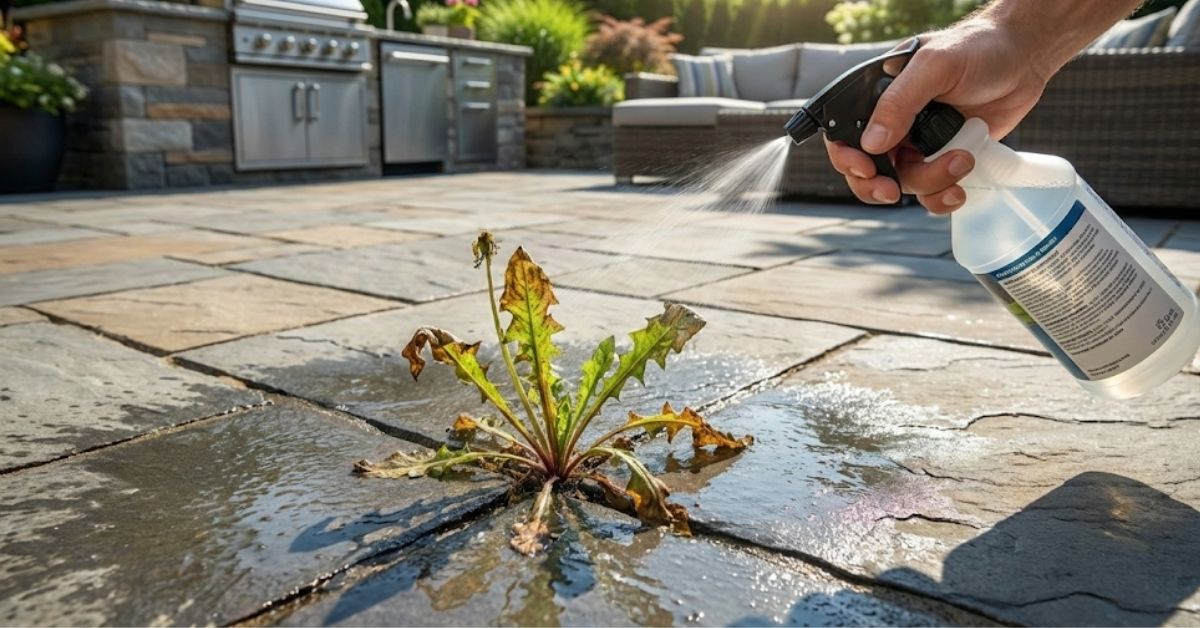
I spent my Saturday morning watching my neighbor spray a gallon of blue-colored chemicals onto his driveway cracks. He was wearing a mask, gloves, and looked like he was prepping for a lab accident. It smelled like a factory, and frankly, it’s a waste of time. Every year, we get sold these expensive jugs of “miracle” poison when the solution is sitting right next to your salad dressing in the pantry.
If you’re tired of seeing those stubborn green sprouts ruin your nice stone pavers, you’ve likely heard about the vinegar hack for patio weeds. People are going nuts for it because it’s cheap, it doesn’t require a hazmat suit, and it actually works—if you do it right. But let’s be honest: most of what you read online is half-baked advice. If you just pour a bottle of salad vinegar on a dandelion and expect it to vanish forever, you’re going to be disappointed.
Does vinegar actually kill weeds permanently?
Vinegar is a contact herbicide that kills the visible green parts of a weed by dehydrating them. While it effectively burns off the foliage on patios and driveways, it does not usually kill the roots of perennial weeds. You may need repeat applications for deep-rooted plants to starve the root system.
The Science of the “Sting”
I get why this is confusing. Most people were taught that if a weed killer isn’t made in a giant vat by a corporation, it isn’t “real.” That’s nonsense. Vinegar contains acetic acid. When that acid hits a plant leaf, it dissolves the protective waxy coating. Without that coating, the sun’s heat sucks every drop of moisture out of the weed until it turns into a crispy brown shell.
But here’s the kicker: your standard 5% white vinegar from the grocery store is fine for wimpy little sprouts, but for the tough stuff, you need more “oomph.”
Selecting the Right Vinegar
You’ve got two choices. You can use the stuff from the kitchen, or you can buy “Horticultural Vinegar.” The kitchen stuff is 5% acetic acid. The horticultural version can be 20% to 30%. That’s high enough to give you a nasty burn if you aren’t careful, so treat it with respect.
I’ve found that for most driveway cracks and patio joints, the 5% stuff works if you add a few secret ingredients to help it stick. Because vinegar is watery, it tends to slide off the leaves before it can do its job.
The “Triple Threat” Recipe
To make a DIY vinegar weed killer recipe that actually packs a punch, you need three things: vinegar, salt, and dish soap.
- Vinegar: The acid that burns the leaf.
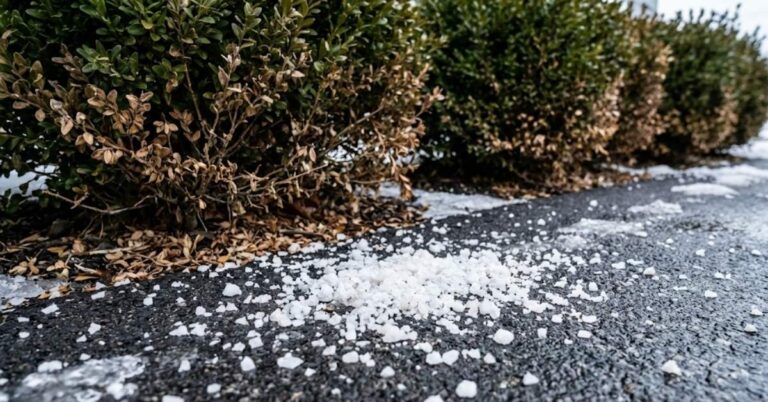
- Salt: The secondary dehydrator that makes the soil uninhabitable for new seeds.
- Dish Soap: The “surfactant” that breaks the surface tension so the mix sticks to the weed like glue.
| Ingredient | Purpose | Household Version | Pro Version |
| Acid | Burns the foliage | 5% White Vinegar | 20% Horticultural Vinegar |
| Salt | Dehydrates roots/soil | Table Salt | Epsom Salt |
| Soap | Helps liquid stick | Liquid Dish Soap | Agricultural Spreader |
Safety and Paver Protection
Before you go spraying like a madman, listen up. Salt is a “scorched earth” tactic. If you use salt in your garden beds, nothing will grow there for a long time. It’s perfect for the gaps between your pavers or the gravel in your driveway because you don’t want anything growing there.
However, be careful with certain stones. According to official guidance from various Agricultural Extension offices, high concentrations of acid can etch sensitive stones like limestone or marble over time. If you’ve got high-end natural stone, test a tiny spot first.
If you’re worried about the volume of mix you need to cover a large patio, or if you’re planning to replace some soil in the nearby beds after a weed massacre, check out our soil calculator to get your measurements right.
How to Apply the Hack Like a Pro
Don’t just dump a bucket. You’ll waste half of it. Use a dedicated garden sprayer.
- Wait for the Heat: Apply this on a sunny day when the temperature is at least 70°F. The sun acts as a catalyst for the acid.
- Soak the Crown: Aim for the center of the weed where the leaves meet the root.
- Repeat if Necessary: Big weeds have a lot of energy stored. You might kill the top, but they might try to push back. Hit them again in three days.
If you’re also dealing with moss issues on your lawn (a completely different beast), you might want to look into how gardeners are using washing up liquid for that. It’s a similar logic—using what you have to save a buck.
Rapid Q&A (Because I Know You’ll Ask)
What is the best vinegar to salt ratio for killing weeds?
For a standard gallon of vinegar, add 1 cup of table salt and 1 tablespoon of liquid dish soap. Stir it until the salt is completely dissolved, or it will clog your sprayer.
Will vinegar damage my patio pavers?
On standard concrete pavers, it’s usually fine. However, vinegar is an acid, so it can etch natural stones like limestone, travertine, or marble. Always do a test patch in a hidden corner first.
How long does it take for vinegar to kill weeds?
On a hot, sunny day, you’ll see the weeds start to wilt and turn brown within 2 to 4 hours. By 24 hours, they should be completely dead and ready to be swept away.
Is vinegar safer than commercial weed killers?
It is “safer” in terms of long-term environmental runoff and personal toxicity, but 20% horticultural vinegar can still burn your skin and eyes. Wear goggles and don’t breathe in the mist.
Can I use regular white vinegar for weeds?
Yes, but it works best on young, annual weeds. For established perennials with deep taproots (like big thistles), you’ll likely need the stronger horticultural grade or multiple hits.
Will vinegar kill the grass too?
Yes. Vinegar is non-selective. It doesn’t know the difference between a dandelion and your prized Kentucky Bluegrass. Keep it strictly to the patio and driveway.
Does vinegar work on moss?
It can, but moss is better handled with simple soaps or specialized products. Vinegar can sometimes make the soil too acidic for the surrounding lawn, which ironically helps moss grow back later.
Can I store the leftover mix?
You can, but the salt may settle at the bottom. Give it a good shake before you use it again. Label the bottle clearly so nobody tries to use it on their fish and chips.
Clean Pavers, Happy Life
I’m a big fan of honesty. This vinegar hack for patio weeds isn’t magic. It requires you to get off the porch and spray. But it saves you from supporting the massive chemical industry, and it keeps your yard a bit more “real.”
If your patio is looking great but your lawn is still a mess of moss and patches, check out our News category for more blunt advice. We’re always looking for ways to help you fix your yard without needing a second mortgage.
For those of you planning bigger backyard projects—maybe a new concrete path or a pool—don’t guess on the materials. Use our concrete calculator or pool volume calculator to stay ahead of the game.
Now, stop reading and go find that bottle of vinegar. Those driveway cracks aren’t going to clean themselves.
Visit our News category for more no-nonsense garden hacks.


Also Read:
- Backyard Benefits: Creating the Ideal Space for Children’s Physical Activity and Outdoor Play
- Do squirrels hibernate?
- The Hydroponic Tower Bible: Build, Buy, and Grow Your Way to Food Freedom
- I’m Begging You: Stop Killing Your Poinsettias on the Porch (The One Rule)
- Marble Table and Dining Chairs: Complete Buying, Styling, and Care Guide
- The Shocking Truth About When to Fertilize Your Lawn
- Drought-Resistant Plants for a Low-Maintenance Garden Yard
- How to Grow and Care for Majesty Palm Tree Indoors
- The Ultimate Global Guide to Moss Removal: How to Get Rid of Moss on Lawns Permanently