Tired of Craters? How to Fix Dog Holes in Your Yard and Stop the Habit for Good
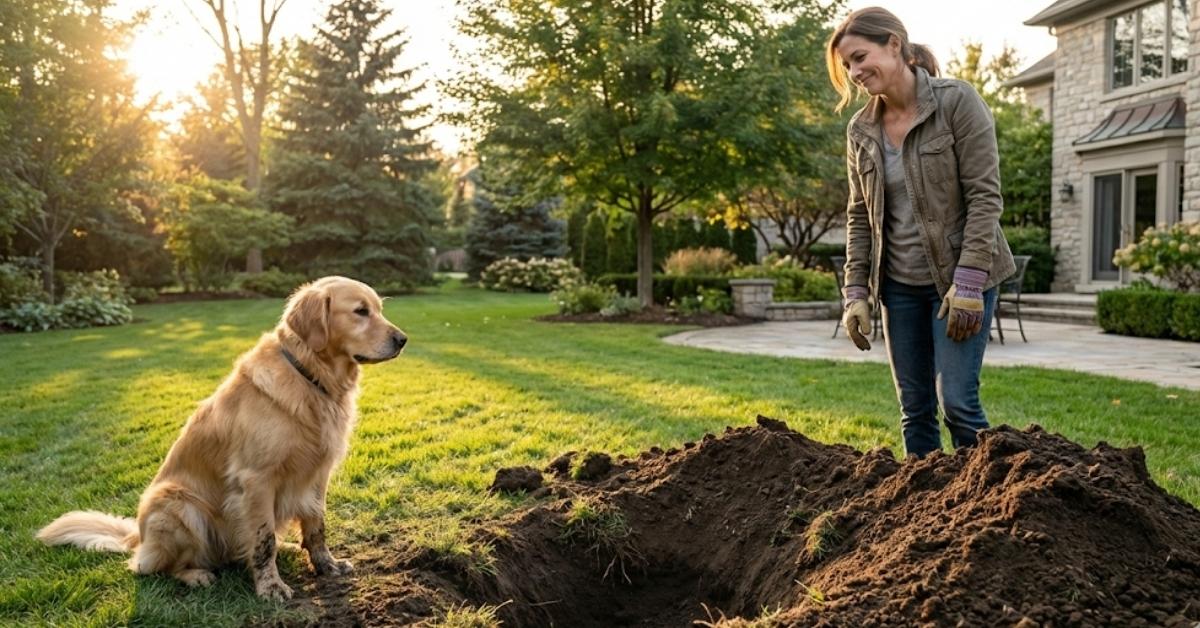
I love dogs, but I hate craters. There is nothing more frustrating than waking up on a Saturday morning, looking out at your yard, and seeing it look like a testing ground for heavy artillery. Most “experts” will tell you to just buy a bag of dirt and move on. They’re wrong. If you don’t fix the habit while you fix the hole, you’re just providing your dog with fresh, soft soil to fling across your porch tomorrow. Let’s talk about how to fix dog holes in your yard so they actually stay fixed.
What is the best way to fix dog holes in a yard?
The best way to fix dog holes is to fill them with a 50/50 mix of topsoil and compost, tamping it down firmly to prevent settling. To stop the dog from re-digging, place their own waste (the “poop trap”) or flat rocks inside the hole before the final layer of soil and grass seed.
Step 1: The “Why” is More Important Than the “How”
Before you grab a shovel, look at where the hole is. If it’s along the fence, your dog is an escape artist. If it’s in the shade, they’re hot. If it’s near a tree root, you probably have moles. Fixing the hole without addressing the reason is a waste of your time. I get why this is confusing—we want a quick fix—but a dog with a mission will always win against a human with a bag of topsoil.
If your dog is digging out of boredom, no amount of cayenne pepper will stop them forever. They need a job, a walk, or a dedicated “dig pit.” I’ve seen people spend $500 on “no-dig” sprays when a $10 bag of play sand in a designated corner would have solved the problem in ten minutes.
What dirt should I use to fill dog holes?
Stop buying cheap “potting soil” for your yard. It’s too light, it’s full of peat moss, and it will wash away the first time it rains. You need screened topsoil. It’s dense, it stays put, and it provides the mineral base your grass needs to grow back.
If the hole is deep (more than 6 inches), don’t just dump a bag in and walk away. You have to fill it in 3-inch layers, tamping it down with your boot or a tamper after each layer. If you don’t, the soil will settle, and you’ll have a “dip” in your lawn that’ll trip you up when you’re mowing. According to University Extension guidelines, proper soil compaction is the only way to ensure a level surface long-term.
| The Problem | The Deterrent | Why it Works |
|---|---|---|
| Habitual Digging | The “Poop Trap” | Dogs hate digging in their own waste. Effective but gross. |
| Fence Escaping | Chicken Wire (Bury 12″) | Creates a physical barrier they can’t claw through. |
| Root Hunting (Moles) | Large Flat Rocks | Stops them from reaching the “prey” under the soil. |
| Boredom Digging | Cayenne Pepper / Vinegar | Irritates their nose (safe but annoying). |
Choosing a “Dog-Proof” Grass Seed
Not all grass is created equal. If you have a high-traffic dog, Kentucky Bluegrass is a nightmare—it takes too long to recover. You want Tall Fescue or Perennial Ryegrass. These varieties are tough, deep-rooted, and can handle the nitrogen in dog urine much better than the fancy stuff.
In 2026, many homeowners are switching to “Microclover” mixes. Clover is naturally resistant to dog urine and it “self-repairs” by spreading into bare spots. If you’re tired of seeing yellow patches and holes, a fescue-clover blend is your best friend. It isn’t just a trend; it’s common sense for anyone who actually lives with a pet.
The “Poop Trap” and Other Grumpy Tricks
I know it sounds nasty, but putting a small amount of your dog’s own waste inside the hole before you finish filling it is the most effective deterrent known to man. Dogs are clean animals (mostly); they don’t want to get that stuff on their paws. Rake the soil over it, tamp it down, and seed it. Nine times out of ten, they’ll sniff that spot once and never dig there again.
If you don’t want to play with poop, use large flat rocks. Place them about two inches below the surface. When the dog hits the rock, they get bored and stop. It’s a physical limit they can’t argue with. While you’re fixing these spots, don’t forget to use our soil calculator to see exactly how many yards you need if your yard looks like a Swiss cheese factory.
Visit our home page for more practical yard hacks. If your dog has moved on from digging to “fertilizing” your lawn with yellow spots, check out our guide on cedar mulch benefits to see how a pet-safe perimeter can help.
Quick Answers (Because I Know You’ll Ask)
What is the cheapest way to fill dog holes?
Get a yard of “fill dirt” from a local quarry. It’s much cheaper than buying 40 bags of topsoil at the store. Just make sure to put a 2-inch layer of good topsoil on top so grass can actually grow.
Will cayenne pepper stop a dog from digging?
Yes, for a while. But once it rains or the wind blows, the effect is gone. It’s a temporary fix for a permanent habit.
Should I punish my dog for digging?
No. Unless you catch them while their paws are moving, they won’t understand why you’re yelling. All you’ll do is make them anxious, which—you guessed it—makes them dig more. Redirect them to a sandpit instead.
Is mulch safe for dog yards?
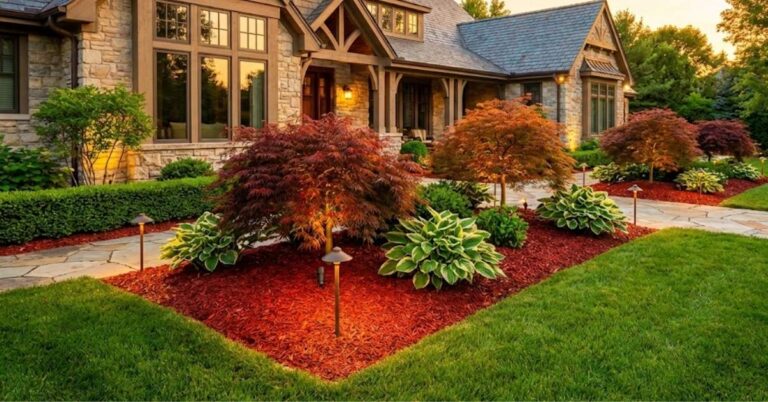
Stick to natural cedar or pine. Avoid cocoa mulch (toxic) and dyed mulches (chemicals). Cedar also has the added benefit of keeping fleas and ticks away from your pup.