Stop Guessing: How Much Mulch Do You Actually Need? Use Our 2026 Tool
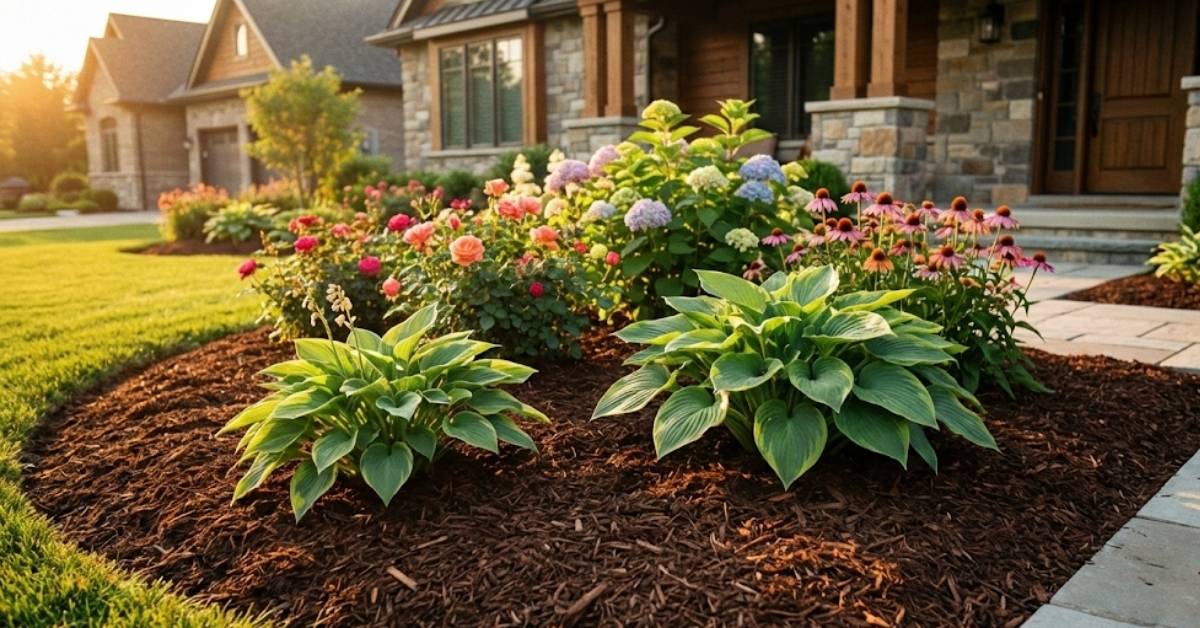
I’ve spent thirty years watching neighbors haul bags of mulch back and forth like they’re trying to win a marathon they didn’t sign up for. They buy six bags, realize it barely covers the mailbox, drive back for ten more, and then end up with three leftover bags rotting behind the shed for two years. It’s a waste of time, gas, and money.
If you want to stop the madness, you need a plan. You need to know exactly how much mulch your yard requires before you ever set foot in a garden center or call the delivery truck.
The Quick Answer for Tired Gardeners
To figure out how much mulch you need, multiply your total square footage by your desired depth in inches, then divide that number by 324. This gives you the total cubic yards. For a standard 3-inch depth, one cubic yard of mulch covers roughly 100 square feet.
Why Your Eyes Are Liars
Most people look at a flower bed and think, “Yeah, five bags should do it.” They’re always wrong. Your eyes don’t account for the uneven soil or the way mulch settles after the first rain.
Measure Twice To Save Your Back
Grab a tape measure. You need the length and width of every bed. If it’s a weird shape, pretend it’s a rectangle. It’s better to have a tiny bit extra than to be three feet short when you’re tired and sweaty.
The Magic Number is Three
For most gardens in the US, three inches is the sweet spot. Two inches is okay for aesthetics, but it won’t stop weeds. Four inches is pushing it and can actually start choking your plants.
Understanding the Cubic Yard
Mulch is sold by the cubic yard if it’s bulk, or by the cubic foot if it’s in bags. There are 27 cubic feet in one cubic yard. If you forget that, you’re going to have a very bad time at the checkout counter.
Using Our 2026 Mulch Tool
We updated our mulch calculator this year to handle everything from tiny pots to massive estate gardens. It takes the guesswork out of the math so you can focus on not throwing out your back.
Why Math Beats Guesswork
I’ve seen people bury their perennials under six inches of wood chips because they “had extra.” That’s a death sentence for a plant. Proper math keeps your plants breathing and your wallet full.
Bulk vs. Bags: The Great Debate
If you have a large area, buy bulk. It’s almost always cheaper. If you’re just touching up a small spot by the front door, bags are fine. But know the price difference before you commit.
The Cost Comparison
| Quantity Needed | Bulk Price (Avg) | Bag Price (Avg – 2cu ft) | Total Savings |
| 1 Cubic Yard | $35 – $45 | $60 – $80 (13.5 bags) | ~$25 |
| 3 Cubic Yards | $105 – $135 | $180 – $240 (40 bags) | ~$75 |
| 5 Cubic Yards | $175 – $225 | $300 – $400 (67 bags) | ~$125 |
Regional Differences Matter
In the South, people love pine straw. In the Midwest, we stick to hardwood. Pine straw settles differently than wood chips, so you might need a deeper layer—usually 4 inches—to get the same weed protection.
Dealing with Circles
Calculating mulch for a circle around a tree? Measure from the trunk to the edge (that’s your radius). Square that number, multiply it by 3.14, then do the depth math. Or just use our tool and save the headache.
The 324 Rule Explained
Why 324? Because 1 cubic yard is 27 cubic feet. A square foot, one inch deep, is 1/12th of a cubic foot. 27 multiplied by 12 is 324. It’s science, even if it feels like a prank.
Stop Making Mulch Volcanoes
I see this every spring. People pile mulch high against tree trunks. This invites rot and insects. Keep the mulch a few inches away from the bark. Your trees aren’t volcanoes; don’t treat them like one.
Don’t Forget the Soil Underneath
Before you dump a single shovelful, check your soil. If it’s hard as a rock, you might need to amend it first. We have a soil calculator for that, too. Use it.
What About Concrete Borders?
If you’re pouring a border before mulching, you’ll need to know those dimensions separately. Check out our concrete calculator to make sure your edging is as precise as your mulch layer.
Coverage by Depth Table
| Depth (Inches) | Sq. Ft. Covered by 1 Yard | Sq. Ft. Covered by 1 Bag (2cf) |
| 1 Inch | 324 | 24 |
| 2 Inches | 162 | 12 |
| 3 Inches | 108 | 8 |
| 4 Inches | 81 | 6 |
Timing Your Mulch Run
The best time to mulch is late spring when the soil has warmed up but the weeds haven’t taken over. Mulching cold, wet soil in early March just traps the cold and slows down your plants.
Calculating for Irregular Shapes
Break your yard into sections. A triangle here, a circle there, a big rectangle in the middle. Add them all up at the end. It’s the only way to be accurate without a degree in geometry.
Weed Barriers: Yes or No?
Most “pro” landscapers hate landscape fabric. It eventually clogs with silt and grows weeds on top anyway. A good 3-inch layer of organic mulch usually does a better job on its own.
The Benefits of Organic Mulch
According to the USDA Natural Resources Conservation Service, organic mulches like wood chips improve soil structure as they decompose. You aren’t just covering the ground; you’re feeding it.
When to Call the Professionals
If you need more than 10 yards, get it delivered. Most half-ton pickups can only safely carry 2 or 3 yards of mulch without stressing the suspension. Don’t ruin your truck over $40 in delivery fees.
My Personal Grudge Against Colored Mulch
Red mulch looks fake. There, I said it. It also stains your driveway and your dog’s paws. Stick to natural brown or black. It looks better and fades more gracefully over the season.
Keeping Your Garden Hydrated
Mulch helps keep water in the ground, but you still have to water. If you have a pool nearby, you know how much water evaporates in the sun. If you’re curious about those numbers, look at our pool volume calculator.
Quick Answers (Because I Know You’ll Ask)
How many bags of mulch do I need for a 10×10 area?
A 10×10 area is 100 square feet. If you want a 3-inch depth, you’ll need about 13 bags (assuming the standard 2 cubic foot size). If you only do 2 inches, you can get away with 9 bags.
Is 4 inches of mulch too much?
Usually, yes. While 4 inches provides great weed suppression, it can prevent oxygen from reaching the soil. It also holds too much moisture against some plants, leading to root rot. Stick to 2 or 3 inches.
How do I calculate mulch for a circle?
Measure from the center to the edge (the radius). Multiply the radius by itself, then multiply by 3.14. That gives you the square footage. Then apply the depth math. Or, again, just use the calculator on fitforyard.com.
What happens if I put too much mulch?
You’ll suffocate your plants. Too much mulch creates a thick mat that sheds water instead of letting it soak in. It also encourages “surface rooting,” where plant roots grow into the mulch instead of the soil.
Should I remove old mulch before adding new?
If the old mulch is still looking okay and hasn’t turned into a solid, crusty mat, you can just top it off. If it’s moldy or several years old and packed down hard, rake it out first.
How much does a yard of mulch cover?
At 3 inches deep, one cubic yard covers about 100 to 110 square feet. If you’re spreading it thin (1 inch), it can cover up to 324 square feet, but that won’t do much for your garden.
How many 2 cu ft bags of mulch are in a yard?
There are 13.5 bags (2 cubic feet each) in one cubic yard. Most stores won’t sell you half a bag, so just buy 14 and keep the extra for when the squirrels dig holes in your flower beds.
Moving Forward with Confidence
Mulching shouldn’t be a weekend-ruining mystery. It’s just math. Once you have your numbers, you can order with confidence, spend less time at the store, and more time actually enjoying your yard.
If you want more updates on the latest gardening trends or tools, check out our News section. I recently wrote about some interesting garden updates for 2026 that might change how you look at your backyard.
Stop guessing. Start measuring. Your back (and your bank account) will thank me later.



Also Read:
- Why Gardeners are Raving About This ‘Vinegar Hack’ for Patio Weeds
- Stop the Squeeze: The Best Winter Mulch Types to Prevent Frost Heave in Zone 7
- Stop Dreaming and Start Digging: How to Prep Your Backyard for a 2026 Vegetable Harvest
- Stop Killing Your Plants: The Honest Truth About Yard Gardening Tips That Actually Work
- Your Clear Driveway Is Killing Your Garden: The Ugly Truth About Road Salt
- Forget Feeders: Why Hummingbirds Are Absolutely Obsessed With “Turks Cap”
- Cedar Mulch: Benefits, Uses, and Complete Guide for Your Garden
- The Great Debate: Should You Tip Your Gutter Cleaner?
- The Definitive Guide to Calculating Yard Materials: Soil, Topsoil, Concrete, and More