Stop Killing Your Plants: The Honest Truth About Yard Gardening Tips That Actually Work
I was walking past my neighbor’s place yesterday. It’s January 1st, 2026, and he’s already out there with a plastic greenhouse he bought on some “as-seen-on-TV” site. He’s got four bags of overpriced “premium” potting soil and a look of pure confusion on his face.
He’s doing what most people do. He’s throwing money at a problem he doesn’t understand yet. Everyone wants the result—the tomatoes that taste like actual food, the rows of green—but they don’t want to deal with the dirt.
If you want the real story on yard gardening tips, you’ve come to the right place. I’m not here to sell you a subscription box or a “smart” watering system that costs more than your first car. I’m here to tell you why your plants are dying and how to fix it without losing your mind or your savings.
What is the best way to start a garden for a beginner?
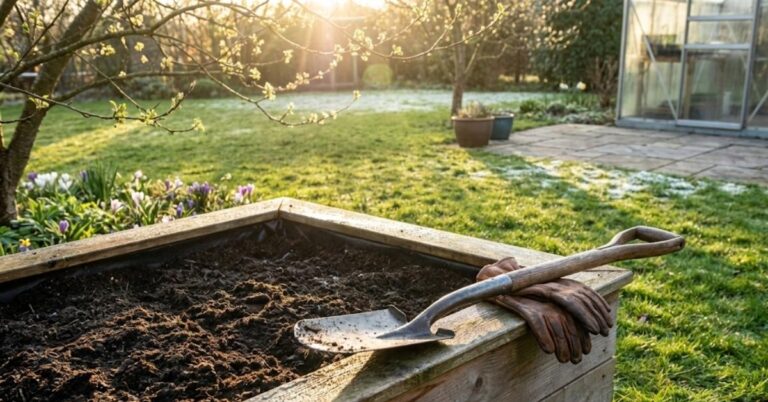
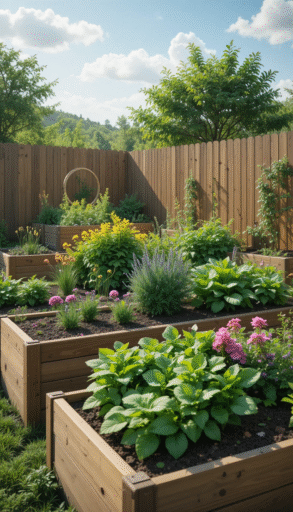
The best way to start is small with a 4×4 raised bed or a few large containers. Focus on high-quality soil and a spot that gets six to eight hours of direct sun. Start with easy crops like lettuce, bush beans, or radishes to build your confidence.
Stop Treating Soil Like Dirt
I get why this is confusing. Most people were taught that soil is just the brown stuff under your feet. It isn’t. Soil is a living system.
If you just dig a hole in your heavy clay yard and drop a plant in, you’ve built a brick-lined bathtub. When it rains, the water won’t drain, and the roots will rot.
Test Your Ground First
Don’t guess what your soil needs. You can buy a cheap pH tester, or better yet, send a sample to your local University Extension office.
A real test tells you if you have too much phosphorus or if your ground is too acidic. Adding lime when you need sulfur is a fast way to kill a hydrangea.
The Organic Matter Myth
People think “organic matter” means expensive store-bought compost. It can, but your kitchen scraps and old leaves do the same thing for free.
Mix these in now, while the ground is dormant. By spring, the worms will have done the heavy lifting for you.
Find the Sun or Give Up
You can’t argue with the sun. Most vegetables need “full sun,” which means six to eight hours of it hitting the leaves directly.
If your yard is shaded by a giant oak or your neighbor’s garage, don’t plant tomatoes. You’ll get a six-foot-tall plant with two tiny, sad fruits.
Check Your Drainage Level
Go outside after a heavy rain. If there’s a puddle that stays for four hours, that’s not your garden spot.
Roots need air. If the soil is packed tight or underwater, the plant suffocates. You can use our soil calculator to figure out how much topsoil you need to build a raised bed to fix this.
Buy Tools, Not Toys
The hardware store is full of gadgets you don’t need. You don’t need a motorized weeder or a “professional” soil moisture meter with a glowing screen.
You need a few things that will last twenty years if you don’t leave them out in the rain.
Essential Tool Comparison
| Tool | What it’s for | Estimated Cost | Do you really need it? |
| D-Handle Shovel | Digging big holes | $30 – $50 | Yes. |
| Hand Trowel | Planting seedlings | $10 – $15 | Yes. |
| Steel Rake | Leveling soil | $25 – $40 | Yes. |
| Hori Hori Knife | Weeding/Cutting | $20 – $35 | No, but it’s the best tool ever. |
| Garden Claw | Turning soil | $40 | No. Use your rake. |
Stop Watering the Leaves
This is one of the most basic yard gardening tips, and people still get it wrong. Disease loves wet leaves in the humid heat.
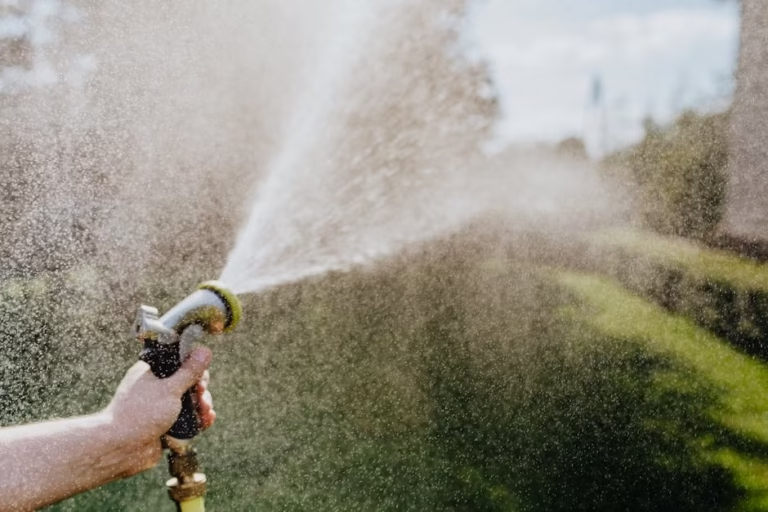
Water the base of the plant. Use a soaker hose or just point the nozzle at the dirt. This saves water and keeps the fungus away.
Mulch is Not Just for Looks
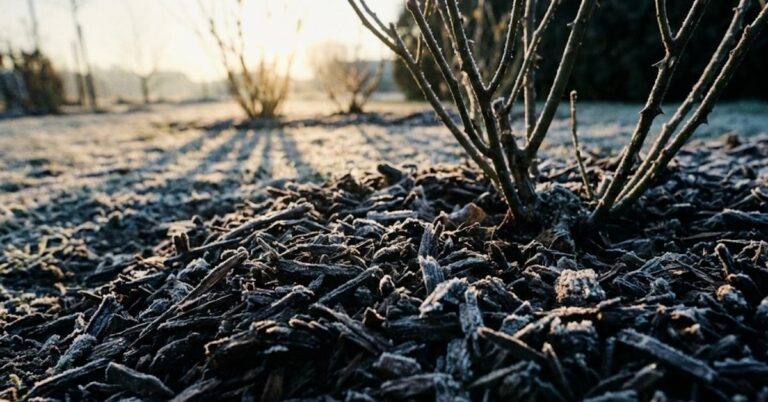
Mulch is the blanket for your soil. It keeps the moisture in so you aren’t watering every five minutes during a July heatwave.
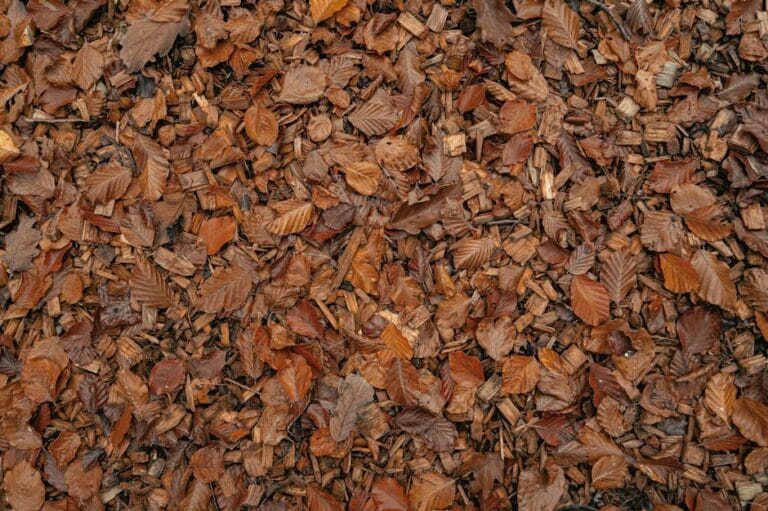
It also keeps the weeds from seeing the light of day. I prefer straw or shredded leaves. Avoid the dyed red wood chips; they look fake and can have chemicals you don’t want near your food.
Space Your Plants Properly
I know it looks empty when you first plant those tiny seedlings. You want to cram them together so it looks like a “vibrant” garden immediately.
Don’t do it. Airflow is your best friend. If plants are crowded, they compete for food and trap moisture, which leads to powdery mildew.
Timing is Everything
If you plant your peppers in March in Ohio, they will die. If you wait until June to plant peas in Georgia, they will wither.
Check your USDA Hardiness Zone. It’s a map that tells you when it’s safe to plant. Follow it like it’s the law.
Start Small or Suffer
I’ve seen it a thousand times. A beginner digs up half their backyard, spends $800, and by July, the weeds are six feet tall and they’ve given up.
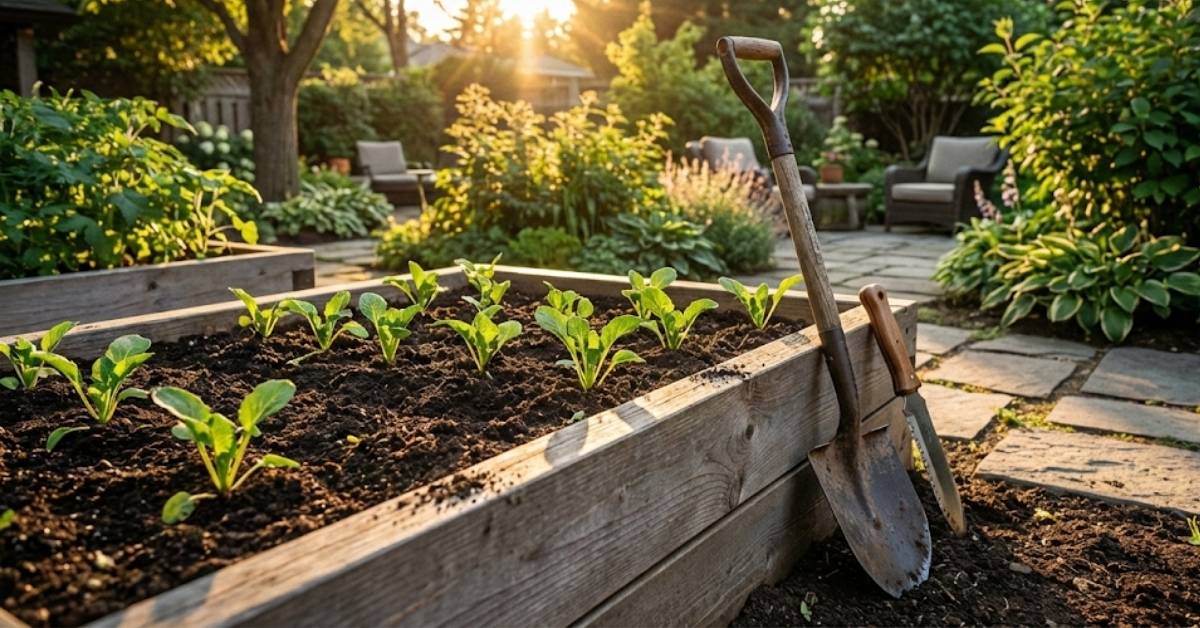
Start with one raised bed. If you can keep that alive and produce a few cucumbers, then expand next year.
The Reality of Weeds
Weeds happen. There is no “permanent” solution except maybe a concrete slab, but that makes for a terrible garden.
Pull them when they’re small. Spend ten minutes a day with a cup of coffee and pull whatever popped up overnight. It’s easier than spending six hours on a Saturday fighting a jungle.
Use the Right Stuff
If you’re building beds, you might need to figure out how much mulch to buy so you don’t end up with a mountain of it on your driveway.
Our mulch calculator is there so you don’t overspend. I hate seeing people waste money on extra bags they’ll never use.
Don’t Panic Over Bugs
Not every bug is an enemy. If you see a ladybug, leave it alone; it’s eating the aphids that are trying to kill your roses.
If you see something eating your leaves, identify it before you spray. Most “all-purpose” bug killers also kill the bees we need for pollination.
Quick Answers (Because I Know You’ll Ask)
How do I prepare my yard for a garden?
Clear the grass first. Don’t just bury it, or it will grow back through your beds. Use cardboard to smother it or a spade to flip it over. Add two inches of compost and mix it into the top six inches of soil.
When is the best time to plant a garden?
For most of the US, spring—after the last frost—is the main window. However, cool-weather crops like spinach should go in weeks before the last frost. Always check your local frost dates.
What are the easiest vegetables to grow at home?
Radishes, lettuce, zucchini, and cherry tomatoes. These are sturdy plants that can handle a few beginner mistakes without dying immediately.
How can I make my garden low maintenance?
Use heavy mulch to stop weeds and install a simple drip irrigation system with a timer. This automates the two biggest chores: weeding and watering.
How much sun does a yard garden need?
Six to eight hours of direct sunlight is the “gold standard” for vegetables. If you have less, stick to leafy greens like kale or Swiss chard.
How do I stop weeds from growing in my garden?
Mulch is your primary defense. After that, planting crops closely (but not too close) so they shade the ground helps prevent weed seeds from germinating.
What tools are essential for yard gardening?
A pointed shovel, a hand trowel, a rake, and a quality garden hose. Everything else is a luxury.
Is it cheaper to grow your own food?
Only if you don’t count your labor and you avoid buying every gadget in the store. It’s mostly about the quality and flavor, not the pennies saved.
Relax and Let it Grow
Gardening isn’t a math test. You’re going to kill some plants. I’ve been doing this for decades, and I still have the occasional disaster when the weather turns sour or a groundhog decides my lettuce is a buffet.
That’s fine. Every dead plant is just a lesson for next year. If you want more no-nonsense advice, head over to the fitforyard.com homepage or check out the latest in our News section.
Just get some dirt under your nails and stop overthinking it. Your backyard doesn’t need to look like a magazine cover; it just needs to grow something you can eat.
Also Read:
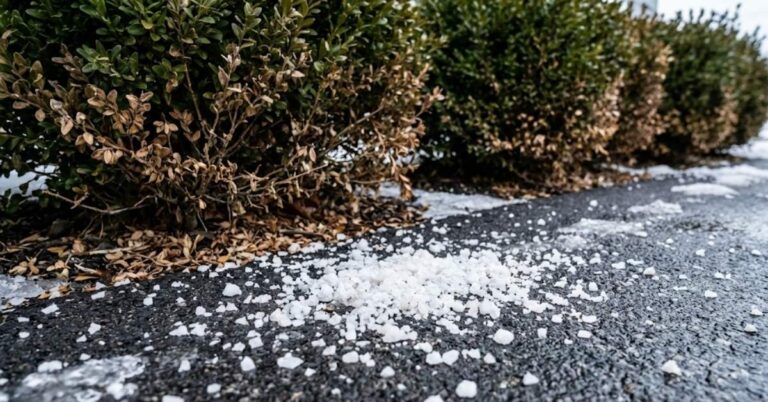
- Your Clear Driveway Is Killing Your Garden: The Ugly Truth About Road Salt
- Forget Feeders: Why Hummingbirds Are Absolutely Obsessed With “Turks Cap”
- Cedar Mulch: Benefits, Uses, and Complete Guide for Your Garden
- The Great Debate: Should You Tip Your Gutter Cleaner?
- The Definitive Guide to Calculating Yard Materials: Soil, Topsoil, Concrete, and More
- Half Round vs K Style Gutters: Which One is Right for Your Home?
- Does Overwatering Your Lawn Cause Brown Patches? [Complete Guide]
- There are many ways to make outdoor spaces spectacular