Tired of Your Yard Dying? Why 2026 is the Year of ‘Climate-Resilient’ Backyards (and How to Fix Yours)
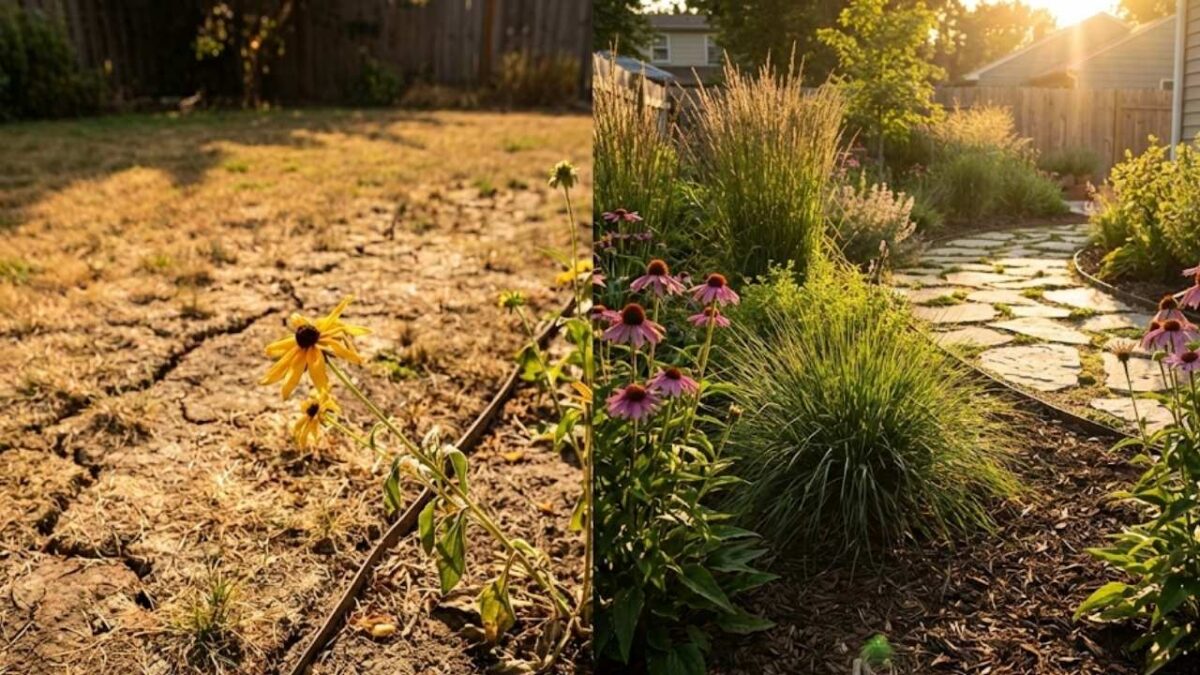
I remember my neighbor, Bob. Two years ago, he spent three months’ salary on a “perfect” Kentucky Bluegrass lawn. It looked like a golf course for exactly six weeks. Then the July heatwave hit, followed by a week of rain that turned his yard into a swamp. By August, Bob had a very expensive patch of brown straw and mud. We’re all tired of this. We’re tired of throwing money at grass that wants to die the second the sun gets too hot or the clouds open up.
This constant battle with the weather is exactly why climate-resilient backyards are the main focus for 2026. People are finally waking up to the fact that fighting nature is a losing game. It’s expensive, it’s exhausting, and frankly, it’s a waste of time. On fitforyard.com, we talk a lot about making your yard work for you, not the other way around.
What is a climate-resilient backyard?
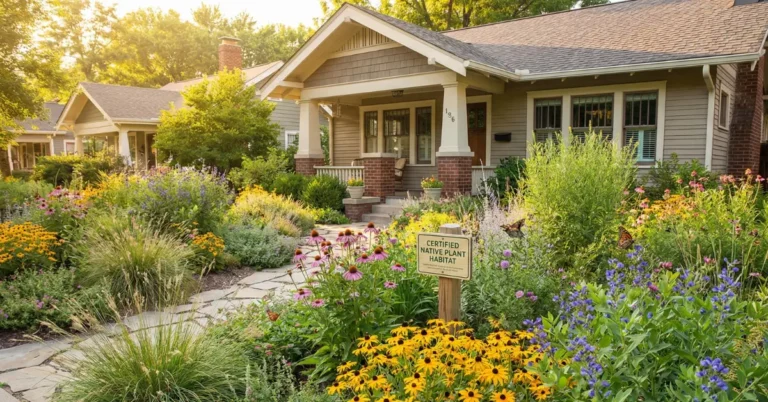
A climate-resilient backyard is a landscape designed to survive and thrive despite extreme weather like droughts, floods, or heatwaves. By using native plants, improving soil drainage, and capturing rainwater, you create a yard that takes care of itself without needing constant expensive repairs or excessive watering.
The death of the “perfect” lawn
For decades, the “American Dream” was a flat, green carpet of grass. Well, that dream is becoming a financial nightmare. Between rising water bills and the cost of fertilizers that just wash away in the next storm, the traditional lawn is failing.
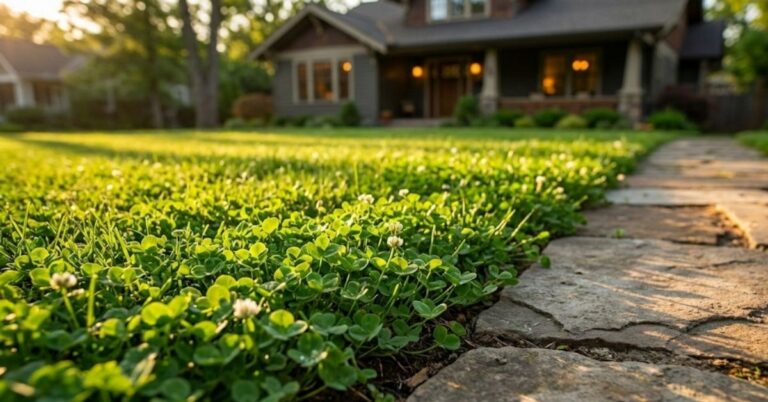
In 2026, the trend is shifting toward “functional zones.” I’m not saying you have to rip up every blade of grass, but you should stop trying to grow it in places it clearly hates. If a patch of your yard dies every single year, stop replanting the same thing. That’s the definition of insanity. Instead, look at low-maintenance climate landscaping options like clover, creeping thyme, or even permeable gravel paths.
Why native plants are the real MVP
I get grumpy when I see people at big-box stores buying exotic plants that belong in a rainforest. They bring them home to a dry climate, and then act surprised when the plant shrivels up.
Native plants are the secret to building a drought-tolerant yard. These plants lived here long before we showed up with our lawnmowers. They know how to handle your local soil and your local weather. According to the USDA Plant Hardiness Zone Map, knowing your specific region is the first step to choosing plants that won’t die on you.
Traditional vs. Native Landscaping: A Brutal Honest Comparison
| Feature | Traditional Turf & Exotic Plants | Climate-Resilient Native Plants |
| Water Needs | High (Needs constant irrigation) | Low (Lives off natural rainfall) |
| Fertilizer | Monthly (Money down the drain) | Rarely (Soil is already right) |
| Survival Rate | Poor during extreme heat/frost | High (Adapted to local weather) |
| Cost over 5 years | $$$$ (Water, chemicals, labor) | $ (Initial setup, then stays put) |
| Wildlife | Basically a desert for bees | Local birds and bees love it |
Managing water: The “Sponge” strategy
Most people have yards that act like a brick. When it rains, the water hits the hard soil, runs off the side, and floods the basement or the street. You’re losing all that free water!
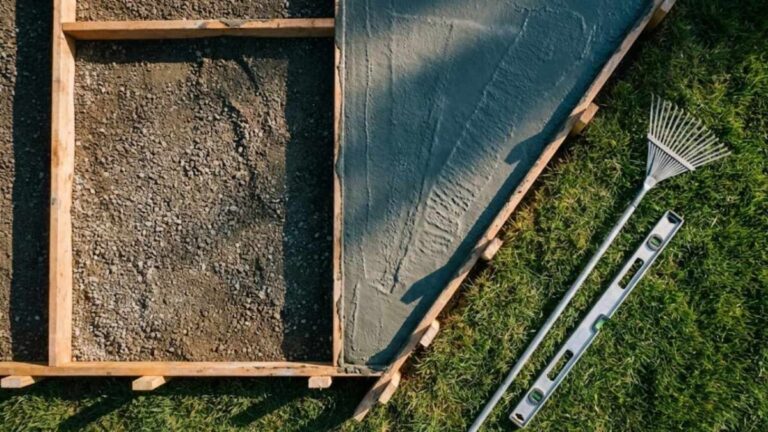
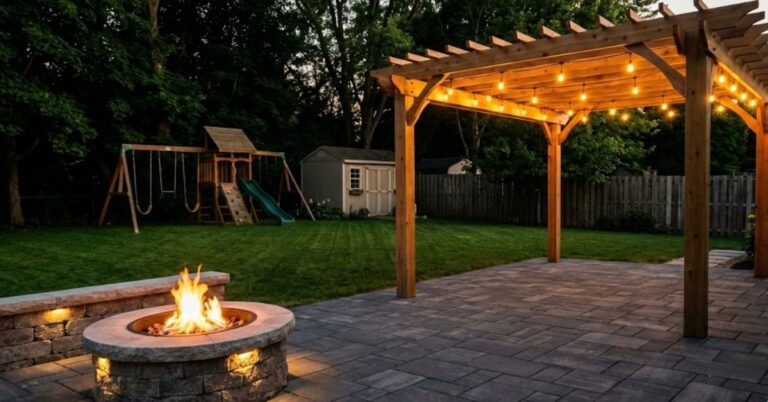
Building a climate-resilient backyard means turning your yard into a sponge. You do this by improving your soil texture with organic compost and using permeable materials. Instead of a solid concrete patio that creates runoff, use pavers with gaps or crushed stone. This lets the water soak back into the ground where your plants can actually use it.
Extreme weather prep: Don’t get caught off guard
Extreme weather isn’t a “once in a lifetime” thing anymore; it’s just Tuesday. To prepare your garden for extreme weather, you need to think about two things: protection and drainage.
If you live in a place that gets sudden heavy rain, you need a rain garden. This is just a fancy name for a shallow dip in your yard filled with plants that don’t mind getting their feet wet. It catches the water, filters it, and keeps your yard from becoming a lake. If you’re dealing with heat, mulch is your best friend. A thick layer of wood chips keeps the soil cool and stops moisture from evaporating. I’ve seen plants survive a 100-degree week just because they had four inches of mulch protecting their roots.
The cost of going green (and staying blue)
I know what you’re thinking. “This sounds expensive, Columnist.”
Actually, it’s about shifting your budget. You spend more upfront on the right plants and soil work, but you stop spending money on the “maintenance treadmill.” You stop buying the bags of “weed and feed” and you stop running the sprinklers for hours.
| Project Type | Estimated Initial Cost (DIY) | Yearly Savings (Water/Chemicals) |
| Mulching (3-4 inches) | $100 – $300 | $50 – $100 |
| Installing Native Shrubs | $200 – $500 | $150+ |
| Rain Barrel Setup | $80 – $150 | $30 – $60 on water bills |
| Permeable Path | $200 – $600 | Lowers flood repair risk |
Quick Answers (Because I Know You’ll Ask)
What is a climate-resilient backyard? It’s a yard built to handle whatever the sky throws at it—heat, cold, or too much water—without needing you to babysit it 24/7.
How do I make my yard drought-resistant? Start with mulch. Then, get rid of half your grass and replace it with plants native to your area. They don’t need a hose to survive.
Are native plants better for the environment? Yes. They require fewer chemicals, use less water, and provide actual food for the local bugs and birds that keep your garden healthy.
How to prepare a garden for extreme weather? Improve your soil so it drains well, use windbreaks like sturdy hedges, and always keep your soil covered with mulch or groundcover.
What are the landscaping trends for 2026? We’re seeing a huge move toward “meadow lawns,” rain gardens, and edible landscapes that can handle heatwaves.
How much does climate-resilient landscaping cost? It varies, but usually, it costs about the same as a traditional landscape to install, but saves you 40-60% on maintenance and water over time.
The bottom line
Look, I’m not saying you have to turn your yard into a wild jungle. I’m saying you should stop fighting nature because nature has a better record than you do. A yard that dies every time it gets hot isn’t a yard; it’s a chore.
In 2026, the smart money is on yards that can take a punch. Use the right plants, fix your drainage, and stop over-watering. Your wallet (and your back) will thank you. For more practical advice on dealing with the changing seasons, keep an eye on our News category. Whether it’s dealing with lawn moss or choosing the right mulch, we’ve got you covered.
Take a breath, put down the expensive chemicals, and let’s build something that actually lasts.
Also Read:
- 89 Facts About Squirrels: Stop Letting These Furry Bandits Rob Your Yard
- Stop Getting Robbed at the Grocery Store: The Best Plants for Hydroponic Tower Success
- Stop Renting Your Salad: The Ultimate DIY Guide to Making a Hydroponic Tower
- Stop Letting the Power Company Grow Your Salad: The DIY Guide to a Hydroponic Tower Without Electricity
- Stop Paying $4 for Dirt-Tasting Carrots: Can You Grow Carrots in a Hydroponic Tower?
- The $8 Strawberry Scam: Why You Need a Hydroponic Tower for Strawberries Right Now
- Your 3D Printer Finally Has a Real Job: Build a 3D Printed Hydroponic Tower and Stop Buying $5 Lettuce
- Why I’m Done With $5 Grocery Store Lettuce: Build This DIY PVC Hydroponic Tower for Under $100
- The Hydroponic Tower Bible: Build, Buy, and Grow Your Way to Food Freedom