Stop the Squeeze: The Best Winter Mulch Types to Prevent Frost Heave in Zone 7
I was out in the yard yesterday, and the ground felt like a bag of frozen marbles. It’s early January 2026, and here in Zone 7—stretching from Virginia through Tennessee and down into parts of Oklahoma—we’re hitting that miserable “seesaw” weather. One day it’s 50 degrees and muddy; the next, it’s a flash freeze that turns your driveway into a skating rink.
This is exactly when frost heave happens. I saw a neighbor’s expensive new coral bells literally sitting on top of the dirt, roots exposed to the wind like they’d been evicted. The ice in the soil expanded and physically shoved the plants out of the ground. It’s frustrating, it’s ugly, and it’s totally avoidable if you stop treating your garden like a summer-only hobby.
To keep your plants in the dirt where they belong, you need the right winter mulch types. Most people think mulch is just for making the yard look “vibrant” in May. In January, mulch is a thermal blanket. If you don’t get it right, the frost will play catch with your perennials.
What is frost heave and how do I prevent it?
Frost heave occurs when soil moisture freezes and expands, pushing plants upward and exposing roots to freezing air. To prevent it, apply 2 to 4 inches of coarse mulch after the first hard frost. This insulates the soil, keeping temperatures stable and stopping the rapid freeze-thaw cycles.
Why Zone 7 is a Frost Heave Nightmare
I get why this is confusing. Most people were taught that “winter” means the ground freezes and stays that way. In the North, that’s true. But in Zone 7, we’re the land of the “Great Thaw.”
The temperature swings here are violent. We get warm afternoon sun that thaws the top inch of soil, followed by a 20-degree night. That constant expansion and contraction acts like a slow-motion hydraulic jack under your plants. Young plants with shallow root systems don’t stand a chance without a buffer.
The Strategy: Insulation Over Appearance
Don’t go out and buy that dyed red wood mulch right now. It looks fake, and in the winter, it’s not the best tool for the job. You want something with “loft”—meaning it traps air. Air is the actual insulator.
Think of it like a down jacket versus a thin t-shirt. You need those pockets of air to keep the ground at a steady temperature. If the ground stays frozen, that’s fine. If it stays thawed, that’s fine too. The goal of using winter mulch types is to stop it from switching back and forth every twelve hours.
Top 3 Mulch Contenders for Zone 7
Not all mulch is created equal when the mercury drops. You need material that won’t mat down into a soggy, anaerobic mess.
1. Pine Straw (The Southern Classic)
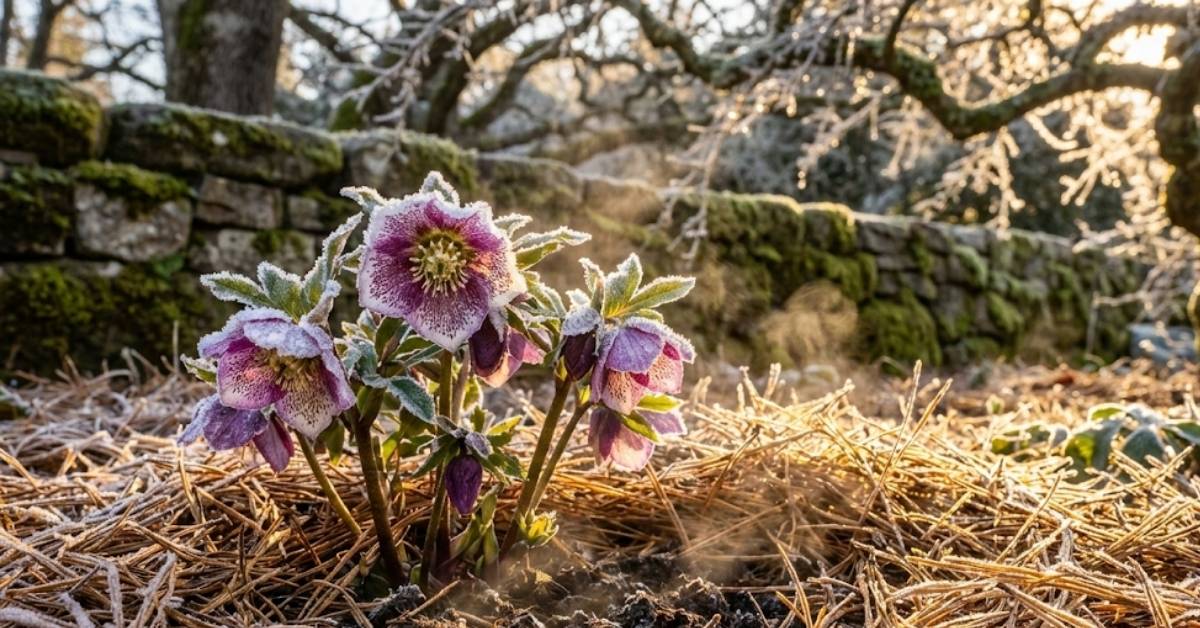
If you can get your hands on pine needles, use them. They are the gold standard for winter garden prep for Zone 7. Because of their shape, they knit together but stay loose. They don’t blow away in our winter windstorms, and they provide excellent “loft.”
2. Shredded Bark or Wood Chips
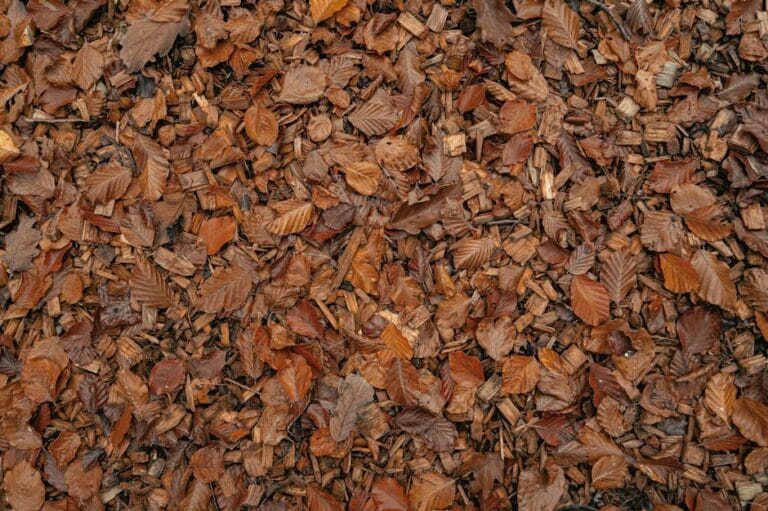
This is the standard, but don’t get the fine-ground stuff. You want “Arborist Chips” or coarse bark. If it’s too fine, it turns into a crust. Water needs to get through, but the cold needs to stay out.
3. Straw (The Heavy Hitter)
If you have a vegetable garden or a new strawberry patch, clean wheat straw is hard to beat. It’s cheap and incredibly effective at trapping air. Just make sure it’s “straw” and not “hay,” or you’ll be weeding out grass for the next three years.
Mulch Comparison for Frost Protection
| Mulch Type | Insulation Value | Cost | Longevity | Best For |
| Pine Straw | Excellent | Medium | 6-12 Months | Acid-loving shrubs, slopes. |
| Wood Chips | Good | Low/Free | 1-2 Years | Trees, established beds. |
| Wheat Straw | Superior | Very Low | 3-6 Months | Veggie beds, strawberries. |
| Fallen Leaves | Moderate | Free | 2-4 Months | Natural areas (must be shredded). |
The “Free” Option: Are Leaves Good?
Everyone wants to use the leaves they raked up in November. You can, but there’s a catch. If you just dump a pile of whole maple or oak leaves on your plants, they’ll mat down into a wet, heavy sheet. This suffocates the soil and encourages crown rot.
If you want to use leaves for best mulch for winter protection, run them over with the lawnmower first. Shredded leaves stay fluffy and break down into great nutrients by spring. It’s free, and it keeps more junk out of the landfill.
When to Apply (Timing is Everything)
If you mulch too early—while the ground is still warm in October—you’re basically inviting voles and mice to move into a heated hotel for the winter. They will sit under that mulch and chew on your plant stems all winter long.
Wait for the first two or three hard frosts. You want the plants to be fully dormant and the ground to have “settled” into its winter cold. In Zone 7, that’s usually late December or early January.
Before you head to the store, use our mulch calculator to figure out exactly how many bags or yards you need. Most people guess and end up with a pile that’s six inches deep in one spot and bare in another. Consistency is what prevents the heave.
Thickness and Placement
Don’t make “mulch volcanoes.” I see this everywhere—people piling mulch up against the trunk of a tree like they’re trying to build a pyramid. This rots the bark and kills the tree.
Keep the mulch 2 to 3 inches away from the actual stems of the plants. You want to cover the root zone, not the neck of the plant. A layer 2 to 4 inches thick is plenty. Any more and you’re just wasting money; any less and the frost will find the gaps.
If you’re working on a larger project, like a new path or a foundation near your beds, you can also check our soil calculator or concrete calculator to keep your garden geometry in check.
Quick Answers (Because I Know You’ll Ask)
When should I apply winter mulch in Zone 7?
Apply it after the first few hard freezes, typically in late December. Applying it too early can trap heat and encourage pests, while waiting too long leaves roots exposed to the worst of the January cold.
How thick should winter mulch be?
A depth of 2 to 4 inches is ideal. This provides enough insulation to stabilize soil temperatures without smothering the soil or preventing moisture from reaching the roots.
Does mulch prevent the ground from freezing?
Not necessarily. Its job is to slow down the temperature changes. It helps the ground freeze slowly and stay frozen, rather than thawing out every time the sun comes out for an hour.
What are the best winter mulch types for perennials?
Pine straw and coarse wood chips are the best. They offer great insulation and allow for good airflow, which prevents the crowns of the plants from rotting in damp winter weather.
Can I use fall leaves as winter mulch?
Only if they are shredded. Whole leaves mat together and block air and water. Run them over with a mower to create a “fluffy” mulch that protects without suffocating.
Should I remove winter mulch in the spring?
Don’t remove it, but pull it back. Once you see new green growth peeking through, move the mulch a few inches away from the plant’s center to allow the sun to warm the soil and the plant to breathe.
Is pine straw good for winter protection?
It is one of the best options for Zone 7. It stays in place during high winds and provides excellent thermal protection while allowing the soil to “breathe” better than heavy barks.
Relax, Your Garden is Sleeping
Winter gardening isn’t about blooming; it’s about surviving. I get why people find this part of the year boring. There’s no color, and everything looks like a stick in the mud. But the work you do now—getting those winter mulch types down correctly—is what determines if you have a garden in April or just a bunch of empty holes.
Don’t overcomplicate it. Pick a coarse material, wait for the cold to set in, and give your plants the blanket they need. If you’re looking for more ways to protect your yard or want to see what’s happening in the world of gardening right now, check out our fitforyard.com homepage or browse the latest News section.
Keep your feet dry and your mulch thick. See you in the spring.
Check the News category for more blunt tips on surviving the 2026 winter season.
Also Read:
- Frontyard Landscaping Ideas With Rocks
- Never Buy 11 Plants at the Home Garden Center: A Guide to Smart Gardening
- The Beauty of Balcony Gardening
- What do squirrels do? Importance in the Ecosystem
- Stop Guessing and Start Testing: 5 Soil Tests to Do Before the Spring Thaw
- No Ladder, No Problem: The Best Way to Clean Gutters From Ground
- Is Your Lawn Water-Addicted? Use This New ‘Smart Watering’ Cycle Instead
- How to Grow and Care for a Lemon Lime Prayer Plant
- Holiday Light Fire Safety: The 2025 Warning Experts Want You to Hear
- The Dos and Don’ts of Encouraging Birds to Nest in Your Roof Eaves