The Dark Side of Curb Appeal: Why Dark Wood Patios are Dominating 2026
I’ve spent the better part of my life looking at “builder-beige” decks and pressure-treated pine that turns that sickly shade of gray after two seasons. It’s boring. It’s predictable. And frankly, it’s a bit of a lazy way to treat your backyard.
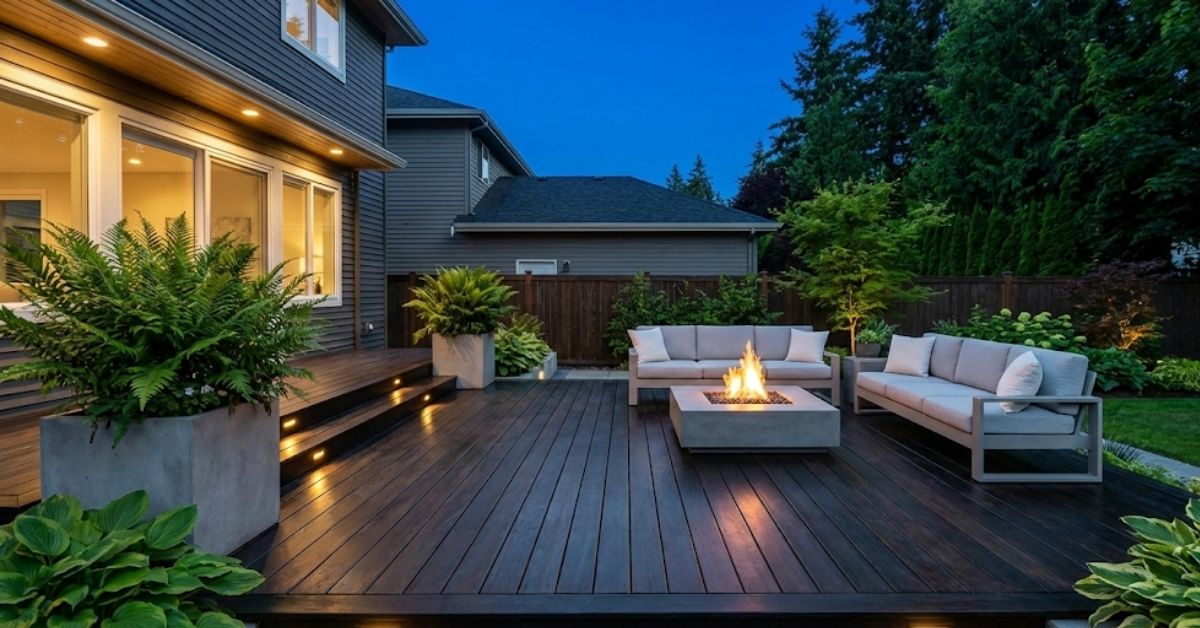
Lately, I’ve been driving through neighborhoods from the Pacific Northwest down to the humid corners of Georgia, and I’m seeing a massive shift. People are finally waking up. They’re ditching the honey-colored oak look for deep charcoals, ebony stains, and scorched timber. Modern Yard Design in 2026 has officially gone dark, and for once, I’m not actually mad about a trend.
But before you go out and buy five gallons of the darkest stain you can find, you need to know the reality of living with a dark patio. It’s not just about looking like a high-end mountain resort; it’s about understanding heat, maintenance, and the right materials so you don’t end up with a peeling mess in six months.
The Short Answer: Is Dark Wood Good for a Patio?
Dark wood is an excellent choice for modern yard design because it provides a high-contrast, sophisticated look that makes green foliage pop. However, it requires specific materials like Ipe, Shou Sugi Ban, or high-quality composite to handle heat absorption and prevent premature fading in direct sunlight.
The Heat Problem (and How to Fix It)
Let’s address the elephant in the yard. Dark colors soak up the sun. If you live in Arizona or Texas and you build an ebony-stained deck with zero shade, you’re basically building a giant frying pan for your feet.
I get why this is confusing. Most people were taught that wood is naturally “cool,” but color science doesn’t care about your feelings. A dark surface can be 20 to 30 degrees hotter than a light one. If you want this look in a hot climate, you have to plan for it. We’re talking pergolas, retractable awnings, or choosing “cool-deck” technology in modern composites that mimic dark timber without the third-degree burns.
Choosing the Right Material
You can’t just slap a dark stain on cheap pine and expect it to look like a million bucks. Cheap wood expands and contracts too much, which means your dark finish will flake off as soon as the humidity hits. If you want the dark wood patio trends 2026 is famous for, you need to start with the right foundation.
| Material Type | Durability | Heat Retention | Maintenance Level | Estimated Cost (per sq. ft.) |
| Ipe (Brazilian Walnut) | Incredible (40+ years) | High | Low (Oiling required) | $20 – $35 |
| Shou Sugi Ban (Charred) | High (Rot resistant) | Medium | Very Low | $15 – $25 |
| Premium Composite | High | Medium/High | Nearly Zero | $12 – $20 |
| Stained Pressure Treated | Low/Medium | Medium | High (Re-stain annually) | $5 – $10 |
Cost estimates based on 2026 US market averages for materials only.
Why Dark Wood Makes the Yard Look Bigger
There’s a myth that dark colors make a space feel small. That’s nonsense. In a backyard, a dark patio acts as an “anchor.” Because the wood is dark, the vibrant greens of your lawn and the bright colors of your flowers stand out more. It creates a “recessive” effect—the floor of the patio disappears into the shadows, making the edges of your yard feel further away.
If you’re worried about the actual footprint of your project, stop guessing. Use our concrete calculator if you’re doing a hybrid stone-and-wood layout, or hit the soil calculator to figure out how much grading you need to do before the joists go down.
The Rise of “Shou Sugi Ban”
If you want to be the talk of the block for the right reasons, look into Shou Sugi Ban. This is an ancient Japanese technique where you actually char the surface of the wood with a torch. It sounds crazy to set your deck on fire, but it creates a layer of carbon that bugs hate and rot can’t touch. It leaves you with a deep, textured black that looks better as it ages.
According to the U.S. Forest Products Laboratory, charred wood surfaces provide a natural barrier against UV degradation. It’s a bit more work upfront, but you won’t be out there every spring with a power washer and a prayer.
Furniture and Contrast
Don’t put dark brown furniture on a dark wood deck. You’ll lose your chairs in the twilight and trip over them. 2026 is all about contrast. Think white outdoor sofas, light gray stone fire pits, or even some stainless steel accents.
Maintenance Reality Check
I’m going to be blunt: dark wood shows pollen, dust, and pet hair like a black car. If you live in a high-pollen area or have a white dog that sheds, you’re going to be sweeping more often.
If you go with a natural wood and a dark stain, you’ll need to re-apply a UV-protectant sealer every 12 to 18 months. Dark pigments break down faster in the sun than light ones. It’s the price you pay for looking this good. If you’re the type of person who forgets to water the plants, stick with a high-end composite.
While you’re at it, don’t forget the rest of the yard. A beautiful deck looks stupid if it’s surrounded by dead grass and weeds. Check our News section for the latest on winter soil prep so your lawn stays as sharp as your new patio.
Quick Answers (Because I Know You’ll Ask)
Does dark wood make a backyard look smaller?
No. In fact, dark flooring often creates a sense of depth. It allows the boundaries of the patio to blend into the landscape, making the surrounding greenery and bright furniture pop, which can make the overall space feel more expansive and integrated.
How do I maintain a dark wood patio?
If it’s natural wood, you need to clean it with a specialized wood soap and apply an oil-based dark stain or UV sealer every year or two. If it’s composite, a simple soap-and-water scrub twice a year is enough. Avoid using a high-pressure power washer, as it can strip the pigment.
What is the best dark wood for outdoor use?
Ipe is the gold standard for durability, but it’s expensive. For a more modern, sustainable look, charred Cedar (Shou Sugi Ban) is fantastic. If you’re on a budget, heat-treated (thermally modified) ash or poplar stained with a deep ebony provides a similar look for less cash.
Does a dark patio get too hot in the sun?
Yes, it can. On a 90-degree day, a dark deck can easily reach 120 degrees or more. To combat this, use outdoor rugs in high-traffic areas, install a pergola for shade, or choose modern composite decking designed with “cool-touch” technology.
What color furniture goes with dark wood patios?
Light neutrals are your best friend. Cream, light gray, and white provide a stunning contrast. Natural teak or light oak furniture can also work if you want a warmer, layered look. Avoid dark browns or blacks unless you have plenty of bright outdoor pillows to break up the color.
How much does a dark wood patio cost?
Expect to pay between $15 and $35 per square foot for high-end wood materials like Ipe or charred Cedar. Composite is slightly cheaper in the long run due to low maintenance. If you’re doing it yourself with pressure-treated wood and stain, you can get it down to $8 to $12 per square foot, but you’ll pay in labor over the years.
Can I use my pool calculator for a deck?
Well, unless you’re planning on flooding the deck (not recommended), the pool volume calculator won’t help you much here. Stick to the mulch calculator to figure out how much stone or wood chips you need for the perimeter after the deck is finished.
Wrapping It Up
A dark wood patio isn’t just a trend; it’s a statement that you actually care about modern backyard ideas. It’s sophisticated, it’s bold, and it makes every plant in your yard look like it belongs in a magazine. Just do yourself a favor: buy the good stuff, plan for the heat, and keep your broom handy.
If you’re ready to start digging, head over to fitforyard.com for more guides. We’ve got a whole News category dedicated to making sure you don’t waste your time or money on junk.
Now, get outside and start measuring. Those summer BBQs aren’t going to host themselves.





Also Read:
- Why Your Neighbors Are Wrong About Epsom Salt (And Why You Need It This January)
- Stop Waiting: The Ultimate February Dormant Pruning Checklist for Fruit Trees
- Stop Guessing: How Much Mulch Do You Actually Need? Use Our 2026 Tool
- Why Gardeners are Raving About This ‘Vinegar Hack’ for Patio Weeds
- Stop the Squeeze: The Best Winter Mulch Types to Prevent Frost Heave in Zone 7
- Stop Dreaming and Start Digging: How to Prep Your Backyard for a 2026 Vegetable Harvest
- Stop Killing Your Plants: The Honest Truth About Yard Gardening Tips That Actually Work
- Your Clear Driveway Is Killing Your Garden: The Ugly Truth About Road Salt
- Forget Feeders: Why Hummingbirds Are Absolutely Obsessed With “Turks Cap”