Stop Dreaming and Start Digging: How to Prep Your Backyard for a 2026 Vegetable Harvest
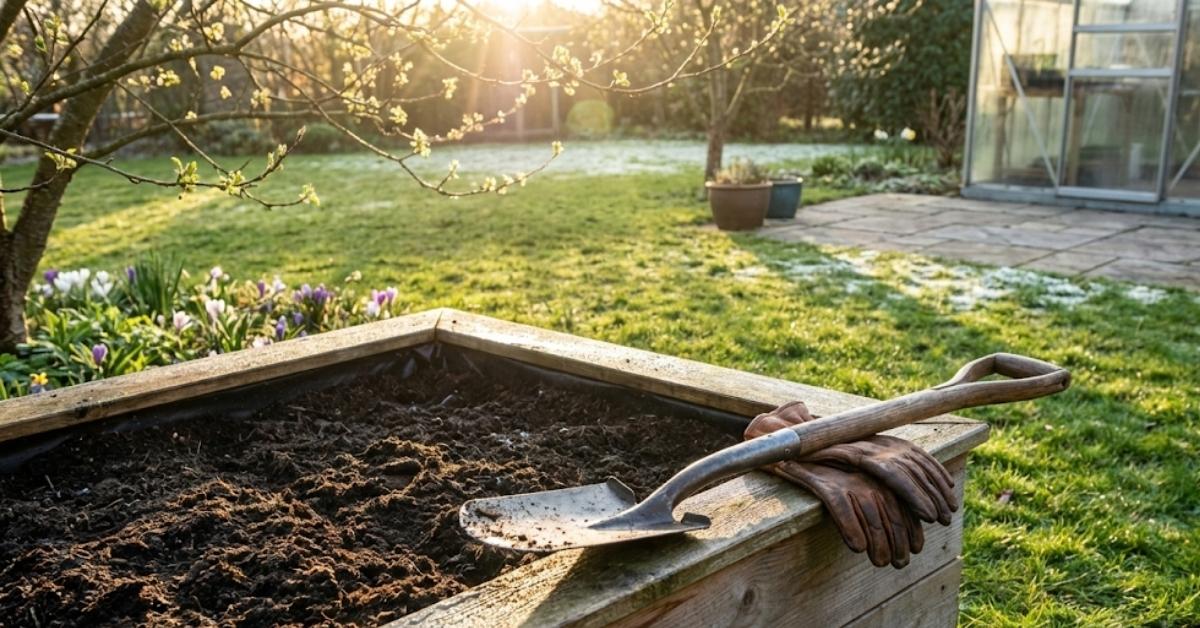
It’s January 1st, 2026. Most of your neighbors are nurseing hangovers or making “new year, new me” resolutions that won’t last until Friday. If you want a garden that actually feeds you this year, you need to be smarter. While everyone else is staring at seed catalogs and dreaming of “vibrant” tomatoes, you should be looking at the cold, hard ground.
I’ve seen too many people wait until the first warm Saturday in April to start thinking about their yard. By then, they’re panicking at the garden center, buying overpriced “miracle” dirt and plastic tools that’ll snap the first time they hit a rock. If you want to prep your backyard for a 2026 vegetable harvest, you start now. It isn’t about being a “master gardener.” It’s about not being lazy when it matters.
When should I start preparing my backyard for vegetables?
You should start preparing your backyard for a vegetable harvest about six to eight weeks before the last expected frost. This gives you time to clear debris, test your soil, and add compost so the ground is rich and settled when planting day arrives.
Location: Don’t Fight the Sun
I get why this is confusing. Most people were taught that if you have dirt and water, things grow. That’s a lie. Vegetables are sun-hungry divas. If you put your garden in that “cute” corner under the big oak tree, you’ll get a handful of sad, spindly leaves and zero actual food.
Go outside right now. Look at where the light hits. You need a spot that gets six to eight hours of direct sun. Not “dappled” sun. Not “bright shade.” Actual, direct sun that makes you squint. If you don’t have that, you aren’t growing tomatoes; you’re growing disappointment.
Also, check your drainage. If you see standing water or smell a “rotten egg” scent in the mud, your roots will drown. You want a spot with a slight slope or soil that feels like a wrung-out sponge, not a swamp.
The Engine: Fixing Your Soil
Soil is not “dirt.” Dirt is what you sweep off your porch. Soil is a living machine made of minerals, air, water, and bugs. If your soil is junk, your harvest will be junk. It is that simple.
Before you spend a dime on fertilizer, you need to know what you’re working with. I’m tired of seeing people dump lime on their yard just because a neighbor did. Your neighbor might have different soil. Get a soil test. Most state university extensions (look for .edu sites like UMass or Cornell) will do it for twenty bucks.
Soil Prep Comparison
| Method | Cost | Labor Level | Best For |
| In-Ground | Low | High (Digging) | Large areas with decent natural dirt. |
| Raised Beds | Medium-High | Medium | Beginners, bad backs, and heavy clay soil. |
| Containers | Medium | Low | Patios, balconies, or renters. |
If you realize your ground is basically a brick of clay, don’t kill your back trying to till it. Build up. Use our soil calculator to figure out exactly how much topsoil and compost you need to fill a bed so you don’t over-order and have a five-ton pile of mud sitting on your driveway for a month.
Raised Beds: The Honest Truth
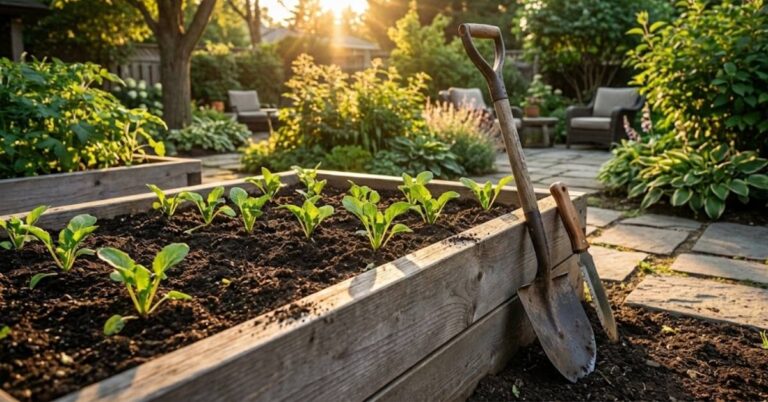
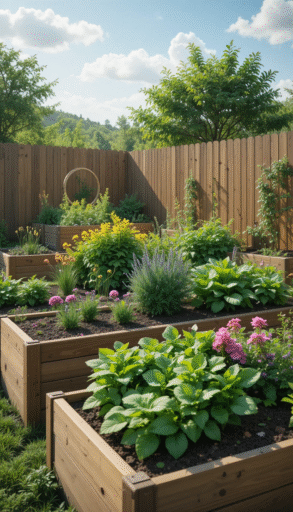
I love a good raised bed. They warm up faster in the spring and keep the weeds at bay. But don’t buy those fancy, “designer” kits that cost $400 and are made of thin plastic. Cedar or heat-treated pine is what you want.
Building a bed isn’t rocket science. It’s four pieces of wood and some screws. If you’re worried about the cost of filling them, use the “Hugelkultur” trick. Fill the bottom 40% with old logs, sticks, and dried leaves. It saves you money on soil and acts as a slow-release sponge for water.
The Minimalist Tool Kit
Stop buying gadgets. You don’t need a motorized weeder or a Bluetooth-connected soil moisture probe. You need four things:
- A D-Handle Shovel: For the heavy lifting.
- A Steel Rake: To level the ground.
- A Hand Trowel: For the small holes.
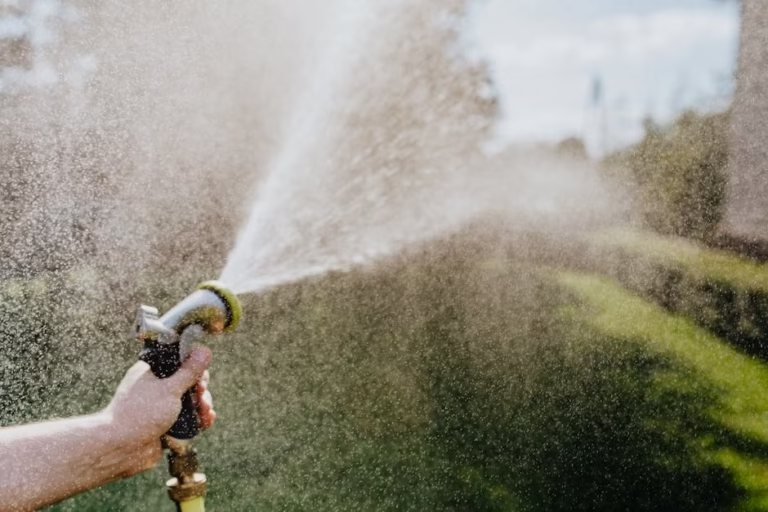
- A Quality Hose: Don’t buy the “kink-free” ones that cost ten dollars. They always kink. Spend the money on a heavy-duty rubber hose.
If you’re doing a bigger project, like a path between your beds, you might even need to look at our concrete calculator for the footings or a mulch calculator to keep the weeds off your walkway.
Planning the Menu
Don’t plant twenty kale plants if you hate kale. It sounds obvious, but I see it every year. For a successful planning a home vegetable garden for beginners, stick to the “Easy Five”:
- Green Beans: They grow like weeds.
- Zucchini: You’ll have so many you’ll have to leave them on neighbors’ porches.
- Lettuce: Great for early spring.
- Cherry Tomatoes: Harder to kill than the big ones.
- Radishes: They go from seed to plate in 25 days.
Keep an eye on our News category to see what the weather trends are looking like for the 2026 season. We keep it updated so you don’t plant your peppers during a freak late-April freeze.
Quick Answers (Because I Know You’ll Ask)
How do I prepare my soil for a vegetable garden?
First, clear all weeds and grass. Then, add 2-3 inches of organic compost to the surface. You don’t necessarily need to turn it over with a tiller. Just let the earthworms do the work of pulling that nutrients down into the root zone.
Is it better to use raised beds or plant in the ground?
If your yard has rocky soil or heavy clay, raised beds are better because you control the dirt. If you have a large, flat yard with decent soil, planting in the ground is much cheaper.
What are the easiest vegetables for beginners to grow?
Radishes, green beans, and zucchini are almost foolproof. They grow fast and aren’t as prone to the fussy diseases that kill tomatoes or eggplants.
How much sun does a vegetable garden need?
Most vegetables need at least six to eight hours of direct, unobstructed sunlight every day. Leafy greens like spinach can handle a bit more shade, but anything with a fruit (tomatoes, peppers, cucumbers) needs maximum heat.
How do I stop weeds from taking over my new garden?
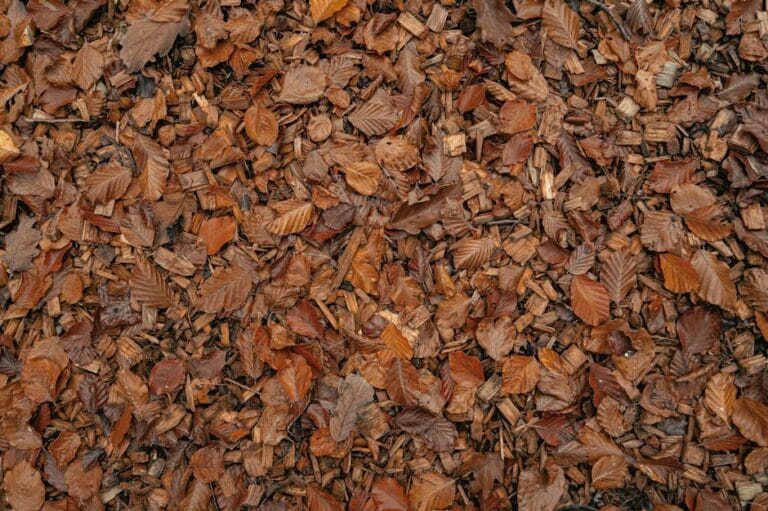
Never leave the soil bare. Use a thick layer of straw or wood chips between rows. This smothers weed seeds so they can’t see the light. If you let them get established, you’ve already lost the battle.
Do I need to test my soil every year?
No. Every two to three years is enough for a home garden. Once you get your levels balanced with compost and organic matter, they stay pretty stable unless you see your plants struggling.
What tools do I actually need to start a garden?
You need a sturdy shovel, a rake, a hand trowel, and a good watering can or hose. Everything else is just expensive clutter that takes up space in your garage.
How do I start a garden if my ground is still frozen?
You plan. Mark your rows on paper, order your seeds, and build your raised beds now. Once the ground thaws and isn’t dripping wet, you can start adding your soil and amendments.
Reclaiming Your Yard
Gardening isn’t a “nature-themed” hobby. It’s an act of defiance against overpriced, flavorless grocery store produce. I get why this feels overwhelming. Most people think they need a degree in biology to grow a carrot. You don’t. You just need to show up and do the work.
Prepping now means you won’t be stressed out in May. You’ll have a plan, your soil will be ready, and your back won’t be broken. If you’re looking for more ways to fix up your outdoor space, head over to our fitforyard.com homepage for the latest guides.
Stay grounded. Stop overthinking it. Just get outside and start clearing that patch of grass. You’ll thank me when you’re eating a tomato that actually tastes like a tomato in July.
Take a look at our News section for more blunt advice on yard work and home improvement.
Also Read:
- Your Wallet is Empty, Your Yard is Ugly: 10 Cheap Backyard Landscaping Ideas for Small Yards (Under $300)
- The Ultimate Guide to Hanging Gutters by Yourself: Everything You Need to Know
- Birds Not Coming to Your Feeder? Why They Ignore You Until the First Snow
- Do squirrels sleep with their eyes open?
- Your 3D Printer Finally Has a Real Job: Build a 3D Printed Hydroponic Tower and Stop Buying $5 Lettuce
- Say Goodbye to Clogged Gutters: The Ultimate Guide to Stop Leaves in Gutters
- Why Winter Mulching Is The Only Thing Standing Between You And A Dead Garden