Stop Guessing and Start Testing: 5 Soil Tests to Do Before the Spring Thaw

I see it every year. Folks head to the big-box store the second the sun peeks out in March. They load up their carts with “all-purpose” fertilizer, bags of lime they don’t need, and enough grass seed to cover a football field. They spend a fortune without even knowing what’s happening in their own yard. It’s like buying a pair of shoes without knowing your foot size. You’re just asking for a headache.
Before you waste another dime, you need to understand your ground. Doing a few soil tests before spring thaw tells you exactly what your garden needs. It saves you money, saves your plants, and keeps you from working harder than you have to.
When should I start testing my garden soil?
You should start testing your garden soil as soon as the ground is workable and no longer frozen. To get accurate results, wait until the soil is moist but not soaking wet. If you can squeeze a handful and it doesn’t drip water, it’s time to test.
Why You Shouldn’t Wait for the Grass to Green
Early spring is a frantic time. Once the ground warms up, everything happens at once. If you wait until you’re ready to plant to check your soil, you’re already behind. Soil amendments like lime or sulfur take months to actually change the chemistry of the earth. I get why you want to wait for a warm day, but your soil needs time to digest what you give it.
Don’t Dig in the Ice
I’ve had neighbors ask if they can take samples while the ground is still a frozen block. The answer is a hard no. You can’t get a clean sample with a jackhammer, and the lab can’t do much with a literal brick of ice. Wait until the frost line has moved out. Your shovel should slide in with a bit of effort, not a fight.
The Squeeze Test: Texture Matters
Most people call everything “dirt.” That drives me crazy. Dirt is what you sweep off the kitchen floor. Soil is a living system of minerals and organic matter. The first thing you need to know is your texture. Is it sand, silt, or clay?
Grab a handful of soil from about four inches down. Squeeze it tight in your fist. Open your hand. If it falls apart instantly, you’ve got sand. If it stays in a hard, sticky lump, you’ve got clay. If it holds its shape but crumbles when you poke it, you’ve hit the jackpot: loam.
Soil Texture Quick Guide
| Texture | How it Feels | Water Behavior | What it Needs |
| Sand | Gritty, falls apart | Drains too fast | Lots of compost |
| Clay | Sticky, holds shape | Stays wet/cold | Organic matter |
| Silt | Smooth like flour | Holds water well | Some aeration |
| Loam | Crumbly, dark | Just right | Maintenance only |
Checking the Drainage (The Perk Test)
Nothing kills a plant faster than “wet feet.” If your soil doesn’t drain, your roots rot. It’s that simple. I’ve seen beautiful trees die in a month because they were planted in a literal bathtub of clay.
Dig a hole about 12 inches deep. Fill it with water and let it drain completely. This saturates the area so the test is fair. Fill it again and put a yardstick in the hole. See how much the water level drops in an hour.
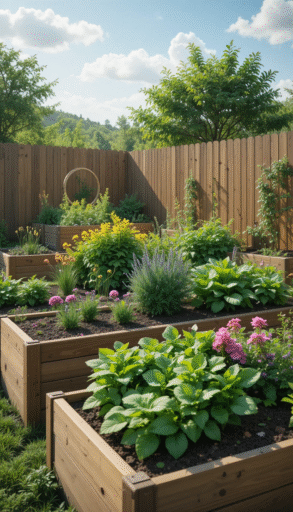
If it drops less than an inch, you have a problem. You might need to build raised beds or find plants that love a swamp. If you are planning to add new dirt to fix a low spot, use this soil calculator to make sure you don’t over-order. Nobody wants a three-ton pile of topsoil sitting on their driveway for a month.
The Screwdriver Test for Compaction
Compacted soil is like concrete. Roots can’t push through it, and water can’t get down to where it’s needed. This happens a lot in high-traffic areas or where heavy snow sat all winter.
Take a long flathead screwdriver and try to push it into the ground in several spots. If you can’t push it in at least six inches with just your hand strength, your soil is too tight. You’ll need to aerate before the heat of summer hits. I know, it’s a chore. But it’s better than watching your grass turn brown in July because the roots were stuck in the top two inches of dirt.
Testing Soil pH at Home
The pH scale runs from 0 to 14. Most garden plants like a slightly acidic 6.5. If your soil is too “sour” (acidic) or too “sweet” (alkaline), the plants can’t “eat.” The nutrients are there, but they are chemically locked away.
You can do a quick check with stuff from your pantry. Put some soil in a cup and add vinegar. If it fizzes, your soil is alkaline. Put more soil in a different cup, mix with water, and add baking soda. If it fizzes there, it’s acidic. It’s not a precise number, but it’s a start. For a real plan, you need a lab.
The Professional Lab Analysis
This is the one test that actually saves you money. For about twenty bucks, your local university extension office will give you a full report. They’ll tell you exactly how much Nitrogen, Phosphorus, and Potassium you have.
Stop buying “all-purpose” 10-10-10 fertilizer. Your yard might have plenty of Phosphorus already. Adding more doesn’t help; it just runs off into the local pond and causes algae problems. According to the USDA Natural Resources Conservation Service, knowing your nutrient levels is the foundation of any healthy landscape.
If you are planning to top-dress with compost or mulch after your tests, check out the mulch calculator to get your measurements right.
How to Sample Soil Properly
Don’t just grab a scoop from one spot. That’s lazy. Your yard has different “zones.” The area near the house might be full of old construction debris, while the back corner is pure clay.
Take 10 to 12 small samples from different spots in the same area. Mix them in a clean plastic bucket. Take a cup of that mixture for your test. This gives you an average of what’s actually happening across the whole bed.
Winter Rain and Your Results
People ask me if all that winter rain messes up the test. It can wash away some Nitrogen, sure. But the minerals like Lead, Calcium, and Magnesium stay put. Testing in late winter or early spring gives you the most honest look at what your plants will face when they wake up.
Quick Answers (Because I Know You’ll Ask)
How do I test my soil for spring planting?
Use a clean trowel to dig 6 inches deep. Remove any grass or mulch from the top. Mix samples from several locations to get an accurate average for your garden bed or lawn.
Can I test soil while it is still frozen?
No. You cannot get an accurate sample, and the biological activity is dormant. Wait until the soil reaches at least 40 degrees Fahrenheit and is soft enough to dig without a pickaxe.
What is the easiest way to check soil pH at home?
The vinegar and baking soda test is the easiest way to see if your soil is at an extreme end of the scale. For a precise number, buy a digital probe or a liquid reagent kit.
How do I know if my soil is healthy enough for vegetables?
Healthy vegetable soil should be dark, smell like a forest floor, and have plenty of earthworms. A lab test will confirm if you have the high nutrient levels that hungry veggies like tomatoes require.
Does cold weather affect soil test results?
Cold weather doesn’t change the mineral content, but it slows down the release of nutrients from organic matter. Lab results are still very accurate in early spring.
Is a professional soil test better than a home kit?
Yes. Home kits can be fun for kids, but they are often inaccurate. Professional labs use calibrated equipment and provide specific recommendations for your region’s climate and soil types.
Do I need a professional soil test every year?
Probably not. Most home gardens only need a professional check every three years unless you are trying to fix a major problem or growing heavy-feeding crops.
Wrap It Up Before the Thaw
I know it’s more fun to look at seed catalogs than to dig holes in the cold mud. But your soil is the engine of your garden. If the engine is junk, the car won’t go anywhere. Get your tests done now so you can enjoy your yard later.
If you’re dealing with other yard issues, like that annoying moss that grows in the shade, you might want to read about how washing up liquid can help your lawn. We’re always updating our news section with practical tips that actually work for real people.
Go grab a shovel, get a bucket, and find out what’s actually going on down there. Your wallet—and your rose bushes—will thank you.
Also Read:
- Tired of the Grass Trap? Why 2026 is the Year Micro-Clover Lawns Finally Win
- The Hidden Danger of Walking on Frosted Lawns This Winter
- How to Calculate Concrete for Your 2026 Patio Project (Easy Guide)
- Stop! Don’t Prune These 5 Trees Until February 2026
- Winter Mulching 101: Why Your Garden Beds Need Protection Now
- The 60ml Washing Up Liquid Secret: Kill Lawn Moss in 24 Hours
- Tired of Your Yard Dying? Why 2026 is the Year of ‘Climate-Resilient’ Backyards (and How to Fix Yours)
- Gardeners Urged to Pour Dish Soap on Lawns This January: Here’s Why
- The Ultimate Backyard Guide: 137+ Ideas, Designs & Solutions for Your Perfect Outdoor Space (2026)
- Stop Wasting Cash on Your Ugly Yard: 50+ Backyard Ideas That Actually Work