Tired of the Grass Trap? Why 2026 is the Year Micro-Clover Lawns Finally Win
I’ve spent thirty years watching neighbors pour half their paychecks into “perfect” Kentucky Bluegrass just to watch it turn crispy every July. It’s a cycle of madness. You buy the expensive seed, you dump chemical nitrogen that smells like a factory, and you spend your Saturday mornings fighting a noisy mower. For what? A lawn that hates the heat and drinks more water than a swimming pool.
Honestly, it’s a scam. But in 2026, I’m seeing more folks finally wising up. They’re ditching the high-maintenance grass for micro-clover lawns. It isn’t just a trend for people who like to hug trees; it’s a practical move for anyone tired of being a slave to their yard.
What exactly is the Micro-Clover hype?
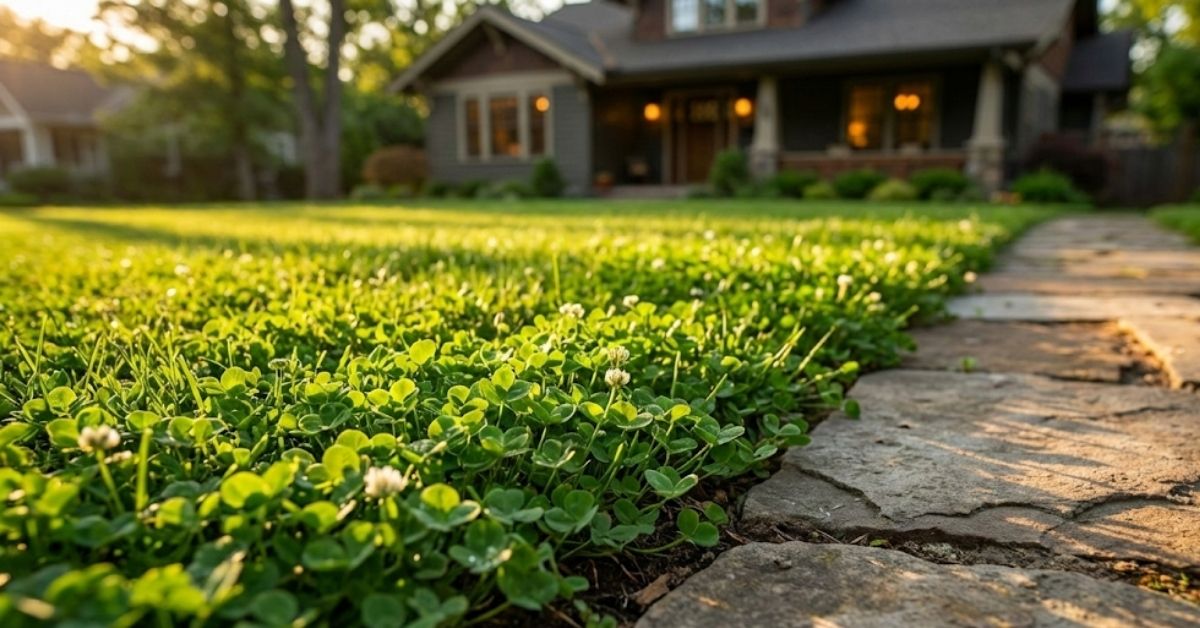
Micro-clover is a smaller, more behaved cousin of the white Dutch clover you see in parks. It has tiny leaves, grows low to the ground, and doesn’t clump up like the old-school stuff. It’s bred to blend into grass or stand alone as a soft, green carpet that actually stays green when the sun starts baking the earth.
The Direct Answer: Why switch now?
American homeowners are switching to micro-clover lawns in 2026 to slash water bills by 50%, eliminate the need for chemical fertilizers, and reduce mowing frequency. Unlike traditional turf, micro-clover pulls nitrogen from the air to feed itself, staying green during droughts and resisting common lawn pests.
Why your grass is failing you
Standard turfgrass is needy. It’s basically a toddler that requires constant snacks (fertilizer) and naps (mowing). If the temperature hits 90 degrees, it checks out and goes dormant. Micro-clover doesn’t have that ego. It’s a legume, which means it has a secret talent: it takes nitrogen from the atmosphere and puts it into the soil.
The “Free Fertilizer” secret
When you plant micro-clover, you’re basically planting a slow-release fertilizer factory. It feeds itself and any grass nearby. I’ve seen lawns that were 80% weeds turn into lush blankets just because the clover fixed the soil quality. You stop buying those heavy bags of chemicals, and your soil actually gets healthier over time.
Saving your wallet on water
Water prices aren’t going down. In places like Colorado or California, watering a lawn is like burning dollar bills. Micro-clover has deep roots. It reaches down into the cool soil where moisture hides. This means you aren’t dragging the hose out every single evening. It’s a relief for your back and your bank account.
How it handles your feet
People ask me, “Can I actually walk on this stuff?” Yes. It’s tougher than it looks. While I wouldn’t recommend a professional football game on a pure clover patch, for a backyard where kids run and dogs do their business, it holds up better than most fescue blends. It’s soft, too. No more itchy grass blades.
Micro-clover vs. Traditional Grass: The Reality
| Feature | Traditional Turf (Fescue/Bluegrass) | Micro-Clover (Mix or Pure) |
| Watering Needs | High (Deep soak 2-3x weekly) | Low (Drought resistant) |
| Fertilizer | Required 3-4 times a year | Rarely needed (Self-fertilizing) |
| Mowing | Every 5-7 days | Every 10-14 days (or less) |
| Pet Urine | Turns yellow/brown | Resists salt damage (Stays green) |
| Cost | High (Seed + Chemicals + Water) | Medium (Seed cost) / Low (Maintenance) |
Dealing with the “Bee” problem
I hear this one a lot: “Won’t clover attract every bee in the county?” Look, bees like flowers. If you let micro-clover grow long, it might produce tiny white blooms. If you have kids with allergies, just mow it. Micro-clover rarely flowers if you keep it at 3 inches. If you want the bees, let it go. It’s your call.
The cost of switching
The seed itself is more expensive than cheap grass seed from a big-box store. I won’t lie to you about that. But you have to look at the micro-clover vs grass maintenance costs over a full year. You save so much on water and fertilizer in the first six months that the seed pays for itself. It’s an investment, not an expense.
Best time to sow micro-clover in USA
Timing is everything. You can’t just throw seed on frozen ground or in the middle of a heatwave. For most of the US, the best time to sow micro-clover is early spring or early fall. You want temperatures between 50 and 70 degrees so the roots can settle in before the weather gets nasty.
Planting Timeline for Success
| Season | Action | Why? |
| Spring (March-May) | Best time for new lawns | Soft soil and rain help germination. |
| Summer (June-August) | Avoid planting | Heat will kill young seedlings before they root. |
| Fall (Sept-October) | Best for overseeding | Less weed competition and cooler nights. |
| Winter (Nov-Feb) | Planning phase | Research your zone and order seed early. |
How to plant micro-clover in existing lawn
You don’t have to rip up your whole yard with a tractor. You can “overseed.” First, mow your existing grass as short as the mower will go. Rake away the clippings. Scuff up the soil a bit so the seeds can actually touch dirt. Mix the tiny clover seeds with some sand or sawdust so you don’t dump them all in one spot.
Getting the measurements right
Don’t guess how much soil or seed you need. I hate seeing people buy twenty bags of dirt only to realize they needed five. Before you start, use a soil calculator to get your numbers straight. It saves you a trip back to the store, and it saves your sanity.
Will it take over my garden?
I get asked if micro-clover is invasive. It’s not like ivy or bamboo. It spreads, sure, but it’s easy to pull out of a flower bed. It doesn’t have those deep, woody runners that destroy foundations. A simple plastic border is usually enough to keep it where it belongs.
The brown spots from the dog
If you have a dog, you know the “yellow spots” of death. Grass hates dog pee. Micro-clover, however, is much more tolerant of the salts in pet urine. It stays green while the grass around it dies off. For pet owners, this alone is worth the switch.
What about the winter?
Does micro-clover stay green in winter? In the South, mostly yes. In the North, it will go dormant and turn a bit brownish when the ground freezes, just like grass. But it’s the first thing to wake up in the spring. It beats fescue to the punch every time.
Why the “Perfect Lawn” is changing
According to research from University of Maryland Extension, micro-clover is one of the most sustainable ways to keep a lawn functional without ruining the local watershed with runoff. It’s about being a good neighbor while having a nice yard.
Checking the Latest Trends
If you want to stay updated on why more neighborhoods are banning gas mowers or changing their lawn rules, check out the latest News on our site. Things are changing fast, and the “manicured golf course” look is quickly becoming a sign of an outdated home.
Quick Answers (Because I Know You’ll Ask)
Can you walk on a micro-clover lawn?
Yes. It handles regular foot traffic, kids, and pets just fine. It’s actually softer than most grass types.
Does micro-clover need fertilizer?
Hardly ever. It pulls nitrogen from the air and feeds itself. Adding nitrogen fertilizer can actually hurt the clover and encourage weeds.
Is it hard to kill if I hate it?
No. Standard broadleaf weed killers will take it out, though I don’t know why you’d want to go back to thirsty grass.
Does it grow in shade?
It’s okay in partial shade, but like most plants, it wants at least 4 hours of sun to really look its best.
How often do I mow?
About half as much as regular grass. If you want it to stay “micro,” a trim every 2 weeks is plenty.
Where do I buy it?
Look for “coated” micro-clover seed. The coating helps the tiny seeds stay moist while they germinate.
Final Thoughts
Look, I’m not saying you have to go 100% clover tomorrow. Start by mixing some into your existing lawn this spring. You’ll notice that the clover patches stay green while the rest of your yard struggles. Eventually, you’ll wonder why you ever bothered with high-maintenance turf in the first place. It’s time to stop working for your lawn and make your lawn start working for you.
Also Read:
- The Hidden Danger of Walking on Frosted Lawns This Winter
- How to Calculate Concrete for Your 2026 Patio Project (Easy Guide)
- Stop! Don’t Prune These 5 Trees Until February 2026
- Winter Mulching 101: Why Your Garden Beds Need Protection Now
- The 60ml Washing Up Liquid Secret: Kill Lawn Moss in 24 Hours
- Tired of Your Yard Dying? Why 2026 is the Year of ‘Climate-Resilient’ Backyards (and How to Fix Yours)
- Gardeners Urged to Pour Dish Soap on Lawns This January: Here’s Why
- The Ultimate Backyard Guide: 137+ Ideas, Designs & Solutions for Your Perfect Outdoor Space (2026)
- Stop Wasting Cash on Your Ugly Yard: 50+ Backyard Ideas That Actually Work
- The Ultimate Global Guide to Moss Removal: How to Get Rid of Moss on Lawns Permanently
- Why Winter Mulching Is The Only Thing Standing Between You And A Dead Garden