Stop! Don’t Prune These 5 Trees Until February 2026
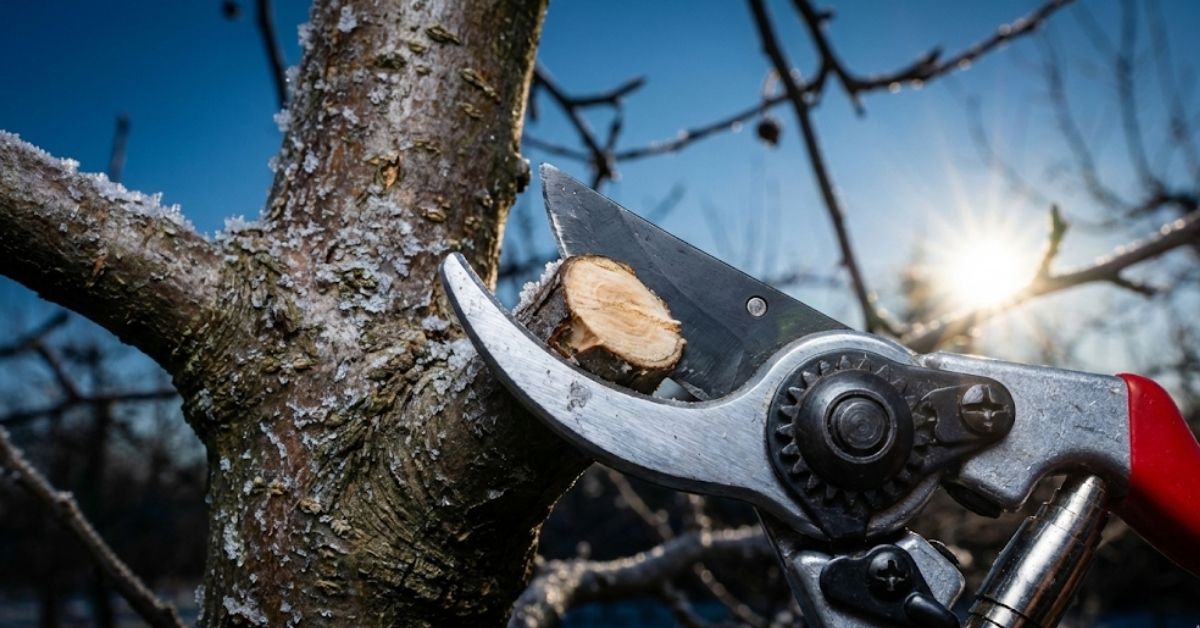
I was driving through the neighborhood yesterday and saw my neighbor, Dave, out in his yard with a pair of loppers and a look of dangerous determination. It’s barely the first week of January, and the man is already trying to scalp his maple trees. I nearly rolled down my window to yell, but my coffee was too hot and the wind was too cold.
Look, I get it. You’re stuck inside, the yard looks like a grey wasteland, and you want to feel productive. You think you’re getting a head start on the spring rush. But taking shears to your trees in the dead of a January freeze is a recipe for disaster. You aren’t “helping” them; you’re leaving open wounds in the middle of a literal ice box.
At fitforyard.com, we focus on results, not just looking busy. Dormant pruning is a powerful tool, but timing is everything. If you cut too early, you risk “dieback” where the cold kills the wood around the cut. If you wait until February, you hit that perfect sweet spot right before the sap starts to run.
Is February a good month for pruning?
February is the ideal month for dormant pruning because the harshest winter freezes have usually passed, but the trees haven’t yet started their spring growth. Pruning in late winter allows wounds to heal quickly as soon as the sap begins to flow in March, preventing disease and pest infestations.
The danger of the January “itch”
Most people think trees are basically dead in the winter. They aren’t. They’re just sleeping. When you prune a tree, you’re creating a wound. In the spring, the tree sends out sap and cells to seal that wound. In January, that tree is in a deep “coma.”
If we get a brutal cold snap—which happens every single year in the US—that open cut can freeze. The moisture inside the wood expands, cracks the bark, and kills the branch further back than you intended. I get why this is confusing. Most people were taught that winter is just winter. But there is a huge difference between the “Deep Freeze” of January and the “Late Dormancy” of February.
1. Fruit Trees (Apples and Pears)
If you want a harvest that doesn’t look like shriveled marbles, you have to prune your fruit trees. But don’t you dare touch them until the ground starts to think about thawing. Pruning fruit trees in winter is essential for light penetration and air flow, but doing it in early January can stress the tree so much it skips its fruit cycle entirely.
Apple and pear trees need that late-winter haircut to encourage strong “fruiting spurs.” Wait until February 2026. By then, the tree is just starting to stir. Your cuts will trigger a vigorous response instead of a slow, freezing death for the branch tips.
2. Oak Trees (The “Oak Wilt” Warning)
This one is non-negotiable. If you live in the Midwest or Texas, you know about Oak Wilt. It’s a fungus spread by beetles that love the smell of fresh wood. According to the USDA Forest Service, you should never prune oaks during the growing season.
While winter is the “safe” time, I tell folks to wait for February. Why? Because you want the shortest possible window between the cut and the spring heal. If you prune an oak in early December or January, that wound sits open and vulnerable for months. February gives you the safety of the cold with the proximity of the spring healing surge.
Pruning Priority List for February 2026
| Tree/Shrub Type | Why Wait Until Feb? | Goal of Pruning |
| Apple/Pear Trees | Avoids tip dieback from deep freezes. | Better fruit size and air flow. |
| Oak Trees | Shortens wound exposure before sap flow. | Prevention of Oak Wilt fungus. |
| Summer Spirea | Prevents frost damage to new bud sites. | Encourages massive summer blooms. |
| Crepe Myrtles | Early pruning leads to “freeze cracks.” | Maintaining shape without stress. |
| Honey Locust | Reduces risk of canker infections. | Structural thinning. |
3. Summer-Blooming Shrubs (Like Crepe Myrtles)
In the South, people love to commit “Crepe Murder” by chopping their trees into ugly stumps in January. It’s a tragedy. These trees bloom on “new wood,” meaning they grow the branches that hold the flowers in the same year they bloom.
If you prune them in February, you’re perfectly timed. If you do it in January and we get a late-month warm spell followed by a hard freeze, the tree might try to push new growth too early. That new growth will turn to mush the second the temperature drops again. Be patient.
4. Maples and Birches (The “Bleeders”)
Maples, birches, and walnuts are famous for “bleeding” sap if you cut them too late. While this sap-run doesn’t usually kill the tree, it looks like a mess and can attract bugs you don’t want.
However, pruning them in the middle of a January arctic blast is too harsh on the wood. I’ve seen maple bark split wide open from a January cut. Wait until the very end of February. You might see a little sap, but the tree’s internal systems will be ready to handle the change. It’s about balance, not just convenience.
5. Overgrown Hedges (Privet and Boxwood)
If your hedges look like they’re trying to swallow your house, you probably need a “rejuvenation prune.” This is where you cut them back hard to encourage new, thick growth from the base.
Don’t do this in January. A hedge that has been cut back to the bone has no protection against the wind and snow. By waiting until February, you ensure that the “scaffolding” of the plant isn’t exposed to the harshest thirty days of the year. You can read more about winter garden care and how to handle these hard cuts on our updates page.
The “Bleeders” and “Bloomers” Comparison
| Tree Category | Common Examples | Best Pruning Strategy |
| Spring Bloomers | Dogwood, Redbud, Lilac | Wait! Prune only after flowers fade in spring. |
| Summer Bloomers | Crepe Myrtle, Rose of Sharon | Prune in late February to boost growth. |
| Sap Bleeders | Maple, Birch, Walnut | Prune in late February or late summer. |
| Structural Shade | Oak, Ash, Elm | Deep dormant pruning in February. |
Tools of the Trade (Don’t use rusty junk)
Before you head out in February, check your tools. I’m tired of seeing people try to prune a two-inch limb with a pair of kitchen scissors or a rusty saw they found in the dirt. Clean your tools with a little rubbing alcohol to prevent spreading disease between trees. You wouldn’t want a doctor using a dirty scalpel on you; don’t do it to your trees.
If you’re dealing with lawn moss issues while you’re out there, take note of the shade patterns. Pruning in February is the best time to thin out a canopy to let more light hit your grass, which helps kill off that moss naturally.
Quick Answers (Because I Know You’ll Ask)
Is it okay to prune trees in January? It’s usually too early. Most experts and university extension offices suggest waiting until late winter to avoid dieback caused by extreme cold hitting fresh cuts.
What trees should not be pruned in winter? Anything that blooms in early spring (like Dogwoods or Lilacs). If you prune them now, you’re cutting off all of this year’s flowers.
What happens if you prune a tree at the wrong time? You can cause “bleeding,” invite pests, or stress the tree so much that it becomes susceptible to disease or fails to fruit.
Is February a good month for pruning? Yes, it is the gold standard for dormant pruning. It offers the best recovery time for the tree.
Do you prune trees before or after they bloom? If they bloom in spring, prune after. If they bloom in summer, prune in late winter (February).
Should I prune my trees now or wait for spring? Wait for late winter (February). Once the leaves start to bud out in spring, you’ve waited too long and will stress the tree.
Closing thoughts
I know the shears are calling your name. I know you want to get out of the house. But your trees have been through enough this year with the weird weather and the pests. Give them another few weeks of undisturbed sleep.
February 2026 will be here before you know it. When it arrives, your trees will be ready for a trim that actually helps them grow stronger. For more honest, no-nonsense advice on keeping your yard from falling apart, keep an eye on our News category. We’ll be here to make sure you don’t do anything Dave would do.
Put the loppers down, grab another coffee, and wait for the thaw. Your yard will thank you in July.
Also Read:
- Winter Mulching 101: Why Your Garden Beds Need Protection Now
- The 60ml Washing Up Liquid Secret: Kill Lawn Moss in 24 Hours
- Tired of Your Yard Dying? Why 2026 is the Year of ‘Climate-Resilient’ Backyards (and How to Fix Yours)
- Gardeners Urged to Pour Dish Soap on Lawns This January: Here’s Why
- The Ultimate Backyard Guide: 137+ Ideas, Designs & Solutions for Your Perfect Outdoor Space (2026)
- Stop Wasting Cash on Your Ugly Yard: 50+ Backyard Ideas That Actually Work
- The Ultimate Global Guide to Moss Removal: How to Get Rid of Moss on Lawns Permanently
- Why Winter Mulching Is The Only Thing Standing Between You And A Dead Garden
- Your Yard is a Swamp: Fixing Standing Water in Your Backyard (5 DIY Solutions)
- Your Sprinklers Are About to Explode: How to Prevent Frozen Pipes in Your Garden Sprinkler System (Winter Guide)
- How to Protect Plants from Freezing Rain: An Emergency Guide for Your Garden
- Burgundy Bows Are Taking Over Porches (And Why I’m Not Mad About It)