Gardeners Urged to Pour Dish Soap on Lawns This January: Here’s Why
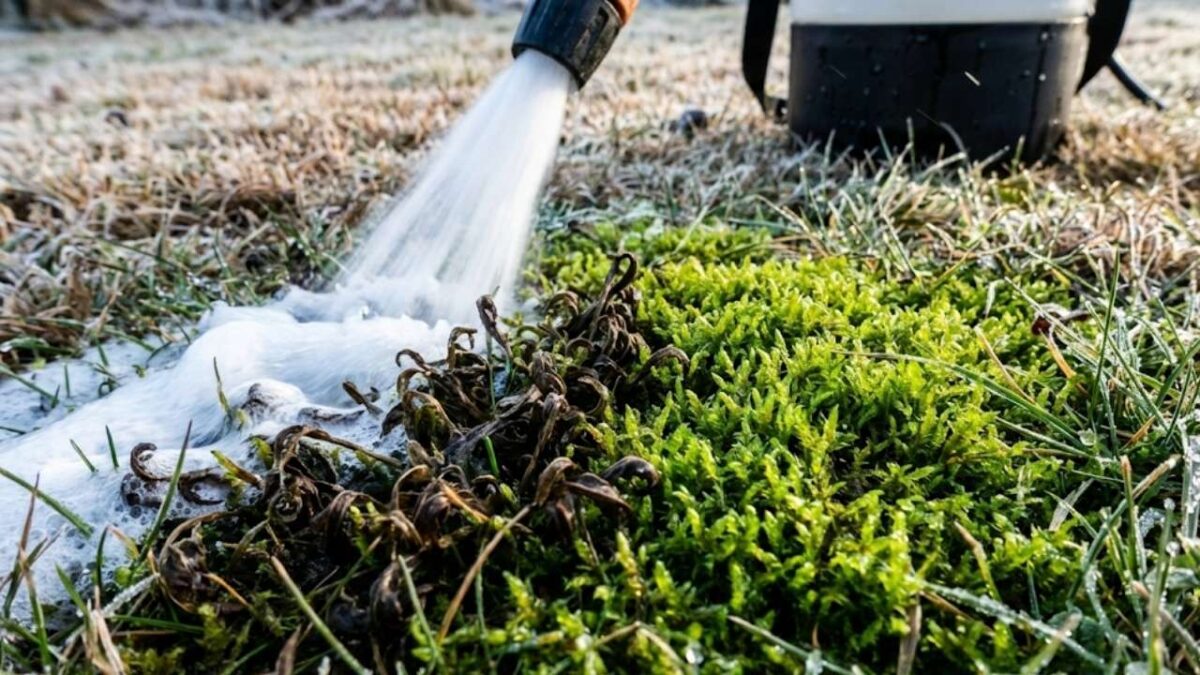
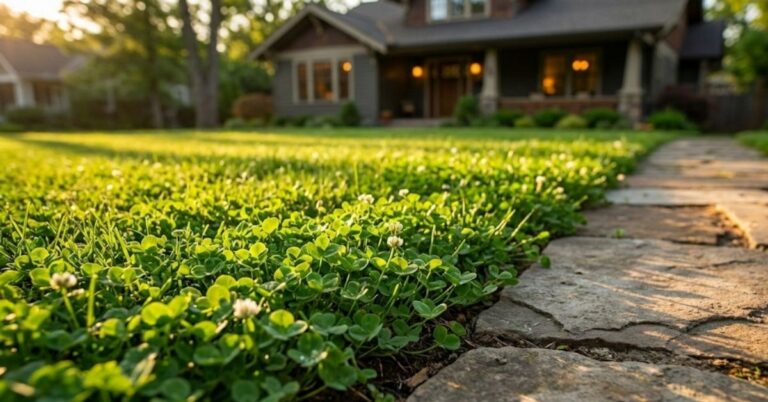
January is a miserable month for a lawn. Most people think their yard is “sleeping,” but if you live in the Pacific Northwest, the South, or anywhere with a bit of winter rain, something else is wide awake: Moss. It’s that spongy, lime-green carpet that slowly eats your grass’s lunch while you’re inside drinking coffee.
I’ve spent decades looking at yards, and nothing irritates me more than the overpriced, “professional” moss killers sold at big-box stores. They charge you $40 for a bag of iron sulfate that stains your concrete orange and doesn’t even do a better job than what’s sitting under your kitchen sink. That’s why I tell folks to head to the kitchen. You can find more real-world advice on fitforyard.com to keep your space looking decent without going broke.
Does dish soap kill moss on grass?
Yes, dish soap kills moss on grass by acting as a desiccant. Moss doesn’t have roots; it absorbs moisture through its leaves. The soap breaks down the moss’s ability to hold water, causing it to dry out and turn brown within 24 to 48 hours without harming dormant grass.
Why January is the hidden window for moss control
January isn’t just for New Year’s resolutions you won’t keep. It’s actually the best time to handle moss. In most of the US, your grass is dormant. It’s tough, it’s resting, and it’s not easily bothered. Moss, however, is in its prime. It loves the 40-degree rain and the low sun.
If you wait until spring, the moss has already spread its spores. By hitting it now with a dish soap on lawn treatment, you stop the spread before the grass wakes up and needs that space. It’s about clearing the competition before the race starts in April.
The science (The simple version)
Moss is a primitive plant. It doesn’t have a vascular system like your oak trees or your Kentucky Bluegrass. It’s basically a sponge. When you spray it with a mixture of water and dish soap, the soap acts as a surfactant. It breaks the surface tension of the water, allowing it to penetrate the moss deeply, but then it strips away the waxy coating the moss uses to stay hydrated.
So, you aren’t “poisoning” it in the traditional sense. You’re just making it impossible for the moss to hold onto water. It dries out and dies.
Dish Soap vs. Commercial Moss Killers
| Feature | Liquid Dish Soap | Commercial Chemical (Iron) |
| Average Cost | $1.00 – $3.00 per application | $25.00 – $50.00 per bag |
| Concrete Staining | None (Safe for walkways) | High risk of orange rust stains |
| Speed of Result | 24 – 48 hours | 3 – 5 days |
| Safety | Biodegradable (Safe for pets) | Can be harsh on paws and skin |
| Ease of Use | Simple spray bottle | Requires a spreader or heavy hose |
How to use dish soap for lawn moss correctly
Don’t just go out there and squirt a bottle of Joy on your grass like you’re washing a greasy pan. There’s a method to this madness. You need the right ratio so you don’t irritate the soil.
The FitForYard Moss-Buster Recipe:
- Water: 1 gallon (approx 4 liters)
- Dish Soap: 2 to 4 ounces (60ml to 120ml)
- Tools: A standard hand-pump garden sprayer
Step-by-Step Instructions
| Step | Action | Why it matters |
| 1 | Check the weather | You need at least 24 hours of no rain so the soap stays on the moss. |
| 2 | Mix the solution | Add water first, then soap, so you don’t get a mountain of bubbles. |
| 3 | Drench the moss | Don’t just mist it. Soak the moss patches until they are dripping. |
| 4 | Wait 48 hours | The moss will turn a weird orangey-brown color. This means it’s dead. |
| 5 | Rake it out | Dead moss won’t disappear on its own. You have to rake it up. |
Is dish soap safe for grass?
I get asked this a lot. People are worried they’re going to end up with a brown, soapy wasteland. Look, if you use a standard, non-degreasing dish soap (like plain Dawn or Ivory), your grass will be fine. Most “liquid dish soap for moss control” advice is safe because grass has a deep root system and a protective cuticle that moss lacks.
However, don’t use the heavy-duty stuff meant for industrial degreasing or anything with “antibacterial” junk in it. We want to dry out the moss, not kill every beneficial microbe in your dirt. Also, keep this trick for the winter. If you do this in the middle of a 95-degree July day, you will scorch your grass. Stick to the cold months.
A quick warning about drainage
Moss doesn’t just show up for fun. It’s a symptom. Usually, it means your soil is too compacted, too acidic, or has terrible drainage. If you have water standing around, moss will come back every year no matter how much soap you use.
While you’re raking out that dead moss in January, take a look at the soil slope. If the water has nowhere to go, your soil stays soggy. You might need to aerate in the spring to fix the drainage issues so the moss doesn’t have a “Welcome Home” mat waiting for it next winter. You can read more about soil health in our recent post on essential yard tasks.
Quick Answers (Because I Know You’ll Ask)
Does dish soap kill moss on grass? It sure does. It dries the moss out by breaking down its ability to hold moisture. It’s one of the cheapest and most effective ways to spot-treat moss patches in a lawn.
Is it safe to put dish soap on your lawn? Yes, provided you use a mild soap and don’t overdo it. It’s biodegradable and won’t harm the grass roots, especially during the winter when the grass is dormant.
How much dish soap do I mix with water for moss? Mix about 2 to 4 ounces of soap per gallon of water. That’s roughly 60ml to 120ml for those of you using liters. More isn’t always better; you just need enough to coat the plant.
What is the best month to kill moss in the lawn? January and February are the sweet spots. The moss is active, the grass is sleeping, and the cool weather prevents the soap from evaporating too quickly.
Does dish soap harm grass? Not if you use it in the winter. In the summer heat, it can cause “phytotoxicity” (basically a chemical sunburn), so keep your soapy adventures restricted to the cool months.
How long does it take for dish soap to kill moss? You’ll see it start to turn brown in 24 hours. By 48 hours, it should be completely dried out and ready to be raked away.
Why you should trust this (and not the commercials)
University extension services, like Oregon State University and Penn State, have noted for years that surfactants—which is what dish soap is—are effective at managing moss. It’s not a “miracle,” it’s just basic plant biology. The chemical companies don’t want you to know this because they can’t patent Dawn and sell it to you for $50 a bag.
I’m tired of seeing homeowners get fleeced. Take care of your yard, but do it smart. If you want more updates on how to manage your backyard without losing your mind, check out our News category for the latest tips.
Stay warm, keep the sprayer ready, and let’s get that moss out of there before spring hits.
Also Read:
The Ultimate Backyard Guide: 137+ Ideas, Designs & Solutions for Your Perfect Outdoor Space (2026)
Stop Wasting Cash on Your Ugly Yard: 50+ Backyard Ideas That Actually Work
The Ultimate Global Guide to Moss Removal: How to Get Rid of Moss on Lawns Permanently
Why Winter Mulching Is The Only Thing Standing Between You And A Dead Garden
The “No-Guess” Guide To Soil Calculation: Stop Wasting Cash At The Garden Center
89 Facts About Squirrels: Stop Letting These Furry Bandits Rob Your Yard
Stop Getting Robbed at the Grocery Store: The Best Plants for Hydroponic Tower Success
Stop Renting Your Salad: The Ultimate DIY Guide to Making a Hydroponic Tower