The Ultimate Global Guide to Moss Removal: How to Get Rid of Moss on Lawns Permanently
I’ve been staring at my lawn in the Pacific Northwest this week and it looks like a soggy green sponge. It’s wet. It’s annoying. Moss is taking over like a fuzzy blanket that nobody asked for. Most big companies want you to spend $50 on a tiny bag of chemicals. It’s a total rip-off.
How to Get Rid of Moss on Lawns: Quick Answer
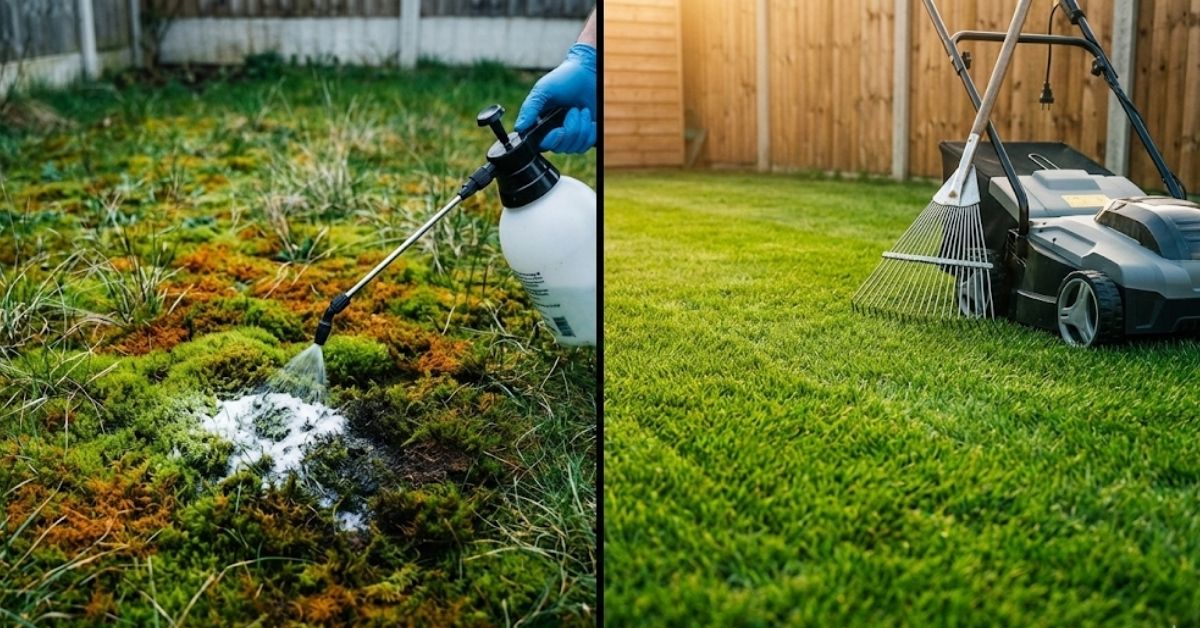
To get rid of moss on your lawn, mix 60ml of liquid dish soap into 4.5 liters of water and spray it directly onto the moss patches. The solution dehydrates the moss within 24 hours so that it turns brown and dies, allowing for easy raking.
Why You Have a Moss Problem
Moss doesn’t just show up for fun. It loves your mistakes. If your soil is too tight, air can’t get in. Moss thrives because it doesn’t need deep roots like grass does. You probably have too much shade or your ground stays soaking wet all winter.
The 4 Main Causes of Lawn Moss
| Cause | Why Moss Loves It | How to Fix It |
|---|---|---|
| Compacted Soil | Blocks air and water, weakens grass | Core aerate annually in spring or fall |
| Acidic Soil (pH below 6.0) | Grass struggles, moss thrives | Apply lime to raise pH to 6.5-7.0 |
| Poor Drainage | Standing water creates perfect conditions | Install French drain or improve grading |
| Too Much Shade | Grass needs 6+ hours sun, moss needs minimal light | Trim tree branches, thin canopy |
The Cheap Dish Soap Trick That Actually Works
I tried the “Washing up liquid” trick people in the UK are raving about. It actually works. You don’t need fancy brands. Just grab some Dawn or Fairy liquid. Mix it up and soak the green spots. Within a day, that bright green moss turns a disgusting orange-brown color.
DIY Moss Killer Recipe
Ingredients:
- 60ml (4 tablespoons) liquid dish soap
- 4.5 liters (1 gallon) water
- Garden spray bottle or pump sprayer
Instructions:
- Mix soap and water thoroughly
- Spray directly on moss patches until saturated
- Wait 24 hours for moss to turn brown
- Rake out dead moss completely
- Reseed bare patches immediately
Why Soap Kills Moss Fast
Soap is a surfactant. It breaks down the waxy layer on the moss. Once that’s gone, the plant can’t hold water. It dries out and dies because it has no way to stay hydrated. It’s a simple cause-and-effect that saves you a lot of money.
The Complete Moss Removal Process
Step 1: Kill the Moss
Choose your method based on moss severity:
| Method | Best For | Cost | Effectiveness | Time to Work |
|---|---|---|---|---|
| Dish Soap Solution | Light to moderate moss | $3-5 | 85% | 24 hours |
| Iron Sulfate (Ferrous Sulfate) | Heavy moss infestations | $15-25 | 95% | 3-4 hours |
| Commercial Moss Killer | Convenience seekers | $30-50 | 90% | 1-3 days |
Step 2: Rake It Out (Scarifying)
Once it’s dead, you can’t just leave it there. You have to get a metal rake and scratch it out. This is called scarifying. If you leave the dead moss, it turns into thatch. New grass seeds won’t be able to touch the dirt so they won’t grow.
Raking Tools Comparison:
| Tool Type | Effort Level | Coverage Speed | Best Use Case |
|---|---|---|---|
| Thatch Rake | High | Slow | Small areas, spot treatment |
| Bow Rake | High | Medium | Medium lawns, tough moss |
| Electric Scarifier | Low | Fast | Large lawns, annual maintenance |
| Manual Scarifier | Medium | Medium | Budget option for medium lawns |
Step 3: Fix the Root Cause
You can’t just kill it and hope it stays gone. You need to check your dirt. Most moss loves acidic soil. If your ground is too sour, the grass stays weak.
Soil pH Testing & Correction:
| Soil pH | Condition | Grass Health | Moss Risk | Solution |
|---|---|---|---|---|
| Below 5.5 | Very Acidic | Very Poor | Extreme | Apply 50 lbs lime per 1,000 sq ft |
| 5.5-6.0 | Acidic | Poor | High | Apply 25 lbs lime per 1,000 sq ft |
| 6.0-7.0 | Ideal | Excellent | Low | Maintain with annual testing |
| Above 7.5 | Alkaline | Poor | Low (different issues) | Apply sulfur to lower pH |
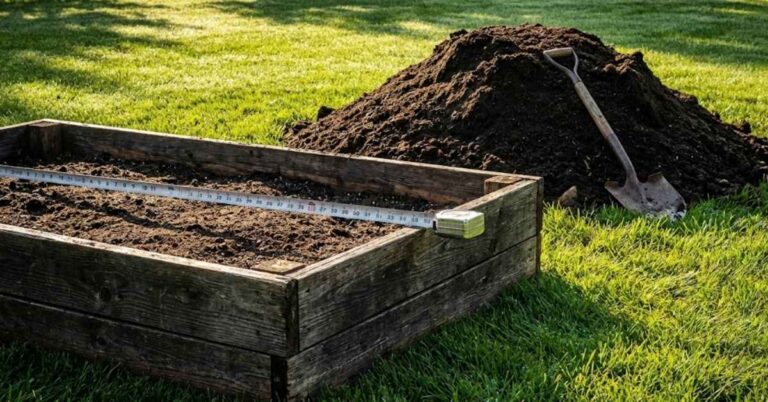
Use a soil calculator to figure out how much lime you need to fix the pH balance.
Step 4: Improve Drainage
Puddles are moss magnets. If your yard is flat and holds water, you’re in trouble. You might need to dig a trench or add some gravel.
Drainage Solutions by Yard Size:
| Solution | Best For | DIY Difficulty | Cost Range |
|---|---|---|---|
| French Drain | Persistent wet spots | Medium | $300-1,500 |
| Grading/Sloping | Flat yards with pooling | Hard | $500-2,000 |
| Dry Well | Isolated problem areas | Medium | $200-800 |
| Aeration | Compacted soil | Easy | $50-200 |
If you’re building a small retaining wall to help with slope, use a concrete calculator to get your supplies right.
Regional Moss Control Strategies for 2026
Different climates require different approaches:
Regional Moss Battle Calendar
| Region | Peak Moss Season | Best Treatment Time | Primary Challenge |
|---|---|---|---|
| Pacific Northwest (USA) | Oct-April | Sept-Oct or March | Year-round moisture |
| UK & Ireland | Year-round | Sept-Nov | Constant damp, shade |
| Northeast USA/Canada | March-May, Oct-Nov | April or Sept | Spring thaw, fall rains |
| Southeast USA | Winter (Dec-Feb) | Nov-Dec | Humid winters, shade |
| Australia (Southern) | June-Sept (winter) | May-June | Winter rains |
In the UK, the RHS says November is the last call for moss control. In the USA, places like Oregon and Washington are seeing record moss growth this December/January. Canada is also seeing moss creep in before the deep freeze hits.
Best Grass Types to Prevent Moss
I’ve spent years testing different seeds in the shade. Most people just buy the cheapest bag at the big-box store. That’s a mistake. If your grass is weak, moss wins.
Grass Selection by Region & Conditions
| Region | Full Sun | Partial Shade | Heavy Shade | Special Notes |
|---|---|---|---|---|
| Northern USA/Canada | Kentucky Bluegrass | Fine Fescue | Shade Mix (80% Fescue) | Avoid cheap “contractor mix” |
| UK/Europe | Perennial Ryegrass | Red Fescue | Shade & Wear Mix | Look for 40%+ Fescue content |
| Australia | Couch/Bermuda | Sir Walter Buffalo | Buffalo (kept long) | Buffalo handles shade better |
| Transitional Zones | Tall Fescue | Tall Fescue | Fine Fescue + Tall Fescue | Most versatile option |
USA and Canada: The Cold Climate Challenge
In the Northern US and Canada, you’re likely dealing with cold winters and damp springs. Kentucky Bluegrass is famous, but it’s a sunlight hog. If you have trees, it’ll thin out and moss will move in. I recommend Fine Fescues for shady spots. They don’t need much and they grow slow. Because they handle shade better, moss doesn’t have an open spot to start growing.
UK and Europe: The Damp Lawn Struggle
If you’re in the UK, your lawn is probably wet for six months a year. Perennial Ryegrass is the standard here. It’s tough. But for those mossy corners, look for “Shade and Wear” mixes. These usually have a lot of Red Fescue. This grass stays thick even when the sun hides behind the clouds for weeks.
Australia: Shade and Heat Battle
Down under, it’s a different game. You’re likely using Buffalo or Couch grass. Buffalo grass (like Sir Walter) is much better for those shady spots near the house. If you use Couch in the shade, it’ll die back. Then, the winter rains will bring the moss in fast. Keep your Buffalo grass a bit longer in the shade so that it has more leaf area for photosynthesis.
Advanced Tools & Chemical Solutions
Sometimes the dish soap trick doesn’t work on really thick moss. This usually happens in very wet places like Western Washington or the UK. You might need something stronger.
Moss Control Products Comparison
| Product Type | Active Ingredient | Speed | Safety | Coverage | Price |
|---|---|---|---|---|---|
| Dish Soap | Surfactants | 24 hrs | Very Safe | 500 sq ft/gallon | $3 |
| Iron Sulfate | Ferrous Sulfate 20% | 3-4 hrs | Moderate (stains) | 1,000 sq ft/lb | $15 |
| Moss Out | Iron/Zinc Sulfate | 12 hrs | Moderate | Variable | $30 |
| Scotts Moss Control | Iron 10% + Fertilizer | 24 hrs | Safe | 5,000 sq ft/bag | $45 |
How Iron Sulfate Kills Moss
Iron is like poison to moss but it’s like a vitamin for your grass. When you spray it, the moss turns jet black within hours. The grass will actually turn a deep, dark green. It’s a win-win because you kill the enemy and feed your lawn at the same time.
Iron Sulfate Application Guide:
- Mix 3 ounces per gallon of water for liquid spray
- Or apply 5 lbs per 1,000 sq ft as granular
- Water in lightly after application
- Warning: Stains concrete permanently—cover all hardscaping
- Wait 7-10 days before raking out blackened moss
Essential Tools Buying Guide
| Tool | When You Need It | Budget Option | Premium Option | Rental? |
|---|---|---|---|---|
| Thatch Rake | Always | $15-25 | $40-60 | No |
| Pump Sprayer | For liquid treatments | $20 | $50-80 | No |
| Electric Scarifier | Lawns over 1,000 sq ft | $150-200 | $400-800 | Yes ($50/day) |
| Core Aerator | Annual maintenance | N/A | $250-400 | Yes ($75/day) |
| Soil Test Kit | Before any treatment | $10 | $30 | No |
Lawn Maintenance Schedule to Prevent Moss
You can’t just fight moss once and quit. You need a plan.
Your Year-Round Moss Prevention Calendar
| Season | Critical Tasks | Why It Matters |
|---|---|---|
| Spring (March-May) | Aerate, overseed bare spots, apply fertilizer | Strengthen grass before summer stress |
| Summer (June-Aug) | Water deeply 1-2x/week, mow high (3-4″) | Deep roots prevent moss conditions |
| Fall (Sept-Nov) | MAIN BATTLE: Kill moss, rake, lime, overseed | Moss is active, grass still growing |
| Winter (Dec-Feb) | Remove leaves weekly, avoid foot traffic | Prevent moisture buildup, soil compaction |
Monthly Mowing Heights for Moss Prevention
| Grass Type | Spring | Summer | Fall | Winter |
|---|---|---|---|---|
| Cool Season (Fescue, Ryegrass, Bluegrass) | 3.0″ | 3.5-4.0″ | 2.5-3.0″ | 2.5″ |
| Warm Season (Buffalo, Bermuda, Zoysia) | 2.0″ | 2.5-3.0″ | 2.0″ | Dormant |
Stop cutting your grass so short. I see neighbors doing this all the time. They scalp the lawn and then wonder why moss takes over. High grass shades the soil and keeps it cooler. But more importantly, it makes the grass stronger.
The Environmental Side of Moss Control
I’m worried about the birds and the bees in my yard. Most big chemical companies don’t care about your local ecosystem. They just want your money.
Eco-Friendly Moss Control Hierarchy
Level 1 – Cultural Controls (Best):
- Improve drainage naturally
- Increase sunlight through pruning
- Adjust soil pH with lime
- Aerate and overseed
Level 2 – Mechanical Removal:
- Manual raking and scarifying
- Power raking/dethatching
- No chemicals needed
Level 3 – Low-Impact Treatments:
- Dish soap solution (biodegrades quickly)
- Iron sulfate (becomes plant nutrient)
Level 4 – Chemical Treatments (Last Resort):
- Commercial moss killers
- Use only when necessary
- Follow all label instructions
Preventing Chemical Runoff
When you use a lot of chemicals, the rain washes them away. This is called runoff. It ends up in local streams and ponds. It can kill fish or cause algae blooms. Because soap breaks down quickly, it’s much safer. Always check the weather. Don’t spray anything right before a massive storm or you’re just throwing your money into the sewer.
Runoff Prevention Checklist:
- ✓ Check 48-hour weather forecast before application
- ✓ Never apply before heavy rain predicted
- ✓ Cover storm drains during treatment
- ✓ Water in lightly, don’t saturate
- ✓ Keep 10-foot buffer from water features
Cost Analysis: DIY vs. Professional
Complete Moss Removal Cost Breakdown
| Approach | Materials | Time Investment | Total Cost | Success Rate |
|---|---|---|---|---|
| Full DIY (Soap Method) | $15-30 | 6-8 hours | $15-30 | 75-85% |
| DIY with Iron Sulfate | $50-100 | 4-6 hours | $50-100 | 90-95% |
| Rental Equipment DIY | $150-200 | 3-4 hours | $150-200 | 95% |
| Professional Service | Included | 0 hours | $300-500 | 95%+ |
ROI Calculation for 1,000 sq ft lawn:
- DIY Cost: $75 total
- Professional Cost: $400 average
- Savings: $325 (81% less)
The cost of a bad lawn goes beyond money. If you let moss take over, your property value goes down. It looks messy. If you’re planning to sell your house, a mossy lawn is a red flag for buyers. Spending $10 on soap now can save you thousands in landscaping costs later.
Quick Reference FAQs
Does dish soap kill moss permanently?
No. It kills the moss that is there now. If you don’t fix the shade, drainage, or soil pH, the moss will just come back next year. It’s a temporary fix for a long-term problem.
When is the best time to apply moss killer?
Late fall or early spring is best. This is when moss is growing the fastest. You want to hit it when it’s active so that the soap or chemical can soak in easily.
Will moss grow back if I don’t rake it?
Yes. Dead moss creates a thick layer called thatch. This layer keeps the ground damp and blocks the sun. New moss will grow right on top of the old dead stuff if you don’t clear it.
Is moss bad for my grass?
It doesn’t kill grass directly. It just out-competes it. Moss is tougher than grass in the shade and wet. It crowds out the grass until there is nothing left but a green carpet of moss.
Can I use vinegar to kill moss on my lawn?
You can, but be careful. Vinegar is an acid. It will kill the moss, but it might kill your grass too. Soap is much safer for the surrounding green blades of grass than vinegar is.
How do I stop moss from coming back?
Aerate your soil and add lime. Make sure the area gets more sun. If the soil is healthy and dry, moss can’t grow. It’s all about making the environment uncomfortable for the moss.
Is dish soap safe for my pets?
Yes, once it’s dry. Most dish soaps are very mild. However, you should always keep your dogs and cats off the lawn while the grass is still wet with the solution. Once it’s soaked in and dried, it’s perfectly fine.
Will moss die in the summer sun?
It doesn’t really die; it just goes dormant. It turns brown and crispy when it’s hot and dry. As soon as the first rain of fall hits, it wakes up and turns green again. You have to kill it, not just wait for the sun.
How much does it cost to fix a mossy lawn?
If you do it yourself with soap and a rake, it costs less than $20. If you hire a pro to scarify and treat the lawn, they might charge you $300 to $500 depending on the size of your yard.
Can I use a pressure washer on lawn moss?
I wouldn’t. It usually just blasts the moss into your neighbor’s yard and makes a muddy mess. It can also tear up your grass and ruin the soil structure. Stick to a rake and a sprayer.
Does moss mean my soil is bad?
Not necessarily “bad,” just out of balance. It usually means your soil is too acidic or too compact. It’s a message from your yard telling you that the grass isn’t happy. Listen to the signs.
Special Situations: Pool Areas, Driveways & Garden Beds
Moss Near Your Pool Deck
Moss loves the concrete around pools because it’s always damp. If you’re treating the area near your water, be careful with chemicals. If you need to refill or treat your water after cleaning, a pool volume calculator helps you get the balance right.
I see a lot of moss growing in the cracks of pool decks. It’s slippery and dangerous for kids. You can use the soap spray here too. Just don’t let the soapy runoff get into your pool water. If it does, you’ll have a bubble bath instead of a swimming pool.
Protecting Your Garden Beds
Moss doesn’t just stay on the grass. It’ll jump into your flower beds too. I use a thick layer of mulch to stop this. It blocks the light so moss spores can’t get started. If you’re not sure how much you need for your garden beds, a mulch calculator will save you a trip back to the store.
Garden Bed Moss Prevention:
- Apply 3-4 inch layer of mulch
- Use shredded hardwood or pine bark
- Refresh annually each spring
- Ensure good bed drainage
Winter Protection Strategy
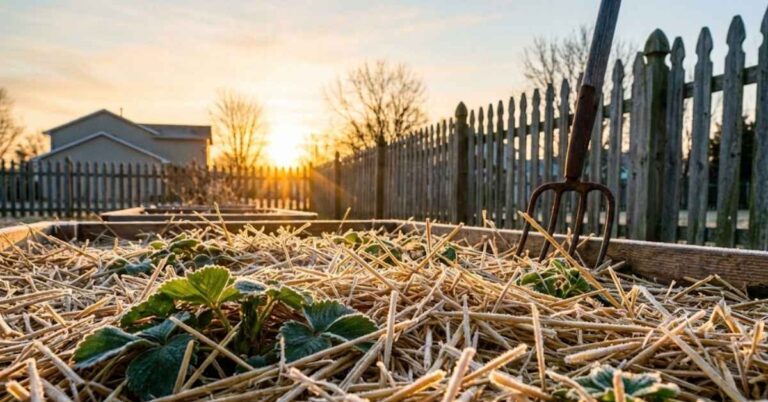
Don’t let leaves sit on your lawn all winter. They trap moisture and block the sun. That’s a “Welcome” sign for moss. Rake them up or mulch them with your mower. If you’re worried about your other plants during a freeze, check our winter mulching guide for frost protection. A clean lawn in January means a moss-free lawn in April.
Final Thoughts: The Fit For Yard Philosophy
Lawn care isn’t a hobby for me—it’s a war. I want my yard to look better than the guy’s next door. Moss is just another hurdle. At Fit For Yard, we think everyone should have the tools to fix their own space. Don’t let the “experts” scare you into spending a fortune.
We believe in simple fixes at Fit For Yard. You don’t always need a pro. Most of the time, a bottle of soap and a good rake are all you need. Just be prepared to sweat a little bit when you start raking that dead stuff up.
Trust the Process
We spend our weekends in the dirt just like you do. At Fit For Yard, we want to make sure you aren’t overspending on your backyard. Whether it’s killing moss with soap or calculating the exact amount of mulch you need, we’ve got the tools to help you do it yourself without the headache.
Scientific Backing:
- Oregon State University Extension confirms soap treatments work temporarily
- University of California IPM notes moss indicates “low fertility”
- RHS (UK) recommends cultural controls over chemicals
The team at Fit For Yard hates seeing people get ripped off by “lawn care specialists.” Most of the time, they just do exactly what I’m telling you to do. They just charge you four times the price for it. You can do this yourself with a little bit of sweat and the right tools.
Resource Links
Helpful Calculators:
- Soil Calculator – Calculate topsoil needs for repairs
- Mulch Calculator – Figure garden bed coverage
- Concrete Calculator – Plan hardscaping projects
- Pool Volume Calculator – Balance pool chemistry