The Hydroponic Tower Bible: Build, Buy, and Grow Your Way to Food Freedom
Gardening is broken. There, I said it. If you’re like most folks in the US, you’ve spent a fortune on bags of dirt, fancy shovels, and organic pesticides. You’ve spent your weekends hunched over, pulling weeds that grow back faster than you can blink. And for what? A few scrawny tomatoes and a head of lettuce that tastes mostly like dust? It’s frustrating. It’s expensive. And honestly, it’s outdated.
I’ve been looking into this for a long time. The solution isn’t more dirt. It’s no dirt at all. The vertical hydroponic system is taking over backyards from California to Maine for a reason. It works. It saves space. It saves water. And it puts food on your table without the back-breaking labor. Welcome to fitforyard.com. Let’s look at why you should stop digging holes and start building towers.
Introduction: Why Your Traditional Garden is Failing You
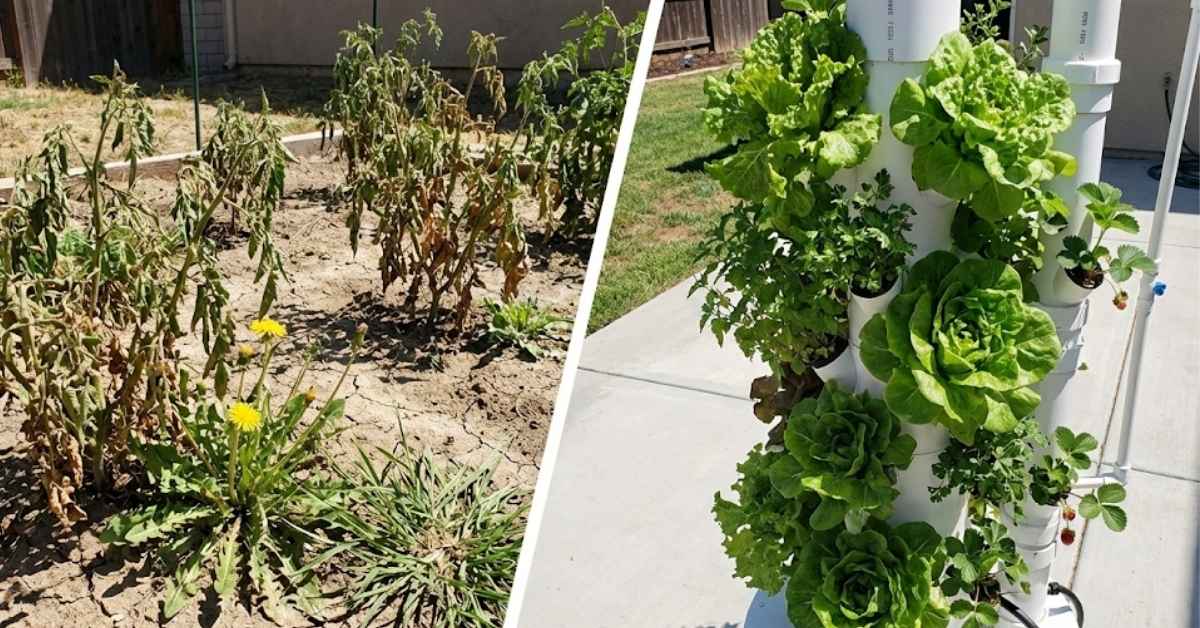
The old-school way of gardening relies on too many variables you can’t control. You can’t control the rain. You can’t control the pH of the soil in your backyard without a chemistry degree. You definitely can’t control the rabbits, deer, and gophers that think your yard is an all-you-can-eat buffet.
In a small space, traditional gardening is even worse. If you have a 10×10 patio, a few pots will take up all your legroom. You end up with a cramped space and very little harvest. A hydroponic tower changes the game. It flips the garden on its side. Instead of 10 feet of horizontal space, you use 2 feet of floor space and go 6 feet up. It’s vertical living for your vegetables. This isn’t just for “preppers” or tech nerds. It’s for anyone who is tired of paying five bucks for a bag of wilted spinach at the grocery store.
Chapter 1: The Basics, How This Science Project Actually Works
Don’t let the word “hydroponics” scare you off. It sounds like something from a sci-fi movie, but it’s actually simpler than soil gardening.
The Mechanism
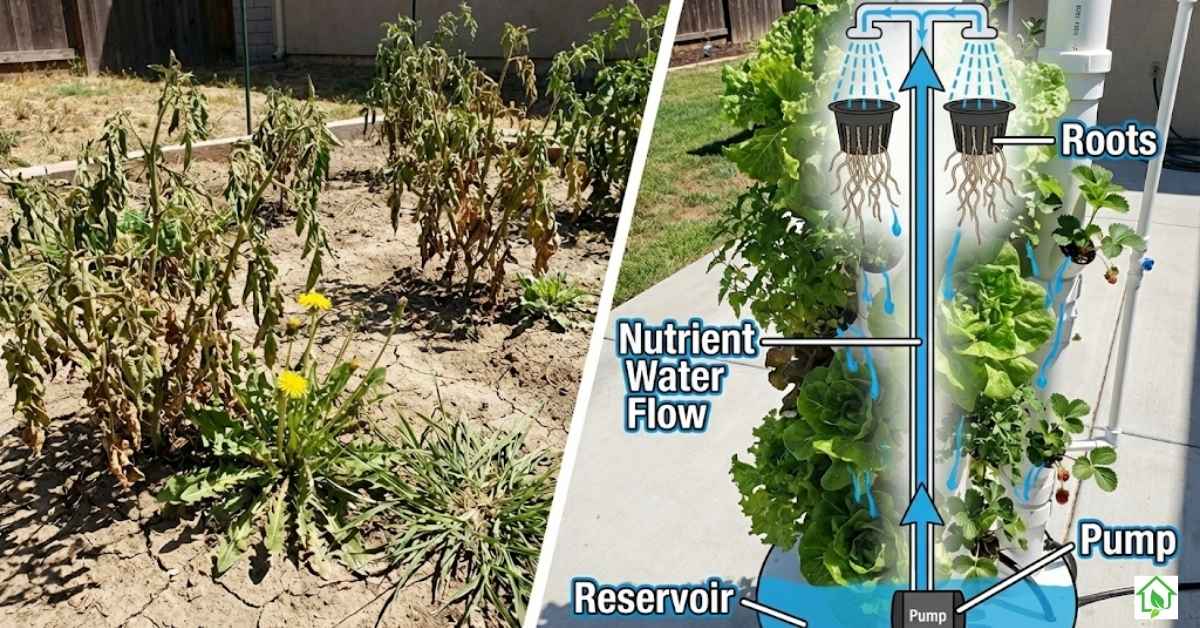
A vertical hydroponic system is basically a plumbing loop. You have a reservoir at the bottom. This is your water tank. Inside that tank, you have a small submersible pump. That pump sends water up a central tube to the very top. Once the water hits the top, gravity does the rest. The water falls down inside the tower, hitting “net pots” where your plants live. The roots hang out in the air inside the tube. As the water trickles down, it bathes the roots in moisture and nutrients.
The Aeroponic Edge
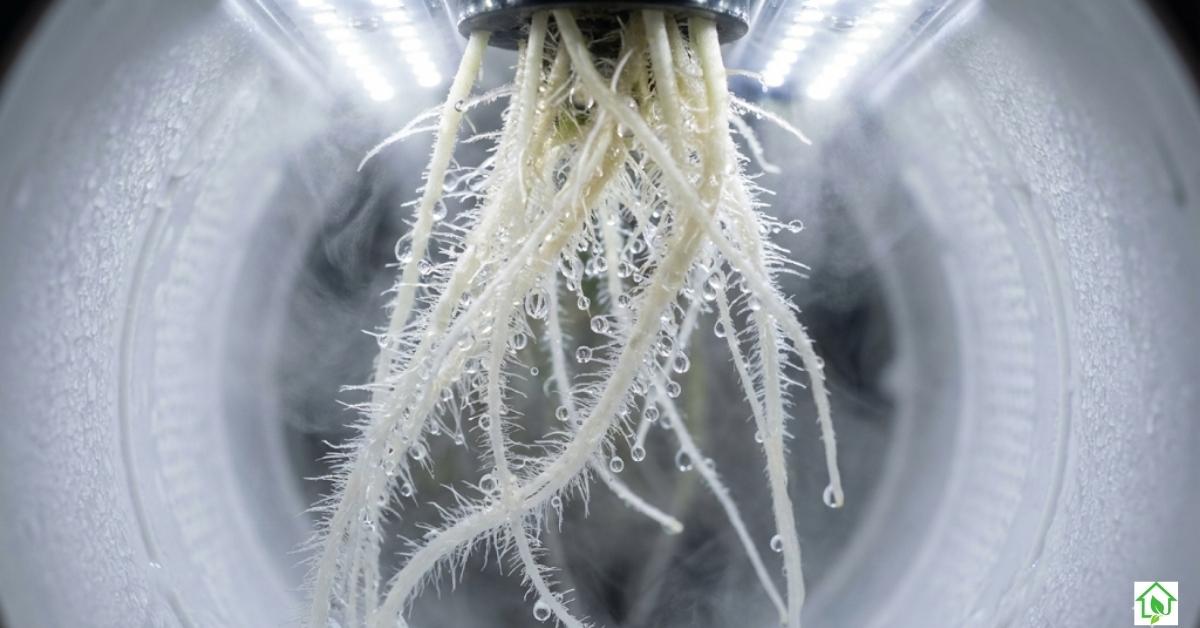
Most of these towers actually use “aeroponics.” Because the roots are hanging in the air rather than sitting in a stagnant tub of water, they get way more oxygen. More oxygen means faster growth. We’re talking 30% to 50% faster than soil.
The Nutrient Solution
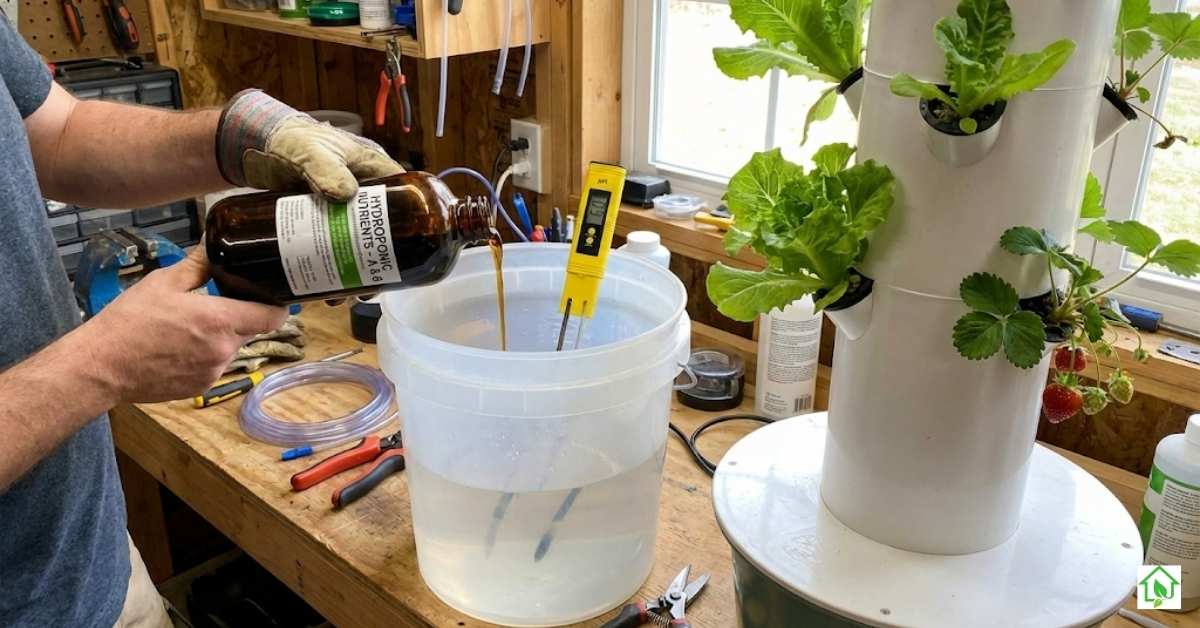
Since there’s no dirt, the plants need food. You add liquid minerals to the water. The plants don’t have to “search” for food like they do in soil. It’s delivered directly to their mouths, so to speak. They spend less energy growing massive root systems and more energy growing leaves and fruit.
Chapter 2: DIY vs. Store-Bought—The Brutal Cost Comparison
I get this question every single day: “Should I just buy one or make one?” There is no right answer, but there is an honest one. It depends on how much you value your time versus your money.
The DIY Hydroponic Tower (The Budget King)
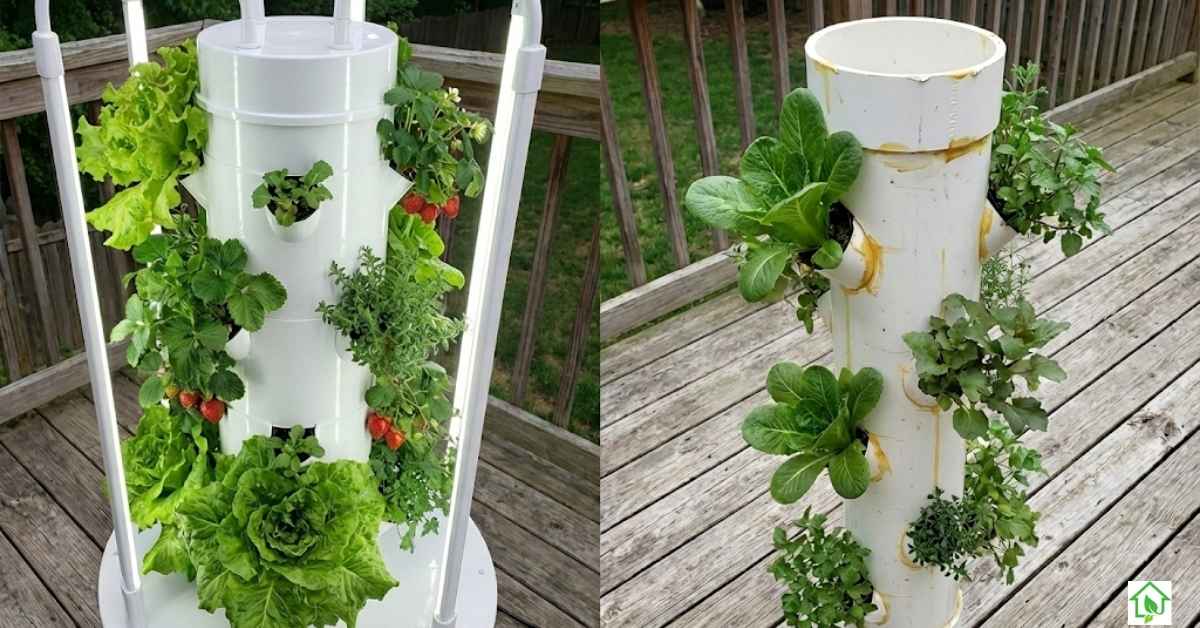
You can go to Home Depot or Lowe’s today and buy a 4-inch or 6-inch PVC pipe. With a heat gun and some patience, you can cut slits in that pipe and bend them out to make pockets.
- The Cost: You’re looking at maybe $50 to $80 for the pipe, the pump, and the bucket.
- The Reality: It’s ugly. Let’s be real. It looks like a piece of plumbing sitting on your porch. Also, PVC isn’t always UV-stabilized. After a summer in the Texas sun, it might get brittle or start leaching stuff you don’t want in your food.
- Who it’s for: The tinkerer who loves a weekend project and wants to grow food for the price of a dinner out.
The Tower Garden Review (The High-End Luxury)
The Tower Garden by Juice Plus is the big name in the industry. It’s made of food-grade, UV-stabilized plastic. It looks sleek.
- The Cost: Be prepared to drop $600 to $800.
- The Reality: It’s a solid system. The design is refined so that water doesn’t splash out, and the timer system is reliable. But you are paying a massive premium for that brand name and the “clean” look.
- Who it’s for: The busy professional who wants a garden that looks like a piece of art and just works out of the box.
Chapter 3: The 3D Printing Revolution—Tech in the Yard
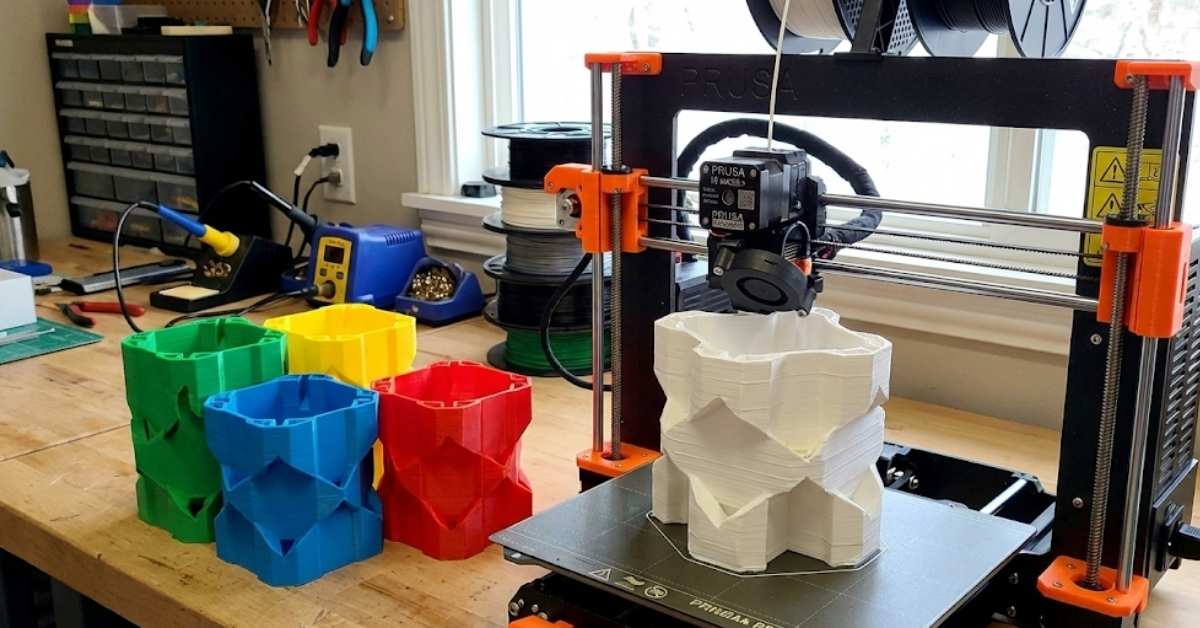
If you have a 3D printer, you are sitting on a gold mine. The newest trend in vertical gardening is modular 3D-printed towers. Instead of one long pipe, you print individual “modules.” You can stack them as high as you want.
Why 3D Printing is Winning
- Modular Design: If one port breaks, you don’t throw away the whole tower. You just print a new 3-inch section.
- Internal Engineering: You can print internal baffles that catch the water and spiral it down. This ensures every single root gets a drink without wasting a drop.
- Filament Choices: You can use PETG filament, which is food-safe and handles the sun better than cheap PVC.
This is the bridge between DIY and High-End. It looks better than PVC and costs way less than a Tower Garden.
Chapter 4: What Can You Actually Grow?

You can’t grow everything in a tower. I’ve seen people try to grow watermelons. Don’t be that person. The weight will snap your tower or tip over. Stick to the winners.
1. Lettuce and Leafy Greens
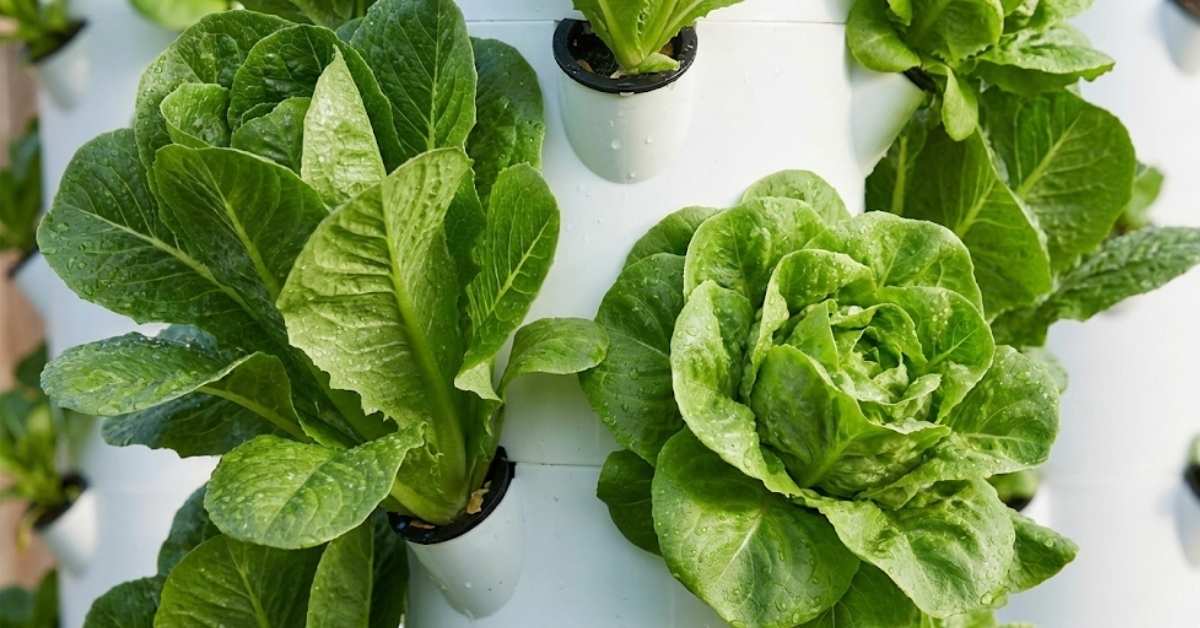
This is where hydroponics shines. Romaine, Bibb, Kale, and Arugula. You can grow a “salad bar” in one tower. The trick is “cut and come again.” Don’t pull the whole plant. Just snip the outer leaves. It’ll keep growing for months.
2. Strawberries
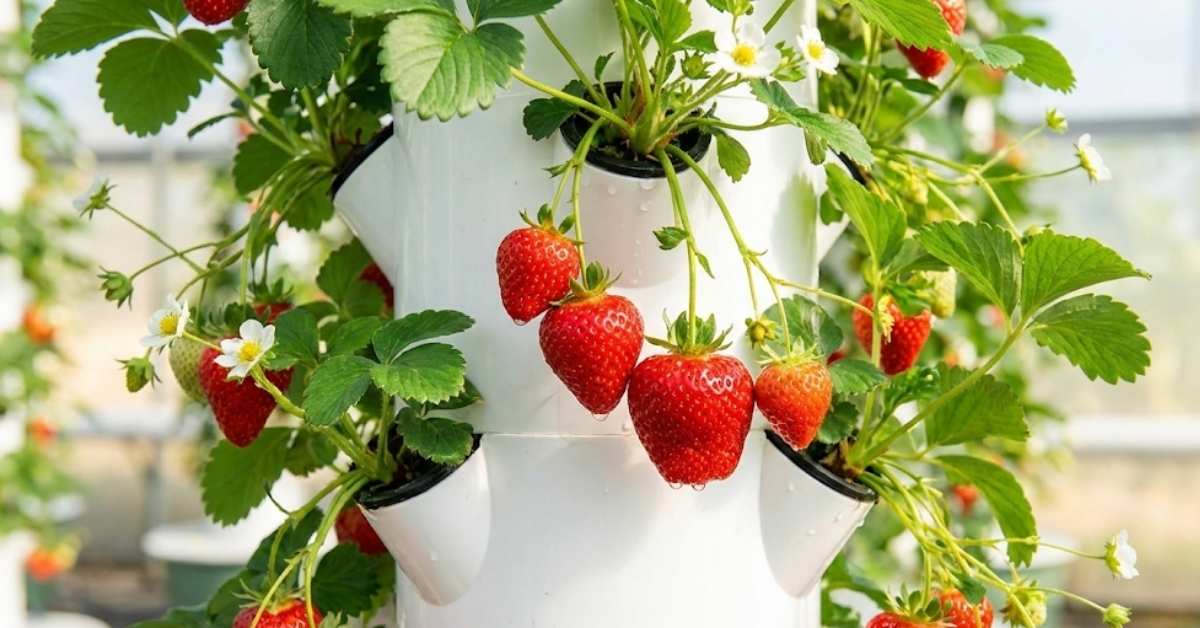
Strawberry plants love towers. In soil, the berries touch the dirt and rot. In a tower, they hang in the air. They stay clean, red, and sweet. Plus, they look beautiful hanging down the sides.
3. Herbs
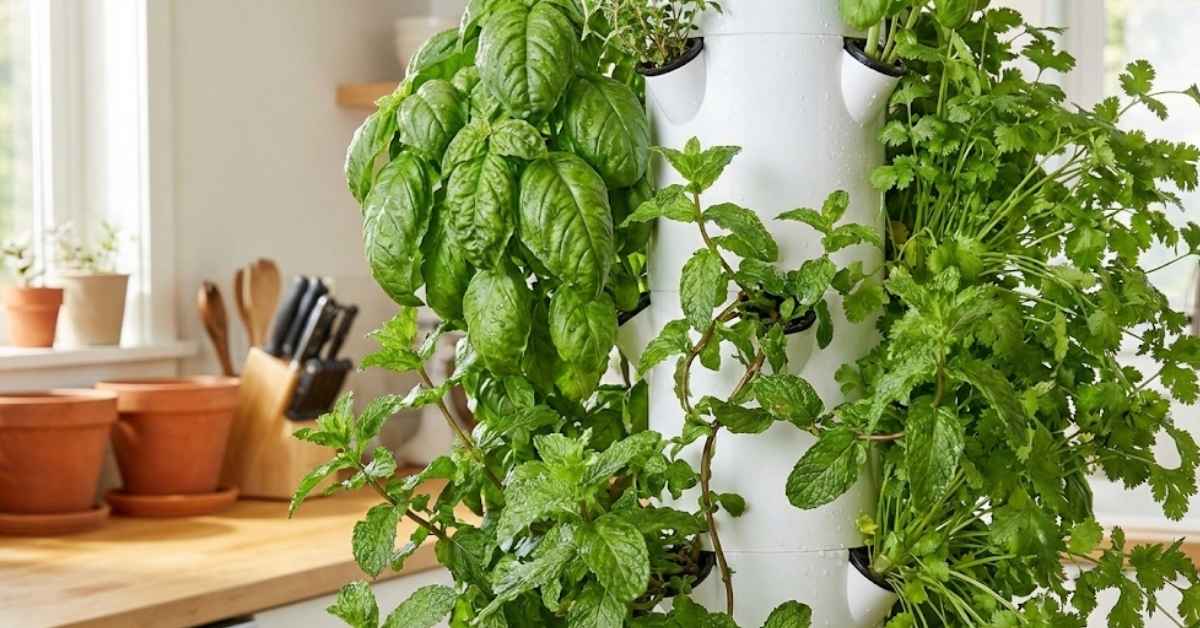
Basil, Mint, Dill, and Parsley. Warning: Mint is a monster. Its roots will take over the whole reservoir if you don’t trim them. But having fresh basil for pesto every week is a game-changer.
4. Small Peppers and Tomatoes
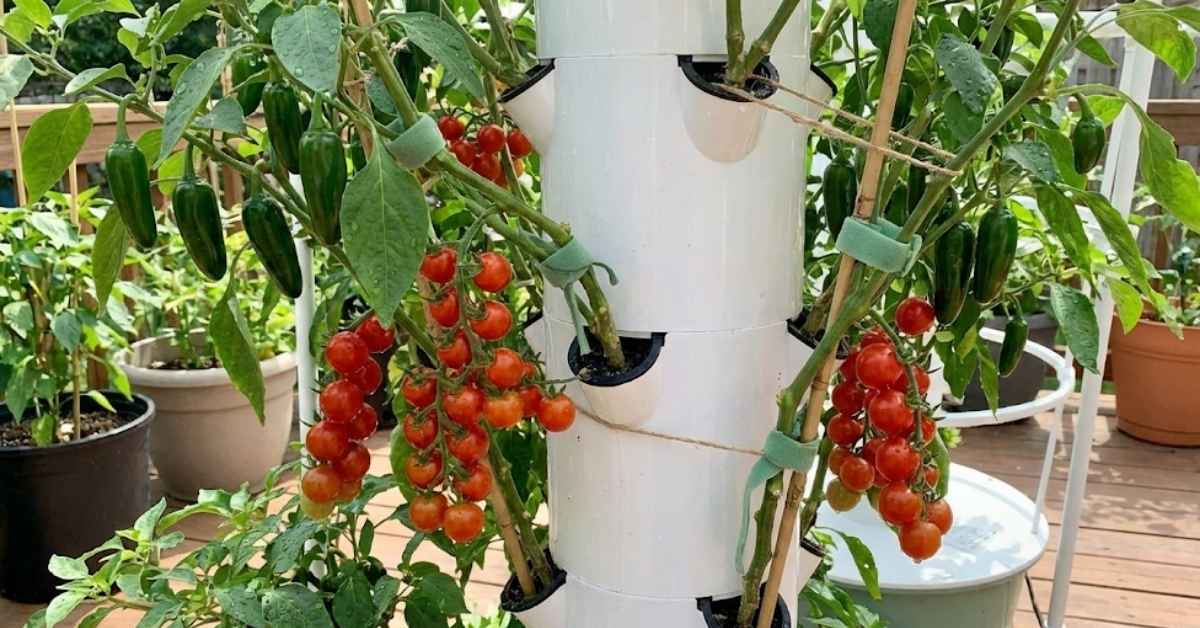
You can do “determinate” (bush) varieties of cherry tomatoes or jalapeños. You just need to make sure you have a support cage or some way to tie them up so they don’t pull the tower down.
Chapter 5: Maintenance & Troubleshooting, Keeping the Gunk Away
If you think you can just plug it in and walk away for a month, you’re in for a surprise.
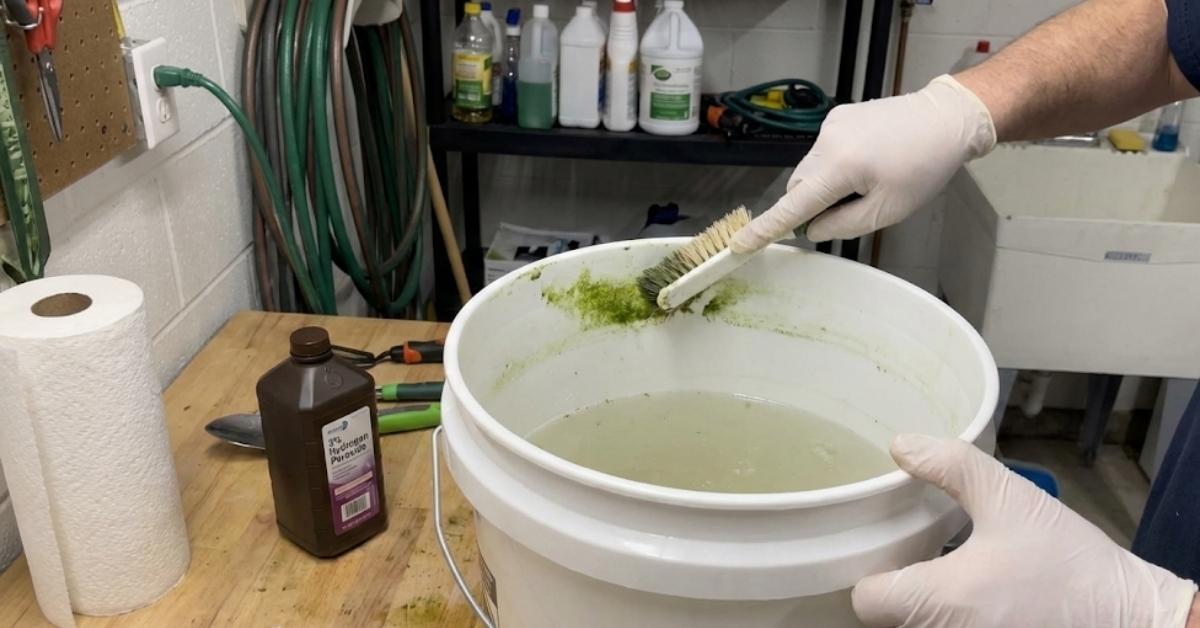
The Algae and Moss Control
This is the big one. Because you have water and nutrients sitting in the sun, algae (and sometimes moss) will try to grow. It’s green, it’s slimy, and it’s a pain.
- The Fix: Block the light. Use opaque buckets. If light can’t get to the water, algae can’t grow. If you get a breakout, you can use a tiny bit of food-grade hydrogen peroxide to clean it out without killing your plants. You might know a trick for getting rid of lawn moss using 60ml of dish soap in 4.5 liters of water, but keep that for the grass! For your tower’s delicate root system, stick to peroxide and light-blocking techniques.
Pump Failures
Pumps are the heart of the system. If they stop, your plants die in hours because there’s no soil to hold moisture. Check your pump every week. Clean the filter. Roots love to grow into the intake and clog it up.
pH and EC Levels
Water isn’t just water. You need to check the pH. Most plants like it slightly acidic (5.5 to 6.5). If it’s off, the plants can’t absorb the nutrients you’re paying for. EC (Electrical Conductivity) tells you how “strong” your nutrient mix is. Don’t guess. Buy a $15 meter on Amazon.
Chapter 6: Seasonal Guide—Indoor vs. Outdoor Setup
A hydroponic tower is a year-round tool if you play your cards right.
Outdoor Summer Success
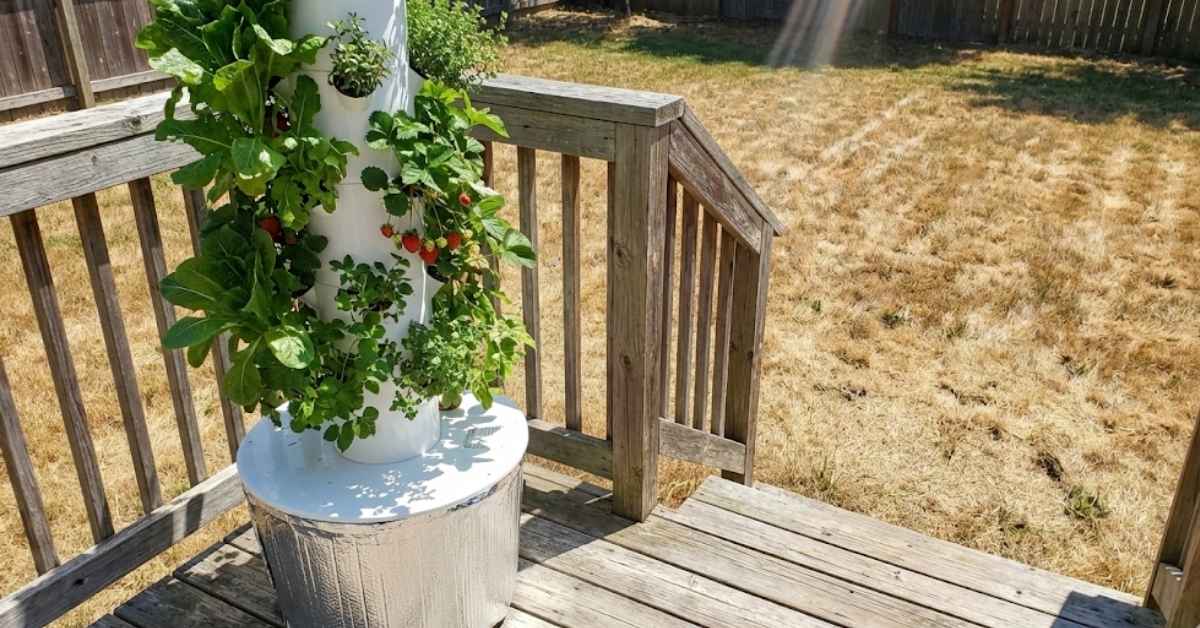
In the heat of July, your water reservoir can get too hot. Hot water doesn’t hold oxygen well. This leads to root rot. You might need to paint your reservoir white to reflect heat or even drop frozen water bottles into the tank during a heatwave.
Indoor Winter Growing

When the frost hits, bring the tower inside. You’ll need grow lights. Don’t buy the cheap “purple” lights—they’re terrible for your eyes and your plants. Get full-spectrum white LEDs. You can grow fresh herbs in your kitchen while there’s two feet of snow outside.
The Cost and Practicality: Is it Worth It?
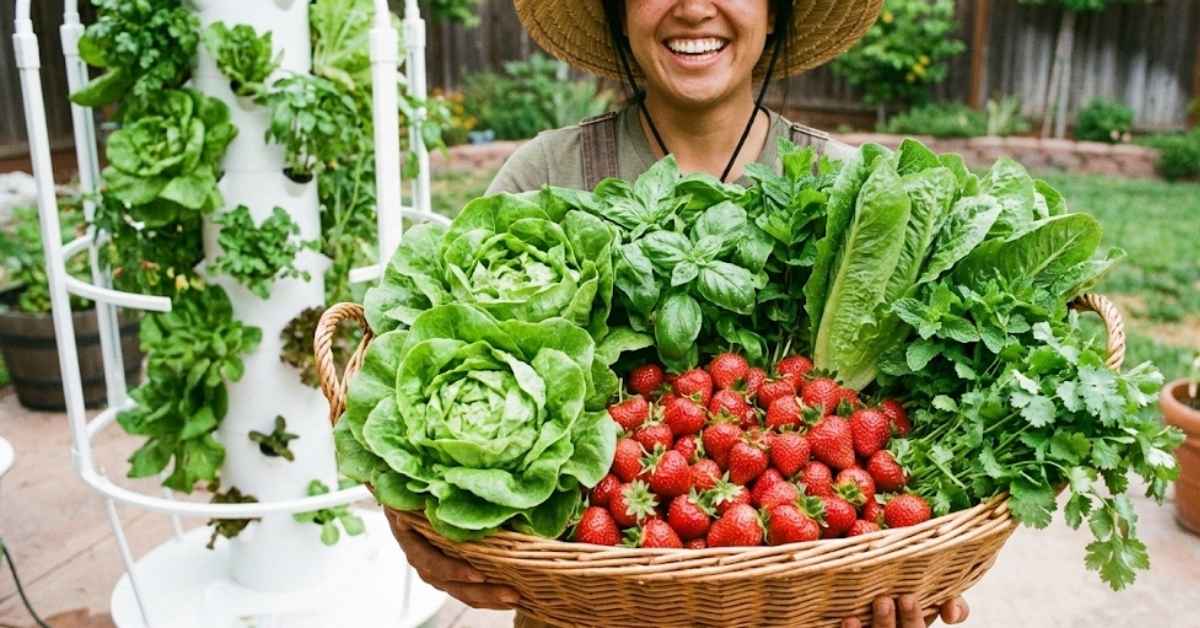
Let’s do the math. A bag of organic spring mix is $5 at the store. If you eat two a week, that’s $40 a month. A vertical hydroponic system can produce that much lettuce for about $2 in electricity and nutrients. Even if you buy a $600 system, it pays for itself in less than two years. If you build a DIY one, it pays for itself in two months. Beyond the money, the taste is incomparable. Grocery store lettuce is bred for shipping, not flavor. Your tower lettuce is bred for eating.
Expert Backing
Research from the University of Arizona’s Controlled Environment Agriculture Center (CEAC) shows that vertical systems can reduce water usage by up to 95% compared to open-field farming. This isn’t just a hobby; it’s the most efficient way to grow food on a warming planet. You can check out more stats on USDA.gov regarding urban agriculture trends.
Quick Answers (Because I Know You’ll Ask)
How does a hydroponic tower work? It’s a vertical tube where a pump sends water to the top and lets it rain down on roots hanging in the air. No soil needed.
Is a hydroponic tower worth it? If you have a small space and want high yields, yes. It’s the most efficient use of a patio or balcony.
What can you grow in a vertical system? Leafy greens, herbs, strawberries, and small peppers are the champions. Avoid heavy melons or deep root vegetables like carrots.
Conclusion: Time to Stop Digging
The world is changing. We don’t have the time or the space we used to. But we still need real food. The hydroponic tower is the bridge between our busy lives and our need for nature. Stop breaking your back over a patch of dirt that won’t give you what you need. Go vertical. Build a tower. Grow your own.
For more tips on keeping your yard (and your tower) in top shape, check out our News Category.