The Secret Snack That’ll Have Bluebirds Fighting For A Spot In Your Yard
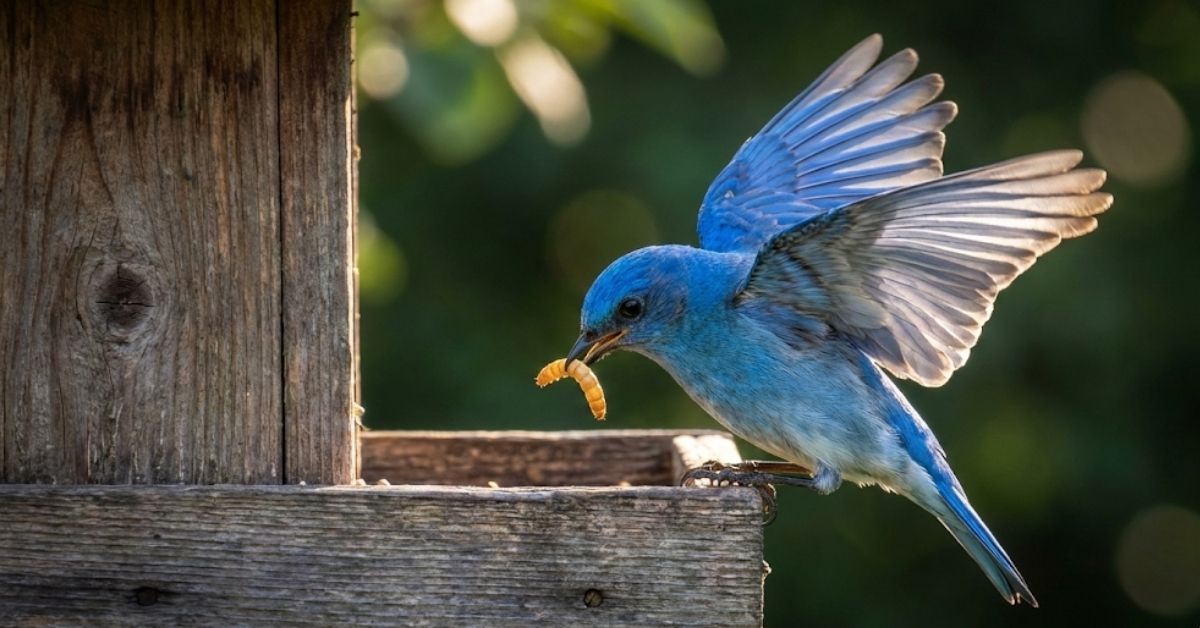
Look, I’ve spent more years than I care to admit staring out my back window at empty birdhouses. It’s frustrating. You buy the fancy cedar boxes. You put them in the perfect spot. And then? Nothing. Or worse, a gang of house sparrows moves in and starts a riot. But I finally figured it out. If you want those bright blue flashes of joy in your garden, you have to stop thinking about housing and start thinking about the menu. Specifically, you need to master attracting bluebirds to mealworms.
Stop Feeding Them Junk Seed
Most folks make the same mistake. They buy a 20-pound bag of “wild bird mix” at the big-box store. It’s mostly millet and filler that bluebirds won’t touch. Bluebirds aren’t seed eaters. They’re insectivores. That means they want protein. They want something that wiggles. In the wild, they’re hunting beetles and caterpillars in your grass. But in the winter or early spring, the cupboards are bare. That’s where you come in with the good stuff: mealworms.
The Great Debate: Live vs Dried Mealworms for Birds
Now, you’re going to see two options at the store. One is a bag of crunchy, dried-out worms. The other is a tub of squirming, living larvae. If you ask the birds, they’ll pick the live ones every single time. Why? Because they move. Movement catches a bluebird’s eye from fifty feet away. It’s like a neon “EAT HERE” sign.
But I get it. Not everyone wants a tub of bugs in their fridge. When comparing live vs dried mealworms for birds, the dried ones are definitely easier on the wallet and the stomach. The problem is bluebirds might not recognize them as food at first. They look like bits of wood. If you’re starting fresh, go with live worms. Once you’ve got a regular crew visiting, you can try sneaking in the dried ones. It’s a bait-and-switch that actually works.
Buying The Best Mealworm Feeder for Bluebirds
Don’t just throw these worms on the ground. You might as well be ringing a dinner bell for every neighborhood cat and robin. You need the best mealworm feeder for bluebirds. I prefer the ones with a clear plastic roof and a tray. It keeps the rain off the worms. Nobody likes soggy larvae.
Even better? Get a feeder with “caged” sides or small entrance holes. Bluebirds are polite. Starlings and Grackles are thugs. A feeder with 1.5-inch holes lets the bluebirds in but keeps the big, hungry bullies out. It saves you money because you aren’t feeding the entire zip code’s worth of blackbirds. You can find some solid advice on choosing gear at fitforyard.com.
How to Train Bluebirds to Eat From a Feeder
You can’t just hang a feeder and expect a parade. These birds are suspicious. You have to be smarter than them, which shouldn’t be hard. The trick is consistency. Start by putting a small dish of live mealworms on top of your birdhouse or on a fence post where they already sit.
Once they realize, “Hey, this guy is giving out free steaks,” you move the dish closer to the permanent feeder. Eventually, you put the worms inside the feeder. This is how to train bluebirds to eat from a feeder without losing your mind. Give it a week. They’ll be waiting for you on the porch like you’re the morning mailman.
The Real Cost of Being a Bluebird Host
Is it cheap? No. Mealworms can get pricey if you have a big family of birds. But is it worth it? Absolutely. There’s nothing like seeing a male bluebird grab a beakful of worms to take back to his babies. It’s better than cable TV. According to the Virginia Bluebird Society, supplemental feeding can actually improve the survival rates of fledglings during those nasty, cold spring rains when bugs are hard to find.
Don’t Forget the Water
While you’re busy obsessing over the worms, don’t forget they need a drink too. A simple birdbath can be the clincher. I’ve noticed they often ignore my feeders until they see the water. If you’re curious about why your feathered friends are acting weird, check out this post on Why birds ignore feeder until snow. It’ll explain a lot.
Safety First, Garden Second
I’ve said it before and I’ll say it again: stop spraying your lawn with chemicals. If you’re trying to attract insect-eating birds while simultaneously poisoning every bug in your yard, you’re doing it wrong. Plus, those chemicals aren’t great for the birds either. If you’ve got a moss problem, don’t reach for the heavy-duty poison. There are better ways. Read about how Gardeners are urged to pour washing up liquid on their lawns in November for a safer alternative.
Expert Backing for Skeptics
If you think I’m just a grumpy guy with a bird obsession, listen to the scientists. Experts at Kansas State University point out that bluebirds hunt by scanning the ground from a perch. By placing your mealworm feeder near a fence or a low branch, you’re playing right into their natural instincts. It’s not rocket science; it’s biology.
Quick Answers (Because I Know You’ll Ask)
Where is the best place to put a bluebird mealworm feeder? Put it in the open. Bluebirds don’t like deep shade or thick brush where cats can hide. Find a spot about 15-20 feet away from a tree or a fence so they have a place to “scout” the feeder before they dive in.
Can bluebirds eat dried mealworms? Yes, but they’re picky. If you use dried ones, soak them in a little bit of water or apple juice first. It plumps them up and makes them look less like cardboard.
Do bluebirds need mealworms in the winter? They don’t need them, but they sure appreciate them. In the winter, bluebirds switch to eating berries. A dose of high-protein mealworms during a cold snap can literally be a lifesaver.
Look, gardening isn’t just about pulling weeds and mowing the grass. It’s about creating a space that feels alive. Getting those bluebirds to trust you is a badge of honor. Start with the worms, be patient, and stop overthinking it. For more updates on what’s happening in the yard world, keep an eye on our News section.
Now, get off the computer and go put some worms out. Those birds aren’t going to feed themselves.