Hear Scratching? How to Stop Mice and Rats From Entering Walls (For Good)
It starts at 2 AM.
Scritch. Scratch. Scritch.
You freeze in bed. You stare at the ceiling. Is it a ghost? No. It’s worse. It’s a mouse. Or maybe a rat. And they are throwing a party inside your drywall.
Welcome to Fit For Yard. If you are reading this, you are probably tired of losing sleep. I don’t blame you. Having rodents in your walls isn’t just gross; it’s a fire hazard. They chew wires. They ruin insulation.
And frankly, they don’t pay rent.
So, let’s kick them out. Here is how to stop mice and rats from entering walls without calling an expensive guy in a van.
The “Dime” Rule (Read This First)
Here is the biggest mistake people make. They look for big holes.
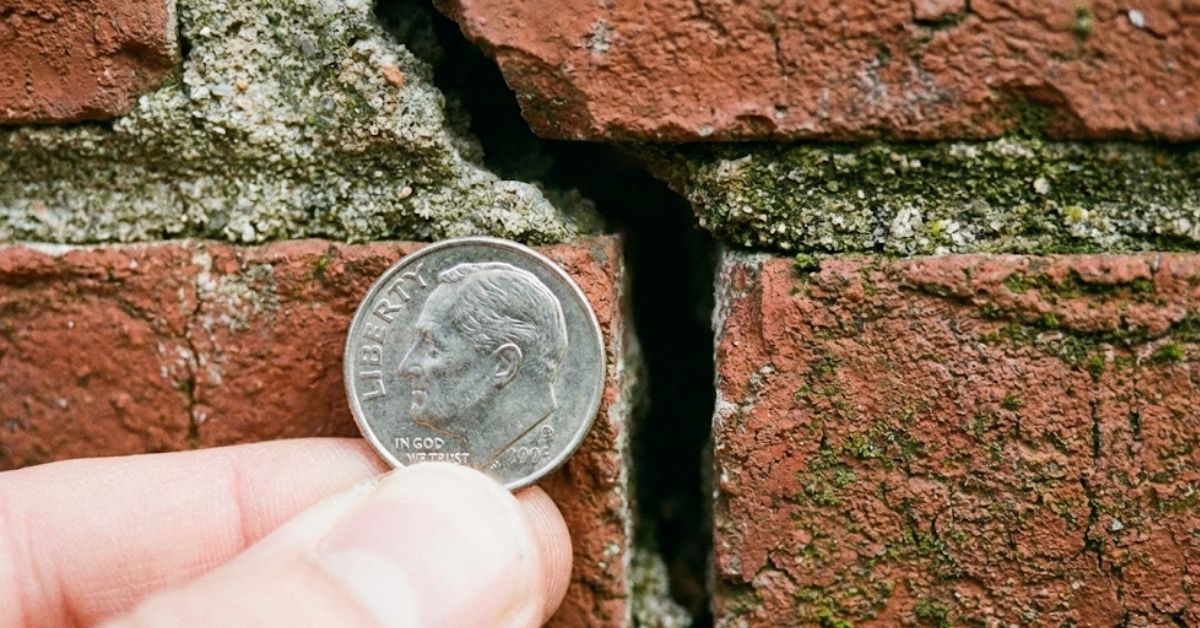
They look for rat-sized tunnels. But a mouse doesn’t need a door. It barely needs a crack.
According to the University of Kentucky College of Agriculture, a mouse can squeeze its skull through an opening the size of a dime (1/4 inch). A rat? A quarter (1/2 inch).
If you can fit a pencil into a crack in your siding, foundation, or eaves, a mouse can get in. They have collapsible skeletons. Basically, they are fuzzy liquids. So when you go outside to inspect your house, stop looking for caverns. Look for gaps.
Stop Using Spray Foam (It’s Candy to Them)
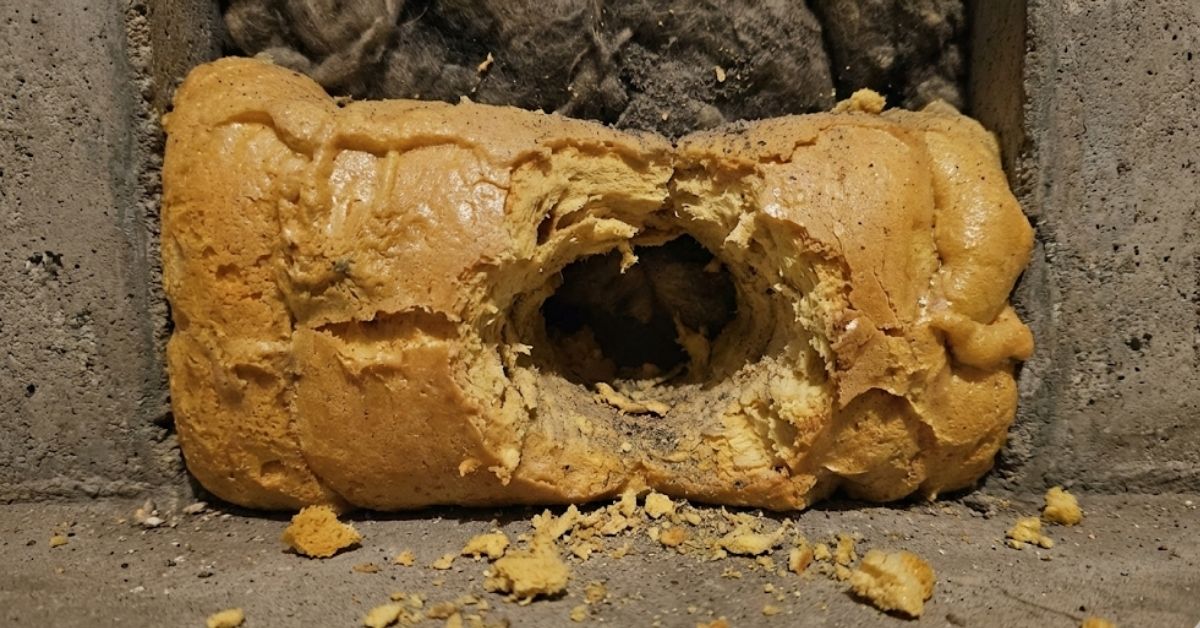
I see this all the time. You find a hole. You grab that can of orange spray foam from the garage. You fill the hole. You feel accomplished.
Two days later? The foam is gone.
Mice love spray foam. They chew right through it. It’s like styrofoam to them. It does nothing to stop mice and rats from entering walls.
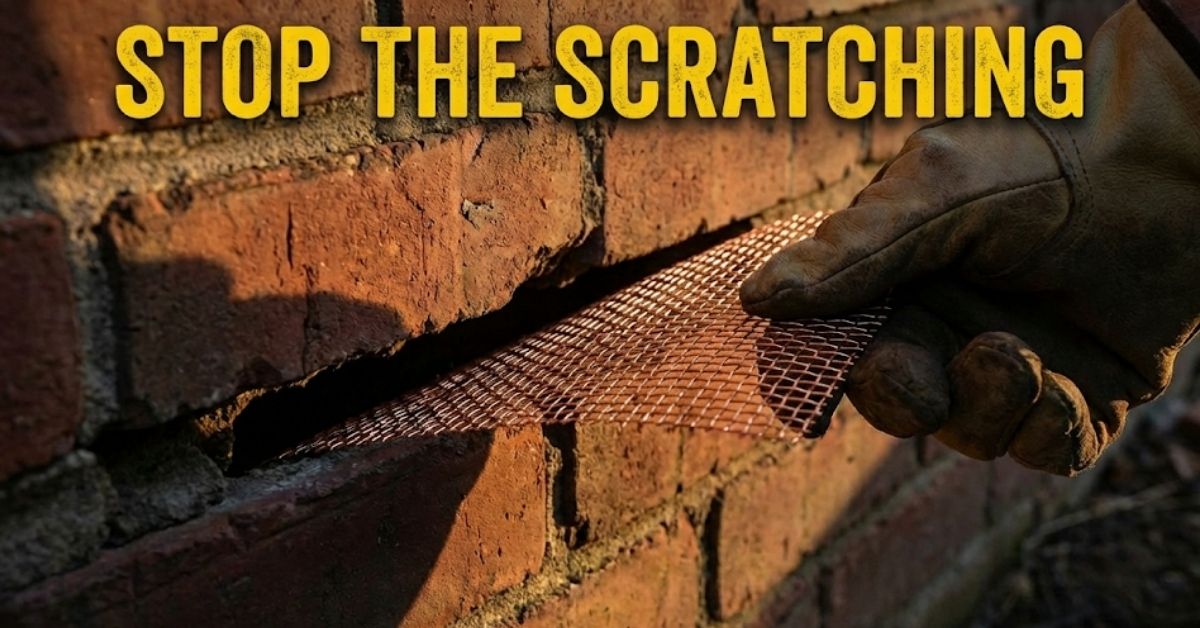
You need steel wool. But not the cleaning kind that rusts. You need copper mesh or stainless steel wool. Stuff that hole tight with the metal mesh first. Then you can spray foam over it to seal the air leak. The foam stops the draft; the steel shreds their teeth if they try to chew back in.
Check the “Highways” (Pipes and Vents)
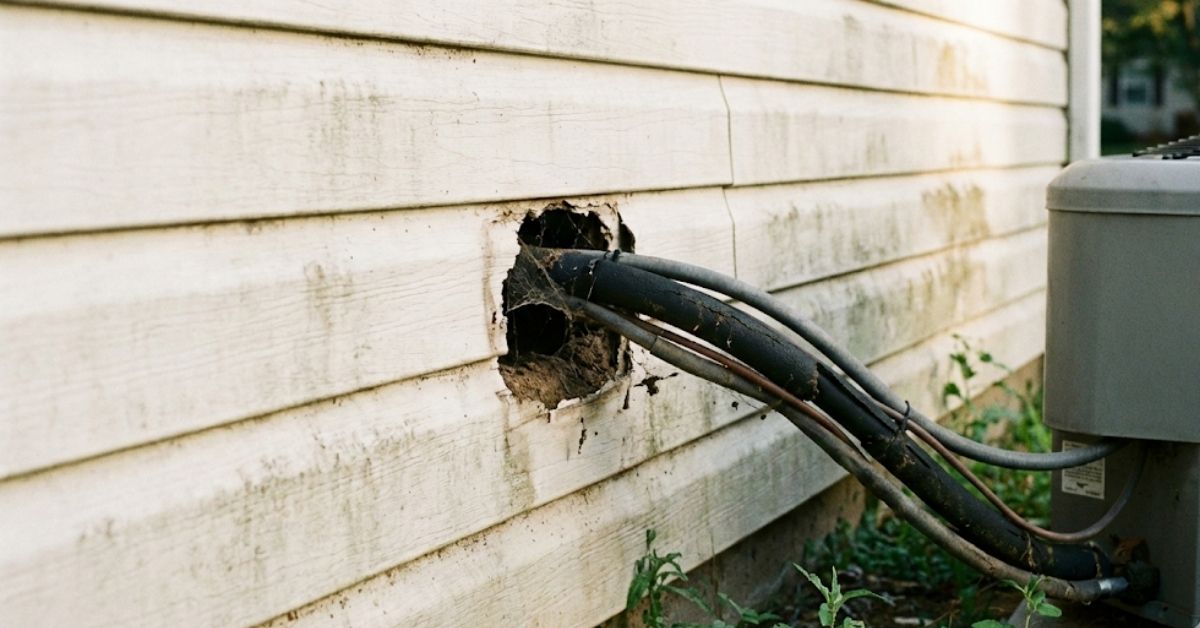
Rodents are commuters. They use your utility lines like a freeway.
Go outside. Look at where your AC unit pipes enter the house. Look at the dryer vent. Look at the gas line.
Is there a gap? Is the rubber seal rotted?
That is their front door. You need to seal these entry points with exterior-grade caulk or metal escutcheon plates.
And while you are checking for pests, make sure you aren’t ignoring other threats. We’ve seen a rise in all sorts of yard invaders lately. Check out URGENT ALERT: That Tiny Bug Is The New Armyworm Threat, Experts Warn to keep your exterior safe, too.
The “Leave the Leaves” Trap
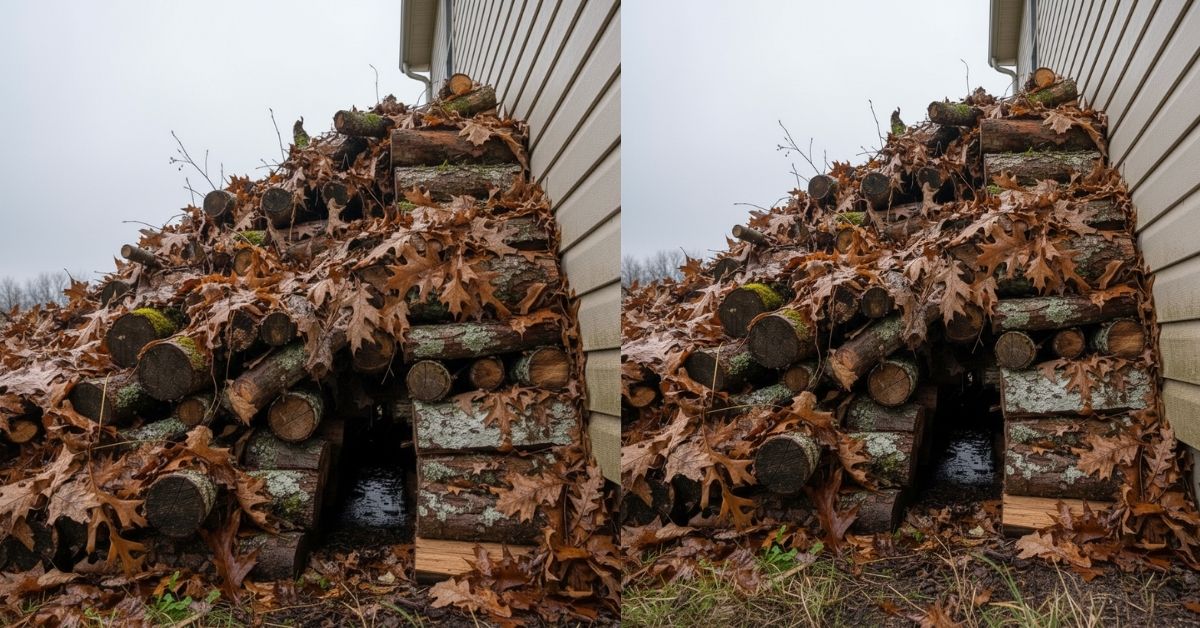
I love a natural yard. But if you have a pile of firewood or a stack of wet leaves pushed right up against your foundation, you are asking for trouble.
This is what we call a “ladder.”
It gives rodents cover to sit next to your house, feel safe, and chew a hole in your siding. The CDC (Centers for Disease Control) explicitly advises keeping brush, woodpiles, and compost bins at least 100 feet away from your home to prevent diseases like Hantavirus.
Move the woodpile. Rake the leaves back a few feet from the foundation. Create a “no-man’s-land” between your garden and your walls.
But What About Smells?
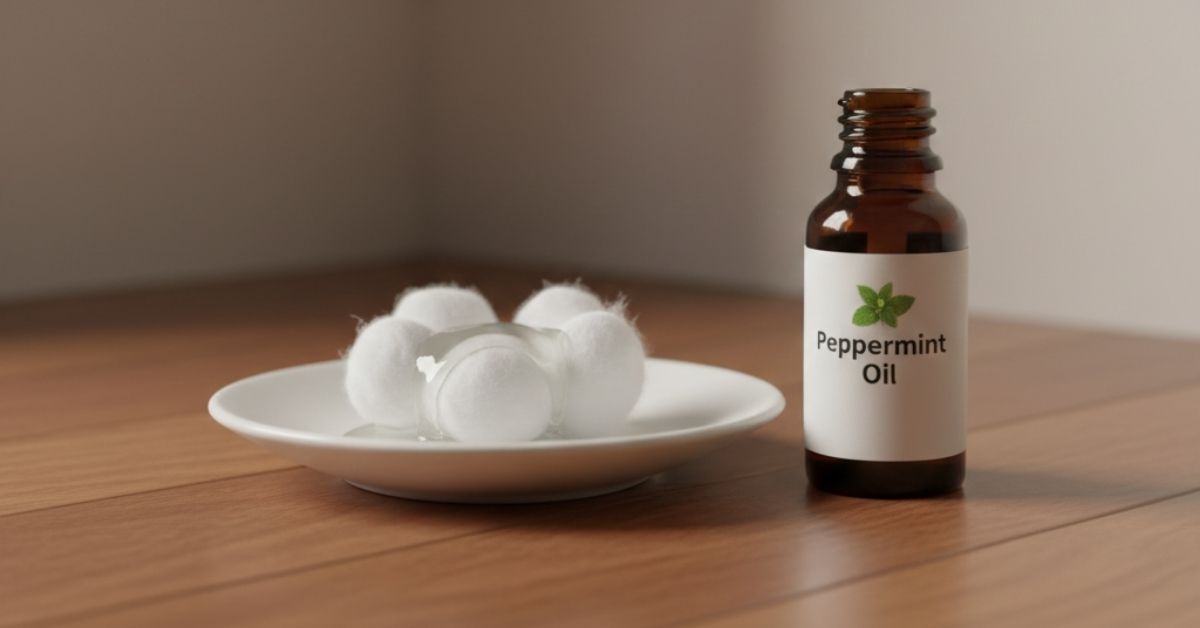
Okay, exclusion (sealing holes) is the only 100% cure. But can you repel them?
Some people swear by peppermint oil. It’s strong. It burns their sensitive noses. It’s not a permanent fix, but it can help discourage them from specific areas.
If you want a natural approach to keep them away from your foundation, we actually covered a great DIY solution recently. Read Skip The Sprays! The 2-Ingredient Kitchen Fix That Repels Rats Instantly. It’s worth a shot as a first line of defense.
Quick Answers (Because I Know You’ll Ask)
Can mice chew through spray foam insulation? Yes. Easily. Never use foam alone. Always back it with steel wool or hardware cloth (metal mesh).
How do I know if mice are in my walls? Scratching sounds at night (they are nocturnal). Also, look for droppings near baseboards or a smell of ammonia (urine).
What scent keeps mice away permanently? Nothing works permanently except sealing the holes. Peppermint and ammonia help, but a hungry mouse will ignore the smell eventually.
Bottom Line
Stop waiting.
Those scratching sounds won’t go away when the weather warms up. The mice will just have babies in your attic.
Grab a flashlight. Grab some steel wool. Go outside and seal up your house today. It takes an hour, and it saves you thousands in damage.
For more updates on keeping your home and garden running smooth, check out our News section.